Microbioreactor Design for Eukaryotic Cell-Based Biomedical Applications
July 2026
in “
Frontiers in Bioengineering and Biotechnology
”
eukaryotic cell-based biomedicine microbioreactor cell therapies protein production organoid engineering microfluidics T-cell manufacturing perfusion-based microbioreactors oxygenation tissue morphogenesis extracellular matrix remodeling developmental signaling automation therapeutic pipelines personalized medicine
TLDR Microbioreactors improve cell-based therapies and personalized medicine but face scalability challenges.
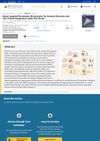
This mini-review discusses the shift in eukaryotic cell-based biomedicine from static cultures to controlled microbioreactor environments, highlighting applications such as cell therapies, protein production, and organoid engineering. Microfluidics integration in T-cell manufacturing optimizes cell count and distribution, while perfusion-based microbioreactors increase productivity six-fold compared to traditional methods. These systems regulate oxygenation and tissue morphogenesis, influencing extracellular matrix remodeling and developmental signaling. Automation improves reproducibility and reduces reagent use, though scalability and material selection challenges persist. Overall, these advancements enhance therapeutic pipelines, support ethical drug screening, and promote personalized medicine.