5 citations
,
July 2024 in “Pediatric Dermatology” Dupilumab effectively reduces alopecia areata symptoms in children with atopic dermatitis.
2 citations
,
July 2024 in “Indian Journal of Dermatology Venereology and Leprology” Children with atopic diseases have a higher risk of developing alopecia areata.
2 citations
,
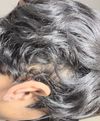
February 2024 in “Journal of the European Academy of Dermatology and Venereology” Diffuse alopecia areata in children has unique features and needs specific treatment.
5 citations
,
September 2023 in “Archives of Dermatological Research” Hair loss in children with alopecia areata is more common in winter and linked to climate factors like air pressure and sunlight.
75 citations
,
March 2023 in “JAMA Dermatology” Alopecia areata and its severe forms are becoming more common, especially among females, adults, and people in the Northeast.
 January 2023 in “Journal of Cosmetic Dermatology”
 Some children may develop hair loss after having COVID-19.
10 citations
,
January 2023 in “Skin Appendage Disorders” Alopecia areata is an autoimmune hair loss condition linked to genetic factors.
 1 citations
,
January 2023 in “IDCases”
1 citations
,
January 2023 in “IDCases” A patient experienced severe hair loss after getting an mRNA COVID-19 vaccine.
 3 citations
,
January 2023 in “Skin appendage disorders”
3 citations
,
January 2023 in “Skin appendage disorders” Some people with a history of autoimmune hair loss experienced worsening symptoms after COVID-19 vaccination.
 4 citations
,
November 2022 in “Frontiers in Medicine”
4 citations
,
November 2022 in “Frontiers in Medicine” People with alopecia areata are more likely to have anxiety and depression and a lower quality of life.
 5 citations
,
October 2021 in “Scientific Reports”
5 citations
,
October 2021 in “Scientific Reports” Climate factors like UV index and rain can affect alopecia areata flares in children, especially those with allergies.
1 citations
,
January 2021 in “Skin appendage disorders” Alopecia areata in children is usually mild and effectively treated with strong topical steroids.
 23 citations
,
September 2019 in “Dermatology practical & conceptual”
23 citations
,
September 2019 in “Dermatology practical & conceptual” The study concluded that AAI and DAA are forms of the same disease, with different symptoms in men and women, and that corticosteroid treatment is effective.
11 citations
,
July 2019 in “Pediatric dermatology” Children with alopecia areata have different trichoscopic features than adults, including more empty follicular openings and pigtail hairs.
35 citations
,
October 2017 in “JAMA dermatology” Children with alopecia areata should only have thyroid screening if they have Down syndrome, a history of atopy, family history of thyroid disease, or signs of thyroid problems.
 February 2017 in “International Journal of Research in Dermatology”
 A six-year-old girl unusually had a hair loss condition common in middle-aged women.