Prognostic Factors in Mexican Patients with Patchy and Other Types of Alopecia Areata
January 2020
in “
Skin appendage disorders
”
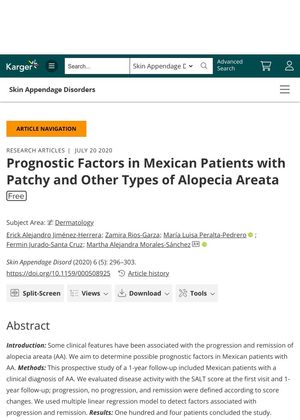
TLDR Early onset, severe types, nail changes, family history, and body hair loss worsen alopecia areata prognosis; sticking to treatment helps.
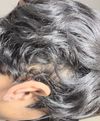
In 2020, a study involving 150 Mexican patients with alopecia areata (AA) identified several prognostic factors affecting the disease's progression. The study found that an early age of onset, the presence of alopecia totalis or universalis, nail changes, and a family history of alopecia areata were associated with a poorer prognosis. Body hair involvement was also linked to poor prognosis and disease progression. Treatment adherence was identified as a modifiable factor associated with the course of AA, with good adherence showing a negative correlation with disease progression. The study concluded that body hair involvement and adherence to treatment are significant factors in the progression and remission of AA.