4 citations
,
May 2022 in “Genes & Diseases”  13 citations
,
August 2020 in “Frontiers in Cell and Developmental Biology”
13 citations
,
August 2020 in “Frontiers in Cell and Developmental Biology” Twist1 helps maintain important features of cells crucial for hair growth by working with Tcf4 and β-catenin.
 35 citations
,
February 2019 in “Cell Communication and Signaling”
35 citations
,
February 2019 in “Cell Communication and Signaling” BMP6 and Wnt10b control whether hair follicles are resting or growing.
 56 citations
,
May 2017 in “Nature Cell Biology”
56 citations
,
May 2017 in “Nature Cell Biology” Hair can regrow after certain stem cells are lost because other stem cells can take over their role.
214 citations
,
April 2017 in “Cell” Different small areas within hair follicles send specific signals that control what type of cells stem cells become.
 30 citations
,
February 2017 in “Histochemistry and Cell Biology”
30 citations
,
February 2017 in “Histochemistry and Cell Biology” TPA promotes hair growth by increasing stem cell activity and activating specific cell signals.
 29 citations
,
January 2017 in “Journal of Investigative Dermatology”
29 citations
,
January 2017 in “Journal of Investigative Dermatology” The Msi2 protein helps keep hair follicle stem cells inactive, controlling hair growth and regeneration.
142 citations
,
February 2016 in “Science” Foxc1 helps keep hair follicle stem cells inactive, preventing hair loss.
33 citations
,
March 2015 in “Experimental Dermatology” LHX2 and SOX9 identify unique hair follicle cell groups, crucial for hair maintenance.
18 citations
,
October 2014 in “In vitro cellular & developmental biology. Animal” Hair follicle stem cells can become neural cells using different methods, with varying efficiency.
 426 citations
,
August 2014 in “Nature Medicine”
426 citations
,
August 2014 in “Nature Medicine” Skin stem cells interacting with their environment is crucial for maintaining and regenerating skin and hair, and understanding this can help develop new treatments for skin and hair disorders.
 173 citations
,
January 2014 in “Nature Cell Biology”
173 citations
,
January 2014 in “Nature Cell Biology” Wnt signaling controls whether hair follicle stem cells stay inactive or regenerate hair.
 170 citations
,
July 2012 in “Journal of Investigative Dermatology”
170 citations
,
July 2012 in “Journal of Investigative Dermatology” Wnt ligands are crucial for hair growth and repair.
 396 citations
,
May 2011 in “Cell stem cell”
396 citations
,
May 2011 in “Cell stem cell” Nerve signals are crucial for hair follicle stem cells to become skin stem cells and help in wound healing.
 20 citations
,
December 2010 in “JEADV. Journal of the European Academy of Dermatology and Venereology/Journal of the European Academy of Dermatology and Venereology”
20 citations
,
December 2010 in “JEADV. Journal of the European Academy of Dermatology and Venereology/Journal of the European Academy of Dermatology and Venereology” Decreased CD200 in hair follicles may cause immune issues in some alopecia areata cases.
 1039 citations
,
February 2009 in “Nature Reviews Molecular Cell Biology”
1039 citations
,
February 2009 in “Nature Reviews Molecular Cell Biology” Skin stem cells are crucial for maintaining and repairing the skin and hair, using a complex mix of signals to do so.
 835 citations
,
October 2008 in “Nature Genetics”
835 citations
,
October 2008 in “Nature Genetics” Lgr5 is a marker for active, long-lasting stem cells in mouse hair follicles.
415 citations
,
January 2008 in “Cell” NFATc1 controls hair stem cell activity, affecting hair growth and could be a target for hair loss treatments.
46 citations
,
August 2006 in “Mechanisms of Development” Runx1 is crucial for proper hair structure and development.
 375 citations
,
February 2006 in “Journal of Cell Science”
375 citations
,
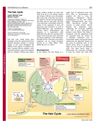
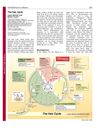
February 2006 in “Journal of Cell Science” The document concludes that the hair cycle is a complex process involving growth, regression, and rest phases, regulated by various molecular signals.
 103 citations
,
January 2006 in “Journal of Cell Science”
103 citations
,
January 2006 in “Journal of Cell Science” The document concludes that the hair cycle is a complex process involving growth, regression, and rest phases, regulated by various molecular signals.
550 citations
,
December 2005 in “The Journal of clinical investigation/The journal of clinical investigation” Researchers successfully isolated and identified key markers of stem cell-enriched human hair follicle bulge cells.
82 citations
,
May 2004 in “British Journal of Dermatology” Stem cells are present in plucked hair follicles and can be maintained in culture.
387 citations
,
November 2003 in “Journal of Investigative Dermatology” The K15 promoter effectively targets stem cells in the hair follicle bulge.
561 citations
,
April 2003 in “Journal of Investigative Dermatology” CD34 is a marker for isolating stem-like cells in mouse hair follicles.