TLDR Ayurvedic plants may help treat PCOD by affecting hormones and ovarian health.
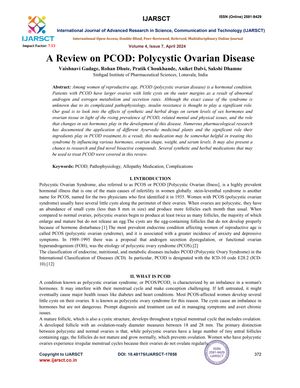
Polycystic ovarian disease (PCOD) is a hormonal condition affecting women of reproductive age, characterized by larger ovaries with cysts due to abnormal androgen and estrogen metabolism. Insulin resistance is believed to significantly contribute to its pathophysiology. This review explores the impact of synthetic and herbal drugs on sex hormone levels and ovarian tissue, highlighting the potential of Ayurvedic medicinal plants in PCOD treatment. These medications may help manage the syndrome by affecting hormones, ovarian shape, weight, and serum levels, and offer opportunities to discover new bioactive compounds. The review discusses various synthetic and herbal treatments for PCOD.

1 citations
,
November 2023 PCOD mainly affects young women, causing symptoms like irregular periods and weight gain, with mixed success from lifestyle changes and medication.
4 citations
,
September 2018 in “Journal of Drug Delivery and Therapeutics” PCOS is a common hormonal disorder in women linked to several health risks and can be managed through various treatments.
81 citations
,
May 2007 in “Fertility and Sterility” Testosterone therapy seems safe for postmenopausal women for a few years, but more research is needed for long-term effects.
2 citations
,
April 2023 in “Pharmaceuticals” Testosterone therapy for postmenopausal women appears safe and may protect against heart disease, but requires constant monitoring and more research for long-term effects.
49 citations
,
February 2009 in “Maturitas” Short-term testosterone therapy in women seems safe with few mild side effects, but long-term effects need more research.
20 citations
,
December 1994 in “Fertility and sterility” Flutamide combined with a low-dose birth control pill effectively reduces excessive hair growth in women with polycystic ovarian disease.
50 citations
,
March 2001 in “Clinics in Dermatology” Genes and hormones cause hair loss, with four genes contributing equally.