TLDR No strong genetic link between hair color and alopecia areata was found.
This study investigated the potential shared genetic basis between hair colour and alopecia areata (AA) by analyzing data from a genome-wide association study (GWAS) of 16,310 Caucasians and a GWAS of hair colour involving 343,234 UK Biobank participants. The analysis found no strong genetic correlation between hair colour and AA. However, there was a suggestive weak inverse association between genetically predicted blond hair and AA risk. Due to the modest sample size of the AA-GWAS (~4,100 cases), these findings are considered exploratory and require replication in larger, independent cohorts.
 July 2024 in “Dermatology and Therapy”
 Darker hair colors may increase the risk of alopecia areata, while lighter hair colors may decrease it.
 11 citations
,
June 2022 in “Frontiers in immunology”
11 citations
,
June 2022 in “Frontiers in immunology” New protein changes may be involved in the immune attack on hair follicles in alopecia areata.
 13 citations
,
January 2014 in “Postępy Dermatologii i Alergologii”
13 citations
,
January 2014 in “Postępy Dermatologii i Alergologii” Patchy alopecia areata can affect only pigmented hairs, leaving gray hairs untouched.
717 citations
,
June 2010 in “Nature” Alopecia areata involves both innate and adaptive immunity, with specific genes linked to the disease.
 11 citations
,
July 2008 in “International Journal of Dermatology”
11 citations
,
July 2008 in “International Journal of Dermatology” Greying hairs may be protected from alopecia areata.
21 citations
,
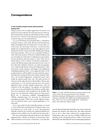
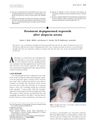
October 2007 in “Australasian Journal of Dermatology” A woman with hair loss regrew white hair after taking prednisolone.
 23 citations
,
April 2002 in “Journal of the American Academy of Dermatology”
23 citations
,
April 2002 in “Journal of the American Academy of Dermatology” Depigmented hair regrowth after alopecia areata can be permanent.