TLDR Temporal triangular alopecia may be linked to sebaceous nevus and shows a new pinkish background feature.
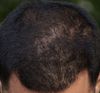
The article discussed temporal triangular alopecia (TTA), a permanent, non-scarring type of alopecia typically found in the frontotemporal region, which could occur on one or both sides of the head. While various associations with TTA had been documented, its connection with sebaceous nevus had not been previously reported. The study aimed to highlight a potential link between TTA and sebaceous nevus and introduced a pinkish background as a new trichoscopic finding of TTA, alongside previously known trichoscopic features.

2 citations
,
June 2020 in “Türkderm Türk deri hastalıkları ve frengi arşivi” Yellow dots and short vellus hairs are key signs for diagnosing alopecia areata using trichoscopy.
32 citations
,
August 2016 in “Journal of the American Academy of Dermatology” Temporal triangular alopecia is a non-scarring hair loss in children, often linked to other health conditions.
15 citations
,
February 2015 in “Anais brasileiros de dermatologia/Anais Brasileiros de Dermatologia” Dermoscopy helps accurately diagnose temporal triangular alopecia, avoiding unnecessary treatments.
24 citations
,
September 2014 in “Journal of the European Academy of Dermatology and Venereology” Trichoscopy is reliable for diagnosing Temporal Triangular Alopecia and can prevent unnecessary biopsies and wrong treatments.
10 citations
,
January 2011 in “Case reports in dermatological medicine” Hair transplant surgery effectively treated a specific type of hair loss and is recommended as a primary treatment option.
56 citations
,
March 2010 in “Journal of Dermatology” Most cases of Temporal Triangular Alopecia are found in early childhood and may be related to genetic conditions.