TLDR Zinc supplements increased zinc levels in some hair loss patients but didn't significantly improve hair growth.
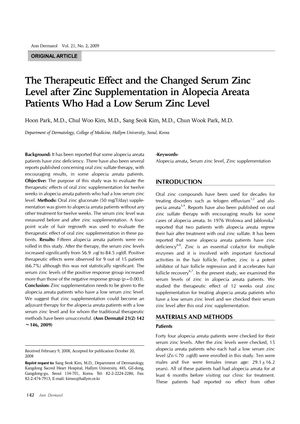
In 2009, a study involving 15 alopecia areata patients with low serum zinc levels administered oral zinc gluconate (50 mg/day) for 12 weeks. The serum zinc levels increased significantly from 56.9 µg/dl to 84.5 µg/dl after the supplementation. Nine patients (60%) showed positive therapeutic effects, with a more substantial increase in serum zinc levels in the positive response group compared to the negative response group (p=0.003). Despite these findings, the therapeutic effects were not statistically significant. The study suggests considering zinc supplementation for alopecia areata patients with low serum zinc, particularly when other treatments fail, proposing it could be an adjuvant therapy.

60 citations
,
October 2005 in “Experimental Dermatology” Zinc can both inhibit and stimulate mouse hair growth, and might help recover hair after chemotherapy.
239 citations
,
July 2002 in “Clinical and Experimental Dermatology” Low iron and L-lysine levels can cause hair loss in women, and increasing these nutrients can reduce hair shedding.
22 citations
,
December 1992 in “The journal of pediatrics/The Journal of pediatrics” Zinc supplements improved hair and skin conditions in two patients.
12 citations
,
September 1981 in “Acta Dermato Venereologica” Zinc supplements improved the girl's hair growth and thickness.
4 citations
,
January 2023 in “Frontiers in Medicine” Zinc is important for skin health, and supplements can help treat various skin and hair disorders, but more research is needed for conditions like psoriasis and vitiligo.
165 citations
,
January 2014 in “Dermatology Research and Practice” Zinc is effective for treating various skin conditions, including warts and acne.
10 citations
,
January 2016 in “Global Dermatology” Zinc helps manage skin disorders and deficiencies can worsen some conditions.
40 citations
,
August 2018 in “Skin appendage disorders” Some alternative treatments for hair loss might work, but more research is needed.
5 citations
,
May 2023 in “Frontiers in immunology” Environmental factors like diet and vitamin levels, especially Vitamin D, can affect autoimmune diseases differently, with lifestyle changes potentially improving outcomes.