A user is considering Spironolactone for hair loss but is advised against it due to its effects on testosterone. Instead, they are recommended to try finasteride at 18 and consider dutasteride if needed.
A new hair loss treatment, KX-826, is being discussed as a stronger and safer alternative to RU58841 and finasteride. Opinions are mixed, with some users skeptical about its effectiveness and others considering it as part of their regimen.
A user is seeking feedback on a homemade topical finasteride formula for hair loss, consisting of 7.5 mg of finasteride, propylene glycol, ethanol, and distilled water. They aim to achieve a 0.0125% solution by applying 2 ml daily.
The user shared their 3-month progress using topical minoxidil 6% twice daily and finasteride 1mg six days a week, along with a hair and scalp treatment. They reported no side effects and plan to add a dermastamp to their routine.
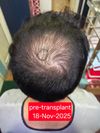
A 28-year-old male shares his 7-month progress after a crown hair transplant, using topical minoxidil foam, finasteride, and microneedling. He seeks feedback on whether his crown's progress is typical and if further thickening is expected between months 7 and 12.
A 28-year-old male, who has been using minoxidil for 7 years, is concerned about hair miniaturization and is considering adding pyrilutamide, alfatradiol, and nizoral to his regimen after experiencing side effects from finasteride. Despite concerns, others reassure him that his hairline appears normal for his age, and he is likely around a Norwood 1.5.
A 20-year-old has been using finasteride for one year and oral minoxidil for seven months to treat hair loss, but is discouraged by worsening results. They are considering switching to dutasteride and adding microneedling and topical minoxidil.
The user is experiencing hair regrowth and increased hair thickness after using supplements like biotin, zinc, selenium, and a complex with various natural ingredients, along with topical caffeine. They are considering using topical minoxidil and mesotherapy in the future.
A 24-year-old male is considering a hair transplant after unsuccessful attempts with oral minoxidil, topical finasteride, ketoconazole shampoo, and lifestyle changes. He believes smoking and caffeine may worsen his hair loss and is looking into hair fibers for temporary coverage.
The user has been using finasteride, minoxidil, and microneedling consistently for one month to improve hair regrowth. They also use collagen peptides, pumpkin seed oil, vitamin D, biotin, nizoral shampoo, adenosine shampoo, caffeine topical, and rosemary oil as part of their routine.
A 21-year-old male uses minoxidil, finasteride, and dutasteride for hair loss but still experiences progression with high DHT levels. Suggestions include increasing dosages, checking for deficiencies, considering a hair system, or consulting a specialist.
A 32-year-old male is experiencing hair loss despite using 0.5 mg Dutasteride and 2.5 mg Minoxidil daily, along with previous hair transplants and Finasteride use. He is considering increasing Dutasteride dosage and exploring other treatments like RU58841, but remains skeptical about their effectiveness and concerned about costs.
A user used oral finasteride and minoxidil for hair loss, seeing new hair growth under a microscope but no visible change. Commenters debated if the growth was real hair or fibers, and the user will update every 90 days.
Finasteride significantly reduced hair shedding within a week for a diffuse thinner, who also uses topical minoxidil and plans to add ketoconazole shampoo and microneedling. The user is hopeful for hair regrowth and is tracking progress with photos.
The user experienced significant hair regrowth using minoxidil 5%, finasteride 1.25mg, and nizoral 2% ketoconazole shampoo, with the best results appearing after two years. Consistency in treatment was emphasized, and the user plans to continue using minoxidil.
The user is experiencing hair loss and has tried topical finasteride without success due to side effects. They are considering using essential oils like rosemary, castor, and peppermint, and have started using 0.5% Pyriltamide.
A user with aggressive hair thinning is considering how to handle a coworker's interest in them. They are using Minoxidil, Finasteride, and Dutasteride, and are debating whether to keep using hair fibers, shave their head, or get a hair system.
A man shared how his baldness led to reconnecting with his high school crush, resulting in marriage. The conversation includes jokes and varied opinions on balding, with no specific treatments mentioned.
The conversation is about individuals sharing their positive experiences with hair loss treatments, specifically using oral minoxidil and finasteride, which have improved their hair density and helped them worry less about balding. Some users have been on these treatments for various durations and have noticed maintenance and regrowth of hair.
The conversation is about a 53-year-old man's struggle with hair loss and the various perspectives on balding. It also mentions the use of finasteride as a hair loss treatment.
After suffering from hair loss and trying various treatments like finasteride, minoxidil, RU58841, and scalp micropigmentation without lasting success, the individual found freedom and a renewed sense of self by shaving their head and accepting their baldness. They encourage others struggling with hair loss to not waste years searching for a cure and to consider embracing a shaved head as a positive solution.
A user's experience with hair loss and their successful hair transplant using finasteride to halt the loss for seven years, as well as other treatments such as Dut and RU58841 being discussed.
A 24-year-old person who is worried about their hair loss after 14 months of taking finasteride and 11 months of minoxidil. Replies to the post suggested sticking with their current regimen, that shedding from one part may not be telogen effluvium, and that shedding is normal with these drugs and they should evaluate in two to three months.
The post argues for teenage use of finasteride to prevent hair loss, citing minimal side effects and personal success. Replies criticize the advice, highlighting potential developmental risks and questioning the safety of finasteride for teenagers.
A user shared their 20-week progress using topical minoxidil (5%) and finasteride (0.1%) with a 1mm dermastamp, showing significant hair regrowth from NW5 to between NW3V and NW4. They experienced no side effects and plan to update at 12 months.
Orient Bio is developing a PLGA formulated version of Cyclosporine A to stimulate hair growth without its immunosuppressant effects. Users discuss various treatments like Clascoterone, PP405, minoxidil, and tacrolimus, expressing hope for new developments and sharing personal experiences with these treatments.
The user is experiencing scalp irritation from a compounded treatment of finasteride, minoxidil, and tretinoin. They are considering switching to a non-alcohol, propylene glycol-free formula with a lower tretinoin percentage to reduce irritation.
A 23-year-old male with Norwood 2.5-3 hair loss is considering using a lotion containing 0.3% finasteride and 6% minoxidil spray, as recommended by a dermatologist. He is hesitant about using oral finasteride due to potential long-term side effects.
A 23-year-old experiencing diffuse hair thinning has chosen a treatment stack including topical finasteride, a blend of rosemary, peppermint, and pumpkin seed oils, procyanidine B2 spray, ketoconazole shampoo, and scalp massages. They avoid minoxidil due to family history of side effects and oral finasteride due to high estrogen levels.
Delayed release oral minoxidil is seen as a promising advancement for hair loss treatment, offering safer, higher doses and more consistent hair follicle stimulation compared to current options. However, it is not expected to replace finasteride or dutasteride, as it does not prevent androgenetic alopecia.