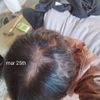
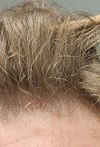
A 23-year-old male has been using oral Dutasteride and Minoxidil for six months to address hair loss but sees no improvement. Users suggest continuing the treatment for at least a year, considering a hair transplant, or trying additional treatments like microneedling or topical Minoxidil.
A 23-year-old male has been using Dutasteride for 10 months, alongside topical Minoxidil and Ketoconazole, but is experiencing increased hair thinning, particularly at the crown. Despite trying different dosages and treatments, including a brief attempt with oral Minoxidil, the user is frustrated with the lack of improvement and is seeking advice from others with similar experiences.
A 30-year-old male is using a regimen of dutasteride, minoxidil, ketoconazole shampoo, tretinoin cream, and microneedling for hair regrowth. He reports no side effects and has noticed visual improvement after one month.
The user experienced mixed results after one year on Dutasteride, with some areas of hair appearing worse and others better. They increased their Dutasteride dose to 2.5 mg daily and started using RU58841, with suggestions to add Minoxidil for improved results.
The user was diagnosed with DUPA and initially treated with finasteride, then switched to dutasteride which worsened their hair loss. They are now returning to finasteride and adding treatments including oral minoxidil, Proscar, Viviscal, pumpkin seed oil, LLLT, and Nizoral shampoo, hoping for hair regrowth.
A user shared progress photos after 37 days of using 0.5mg dutasteride for hair loss at age 17. The discussion focuses on the effectiveness of this treatment.
The user switched from finasteride to dutasteride and oral minoxidil after experiencing side effects and worsening hair loss, which improved their condition. Dutasteride was preferred due to fewer side effects and better results compared to finasteride.
Switching from finasteride to dutasteride and oral minoxidil led to thicker hair and reduced hairline recession. Occasional flushing from minoxidil will be managed by lowering the dose.
Dutasteride is less commonly prescribed for hair loss because it is not FDA-approved for this purpose, unlike finasteride, which is more accessible and preferred due to fewer side effects. Dutasteride may be more effective in reducing DHT but has a longer half-life and potentially more significant side effects.
A user is concerned about hair loss and has been using finasteride since May 2022, recently adding dutasteride. They are seeking advice on whether to continue both medications, switch to only dutasteride, or add RU58841, and are unsure if their hair quality issues are due to medication, stress, or other factors.
The conversation discusses seeking a stronger treatment than Dutasteride (DUT) for hair loss. Suggestions include combining DUT with RU58841, increasing DUT dosage, and using transgender hormone replacement therapy or testosterone blockers, though some options may have feminizing side effects.
Dutasteride might be better for hairline due to varying levels of 5AR activity in scalps. Genetic tests can determine if finasteride is enough or if dutasteride is needed.
A 22-year-old male uses dutasteride, a serum with 10% minoxidil and 0.5% finasteride, and microneedling for diffuse androgenetic alopecia. Progress pictures show changes from July 2025 to February 2026.
A 28-year-old experiencing worsening hair loss despite using Dutasteride and oral Minoxidil is considering exosome therapy and possibly switching treatments due to side effects. They seek advice on whether to continue with Dutasteride or try alternatives like Pyrilutamide or topical supplements.
The potential risks and benefits of using Dutasteride as a hair loss treatment, compared to using Finasteride or other treatments like RU58841 or Accutane. People discussed their personal experiences with these treatments and shared advice on how to proceed.
The user has been on dutasteride and oral minoxidil for a year with no progress and is considering increasing the dutasteride dose or adding RU58841. Other users suggest consulting a doctor, trying derma needling with topical minoxidil, and note that hair loss treatments can have varying effectiveness.
A 28-year-old male considering hair restoration is deciding between starting with 0.5mg dutasteride or 1mg finasteride, with finasteride being the typical starting point due to fewer and shorter-lasting side effects. The options also include minoxidil and biotin.
The user experienced hair regrowth with dutasteride but later lost progress despite using minoxidil foam and dermastamping. Suggestions included reducing dermastamping frequency, conducting blood tests, and considering oral minoxidil or different brands of dutasteride.
The conversation discusses the frustration over the unavailability of 2.5mg dutasteride soft gels, with some users suggesting higher doses for better scalp DHT suppression. Concerns about side effects and the necessity of DHT are debated, with some users advocating for alternative treatments like RU58841 and oral minoxidil.
The user is using 0.5mg Dutasteride, 5mg oral Minoxidil, and topical Minoxidil daily for hair loss treatment. They report increased body hair and some improvement in hairline density and length.
A 21-year-old male experienced initial success with finasteride for 16 months but is now losing hair again. He is considering switching to dutasteride and adding oral minoxidil, while also investigating environmental and health factors.
The user is taking dutasteride 0.5mg daily and seeks a topical androgen inhibitor for the scalp. They are looking for recommendations to enhance their hair loss treatment.
Dutasteride is often preferred over Finasteride due to fewer side effects and better hair regrowth. Initial side effects like lowered libido may occur but typically diminish over time.
The user has been using oral Dutasteride, RU58841, and Minoxidil for three years without success and is considering adding topical Finasteride or Dutasteride to target DHT both locally and systemically. Other users suggest sticking to a consistent treatment plan, exploring different combinations, and considering other factors like potential misdiagnosis or inconsistent medication use.
The conversation discusses hair loss treatments, specifically the transition from finasteride and minoxidil to dutasteride, with positive results reported by the original poster. Users share experiences with these treatments, noting varying effectiveness and side effects.
A 23-year-old male shared his 6-month hair transformation using Dutasteride, oral Minoxidil, ketoconazole shampoo, vitamin D, gym, cardio, and dermastamping. He reported significant hair maintenance and no side effects.
A user is treating hair loss with daily 0.5mg Dutasteride, 5mg oral Minoxidil, topical Minoxidil and Dutasteride, 520mg Saw Palmetto, 5mg Biotin, and 0.8mg Folic Acid. They plan to start weekly micro-needling and mix Minoxidil with Tretinoin.
The user has been using oral finasteride and minoxidil for five months with some progress and plans to switch to dutasteride, while also considering a hair transplant for better coverage. Suggestions include adding microneedling, Nizoral shampoo, and possibly using both oral and topical treatments for improved results.
The user is asking if using a 10% fluridil formulation would be effective for blocking scalp androgens in addition to their current treatment of oral dutasteride.