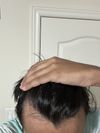
Considering alternative treatments to hair loss, such as platelet-rich plasma (PRP) and exosome therapy, instead of using medications like minoxidil, finasteride/dutasteride.
A 31-year-old woman is using Dutasteride (0.5mg daily) and supplements like a multivitamin, Herbadal, pumpkin seed oil, and vitamin D for genetic hair loss, noticing thicker hair but no new growth after one month. She is considering adding minoxidil and is aware of Dutasteride's risks, especially regarding pregnancy.
Hair loss treatments discussed include 200mg Spiro, bicalutamide, and finasteride. Endocrinologist advises against bicalutamide and finasteride due to potency and risks.
The conversation is about purchasing RU58841 for hair loss treatment from Xian Lyphar BioTech. Users confirm the company is legitimate and the price is reasonable.
A user's experience with treating their hair loss using finasteride, minoxidil, RU58841, dermarolling, and nizoral; specifically discussing dosage levels of the medications and effects on libido.
An 18-year-old male using minoxidil and finasteride is experiencing increased hair loss, possibly due to a shedding phase from finasteride. He also takes zinc, magnesium, calcium, and vitamin C, and is concerned about hair loss from his temples.
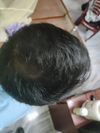
Finasteride raises total testosterone but lowers free testosterone, which is important for male health. Users report mixed experiences with their fitness levels and blood test results after using finasteride.
A peptide-based delivery system for finasteride shows promise in reducing systemic side effects while maintaining hair growth effectiveness. Combining this with other treatments like minoxidil and RU58841 could enhance results with lower systemic absorption.
A user is concerned about taking evening primrose oil alongside finasteride and minoxidil due to its potential effects on hormonal balance and DHT inhibition. They seek advice on whether to continue the supplement or if their worries are unfounded.
The user has been using finasteride and minoxidil for hair loss but experienced worsening temple recession. They suspect they might be more sensitive to testosterone and are considering trying RU58841 or CB 03 01 as additional treatments.
A woman with AGA is using spironolactone, dutasteride, finasteride, oral minoxidil, bicalutamide, and anti-androgenic birth control but still experiences worsening hair loss. Steroid shots temporarily stop her hair shedding, leading her to question her biopsy results.
The conversation discusses the potential benefits of finasteride (Fin) for lowering cholesterol and reducing cardiovascular disease risk, with users sharing personal experiences and opinions on the medication's effects on health and hair loss. Some users report positive changes in cholesterol levels after taking finasteride, while others are skeptical or joke about its effects.
The conversation discusses using saw palmetto oil to reduce hair loss, with the user reporting decreased shedding but no regrowth yet. The user plans to try minoxidil and finasteride, noting previous success with minoxidil but concerns about its greasiness.
The user shared 6-month results using finasteride, minoxidil, ketoconazole shampoo, vitamin D, calcium, and biotin, showing significant improvement. Another user praised the results as excellent.
The user visited a trichologist due to ineffective topical finasteride treatment for hair loss. The trichologist recommended a new regimen including a two-month course of locoidon (cortisone 0.1%), followed by a solution containing minoxidil, hydrocortisone butirrate, estrone, progesterone, tocopherol acetate, trichosol, and transcutol.
Hair loss recovery using estrogen and anti-androgen treatment for 18 months showed significant improvement. However, results vary and alternative treatments like RU58841 and Dutasteride may work without systemic feminization.
The conversation discusses using estradiol and its derivatives for hair loss without causing feminization. Users mention alternatives like alfatradiol, topical 17b-Estradiol, and DIM (Diindolylmethane).
Liposomal formulations of finasteride and minoxidil may enhance drug delivery to the skin and hair follicles more effectively than traditional solutions, potentially improving treatment outcomes. However, more human clinical trials are needed to confirm these benefits.
Koshine 826 (Pyrilutamide) is being used by several users to address hair loss, with mixed results on shedding and side effects. Some users report reduced shedding and no side effects, while others experience increased shedding and potential issues with libido and erectile dysfunction.
The conversation discusses using homemade topical finasteride for hair loss, showing an increase in DHT levels despite treatment. The user applies 0.125mg daily, resulting in 113.4% of previous DHT levels.
RU58841 is a strong non-steroidal antiandrogen for hair loss but may cause cardiovascular issues in some users. Alternatives like Pyrilutamide and Breezula are suggested due to better safety profiles and lower systemic risks.
The user is considering starting pyrilutamide before a scheduled hair transplant, having previously used oral minoxidil and finasteride with worsening results. They also tried dutasteride, which worsened their hair and made their skin oily.
Users discuss using pyrilutamide for hair loss, seeking alternatives to 5AR inhibitors. They mention using minoxidil, ketoconazole shampoo, and RU58841.
Using a combination of low-dose topical finasteride (0.025%) and 0.5% pyrilutamide for hair loss, with a focus on minimizing side effects. The user seeks experiences and results from others who have tried this combination.
The user has been using finasteride and minoxidil for years without effect and recently added pyril 1%, resulting in significant hair shedding. Shedding 100 hairs a day is considered normal, and it's suggested to evaluate the treatment plan in six months.
A user had a disappointing dermatologist appointment where they were denied prescriptions for Dutasteride and oral Minoxidil for hair loss and were only offered a hair transplant referral. Other users sympathized, discussed self-medication, and suggested consulting a transplant doctor for up-to-date treatments.
A 17-year-old male is concerned about hair loss and is considering treatments like Minoxidil, finasteride, and RU58841. The discussion includes sharing images of the hair condition for advice.
A 15-year-old is experiencing uneven hair loss, with one temple receding significantly. They are considering using finasteride, minoxidil, or dutasteride to slow hair loss before visiting a dermatologist, and may consider a hair transplant in the future.
Pyrilutamide (KX-826) is discussed as an anti-androgen treatment for hair loss, with mixed user experiences. Some users report no results, while others find it mildly effective.