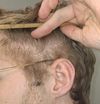
A 19-year-old male has been experiencing aggressive hair loss since age 15/16 and has tried various treatments including topical Minoxidil, microneedling, tretinoin, retinoic acid, stemoxydine, RU58841, and finasteride without success. He recently added oral Minoxidil but continues to experience significant hair thinning and is considering switching to dutasteride.
A user experienced significant hair regrowth from Xeljanz after severe alopecia but can no longer afford it. They are seeking ways to obtain the medication despite its high cost and potential side effects.
PP405 is considered a promising potential cure for hair loss, with phase 2 trial results expected in February 2025. Hair cloning is also discussed as a potential ultimate solution, despite significant scientific challenges.
User asks if spironolactone can stack with finasteride and pyrilutamide for hair loss treatment. They question why spironolactone is associated with feminizing effects, while RU/pyri/fluridil, which work similarly, are not.
Dutasteride may affect testosterone levels, leading to high ferritin and iron levels, which can cause hair loss. High ferritin might be linked to past heavy drinking or hemochromatosis.
Minoxidil, finasteride, and RU58841 are discussed as treatments for androgenetic alopecia (AGA). The conversation questions their effectiveness and whether they are scams.
Early hair loss causes emotional distress, and common coping strategies like fitness and fashion are inadequate. Treatments like finasteride, minoxidil, dutasteride, hair systems, and scalp micropigmentation were tried but were unsatisfactory.
A user found that scalp itch might be linked to inflammation rather than DHT alone and noticed hair improvement with certain cancer drugs. They also discovered that black seed oil relieved their scalp itch and are experimenting with a mix of essential oils for dry scalp, questioning if oils affect minoxidil absorption.
A bodybuilder's hair transplant appears unnatural with a straight hairline and low density, possibly worsened by not using finasteride. The Turkish clinic is criticized for poor design, and the transplant may have been free for promotion.
Pelage is developing a topical hair follicle stem cell therapy, PP405, for non-scarring alopecias like androgenetic alopecia, with Phase III trials planned and a potential market launch by 2027. The treatment may not require continuous use after initial regrowth.
The user has been on a comprehensive hair loss treatment regimen for four years, including Dutasteride, topical and oral Minoxidil, and various other treatments, but has seen little progress and is considering a hair transplant. Despite trying multiple therapies, including PRP and exosome injections, the user is still experiencing hair thinning and is hesitant about trying peptides due to potential cancer risks.
Pyrilutamide, a potential hair loss treatment that has been tested in Phase 2 trials and may be available for purchase through a group buy in June. It is purported to have similar effects on hair growth as Dutasteride.
Finasteride is used for hair loss, with mixed reports of no side effects and claims of long-term negative effects known as Post Finasteride Syndrome (PFS). The conversation debates the existence and causes of PFS, with differing opinions on whether it is psychological or real.
The conversation discusses hair loss linked to BDNF-increasing nootropics like Semax and Lions Mane. Suggested topical treatments include capsaicin, beta-glucan, and ginseng to counteract TGF-B activation.
The user has been using topical minoxidil for over a year and added kx826/pyrilutamide to improve hair growth, avoiding finasteride due to side effects like lowered libido and panic attacks. They report positive results with reduced shedding and healthier hair, particularly in areas previously unresponsive to minoxidil.
Hair loss is linked to DHT, with treatments like finasteride and minoxidil being common but not definitive. Economic interests influence research, and there is potential for new treatments like PP405 and RU58841.
A user is joining a clinical trial for Clascoterone, a drug approved for acne but being tested for hair loss. They previously tried finasteride with limited success and plan to share updates on their experience with the new treatment.
SCUBE3 is available online but poses risks like tumor promotion and high costs. Users advise against using it due to health concerns and inefficacy as a standalone treatment.
The user is experiencing ongoing hair loss despite using a comprehensive treatment regimen including dutasteride, oral minoxidil, cyproterone acetate, transdermal estradiol, and topical bicalutamide. They suspect cyproterone acetate may be worsening their hair loss and are considering switching to injection monotherapy.
A user had a failed hair transplant with 2800 FUE grafts at a clinic in Turkey, where finasteride was used, and the procedure was poorly executed by technicians rather than the main surgeon. The user later sought repair from a more experienced doctor, highlighting issues with large clinics that handle multiple patients daily.
The user experienced hair regrowth with dutasteride but later lost progress despite using minoxidil foam and dermastamping. Suggestions included reducing dermastamping frequency, conducting blood tests, and considering oral minoxidil or different brands of dutasteride.
A user is experiencing hair regrowth after treating vitamin D, B12, and B9 deficiencies, noticing some improvement after 9 months. They are unsure if further improvement will occur or if they have reached the end of progress, with a possibility of androgenetic alopecia (AGA) being suggested.
A 22-year-old is experiencing aggressive hair loss despite using minoxidil and finasteride and is considering a hair transplant but lacks funds. The discussion includes advice on treatments like dutasteride, microneedling, and lifestyle changes, with mixed opinions on the timing and effectiveness of a transplant at a young age.
Hair transplants, oral finasteride, oral minoxidil, and dutasteride mesotherapy are highly effective for treating AGA hair loss. This combination can maintain and improve hair for most people, except those with very aggressive AGA.
Hair loss discussion mentions treatments like Finasteride, Dutasteride, and Minoxidil. Users share experiences, side effects, and advice on using these treatments.
A 28-year-old male experiencing diffuse thinning and miniaturization around the ears and back has tried finasteride, dutasteride, and both topical and oral minoxidil without success. He is seeking advice on identifying the type of hair loss and next steps since current treatments are ineffective.
A 31-year-old man has been using Dutasteride since 2022, alongside topical Minoxidil, with positive results and no issues. His new healthcare provider expressed concerns about long-term Dutasteride use and suggested alternatives like oral Minoxidil and Spironolactone, but the patient is hesitant to change a successful routine.