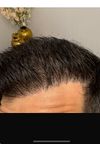
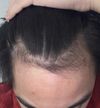
The user started dutasteride and oral minoxidil but saw no improvement in crown hair regrowth. Users suggest increasing the minoxidil dose and seeking a second opinion.
The post is an update on the user's hair loss journey. They have a strong hair follicle that has remained unaffected by hair loss for almost 3 years. The user is starting finasteride and using ketoconazole, alfatradiol, and oral castor oil for hair maintenance.
The user switched from finasteride and topical minoxidil to oral dutasteride and minoxidil, with plans to add RU58841, to improve hair growth and address a stubborn bald spot. Despite initial shedding, the user noticed thicker, darker hair and plans to continue the treatment or consider a hair transplant.
A user has been experiencing hair loss for 4 years, with treatments like minoxidil, finasteride, and various supplements proving ineffective. They were diagnosed with fibrosing alopecia in a pattern distribution, a condition that may require a combination of anti-inflammatory and hair growth treatments.
A user with alopecia totalis, borderline universalis, seeks advice on getting into a Xeljanz trial or appealing insurance for coverage. They experienced significant hair regrowth but are now seeing hair loss again and want to try Xeljanz.
The user shared a 6-month aggressive hair loss treatment progress, using oral minoxidil, finasteride/minoxidil topical, dutasteride, derma stamping, Nizoral, and daily Cialis, which notably improved regrowth. Commenters observed significant improvement, with one noting a change from a Norwood 5 to a Norwood 1 in hair loss classification.
A 33-year-old male is documenting his hair regrowth progress using minoxidil, red light therapy, copper peptides, and micro-needling, with noticeable improvement in hair thickness and coverage. He plans to add a topical finasteride/minoxidil spray and aims for a shadow on his scalp rather than a full head of hair.
A 27-year-old Asian male is treating hair loss with 1mg oral finasteride, topical minoxidil twice daily, and 1.5mm microneedling weekly. The discussion is about his progress with these treatments.
The user shared their hair regrowth progress using a combination of treatments including finasteride, dutasteride, minoxidil, tretinoin, Sulfogenz, KX-826, low-level laser therapy, and microneedling. They plan to continue medication for another year before considering a hair transplant, noting steady improvement but not major changes.
The user experienced tiny vellus hairs from 0.5mg finasteride and 2.5mg minoxidil over 9 months. Topical minoxidil, alfatradiol, and RU58841 applied twice daily for 1.5 months significantly improved temple hair regrowth.
A 27-year-old experienced significant hair regrowth after a hair transplant with 4349 grafts, supported by minoxidil and finasteride, improving his confidence. He plans to update on further progress at 9–12 months.
A 22-year-old has been using topical finasteride and minoxidil with microneedling for hair loss, considering switching to oral finasteride or dutasteride due to slowed progress. Recent changes in application technique and increased microneedling frequency seem to have led to noticeable hair regrowth, prompting reconsideration of switching treatments.
The user experienced a receding hairline and tried minoxidil, which may have slowed the process but caused puffy eyes. They are hesitant to use finasteride and suspect oily dandruff might be an aggravator.
A 27-year-old is experiencing significant hair loss despite using a combination of 0.5mg dutasteride daily, topical minoxidil, nizoral shampoo, and vitamin D optimization, and is now starting zinc supplementation. Suggestions include considering other causes, possibly increasing dutasteride dosage, switching to oral minoxidil, or maintaining the current regimen and reassessing in six months.
Transplanted hairs are thinning after switching from topical to oral minoxidil, with increased shedding and miniaturization. The user is considering reintroducing topical minoxidil and has started using ketoconazole shampoo.
Dutasteride and finasteride are not effectively stopping hair loss for some users, despite long-term use. Some are considering or using RU58841, pyrilutamide, and other treatments like microneedling, while also managing seborrheic dermatitis with diet and topical solutions.
A 17-year-old is experiencing rapid hair loss from NW1.5 to NW3 in six months and feels dermatologists are unhelpful. They are using Minoxidil (Rogaine) and seeking advice on application.
Chronic Telogen Effluvium can be managed by avoiding inflammatory foods, exercising, staying hydrated, and using supplements like krill oil, saw palmetto, or licorice root. Minoxidil is discouraged due to its cost and potential for worsening hair loss, while castor oil is recommended to strengthen hair roots and reduce shedding.
A 57-year-old man with male pattern hair loss and insulin resistance experienced hair regrowth and weight loss after using tirzepatide, without other hair treatments. Dysregulated glucose metabolism is linked to hair loss, with tirzepatide potentially improving hair density by normalizing insulin resistance.
The user is experiencing thinning at the temporal points and has been using minoxidil, dermarolling, and a mixture of natural oils to improve hair growth. They are considering finasteride as a potential treatment based on shared information.
A 12-year-old diagnosed with alopecia shares their experience and current treatments, including Dermovate, an unnamed cream, and liquid iron. The community offers support and encouragement.
The user has been using topical minoxidil and finasteride for four months, along with microneedling and Nizoral, noticing thicker lashes and eyebrows but not much scalp hair growth. They apply the treatment twice daily with a 5% minoxidil and 0.3% finasteride solution.
A 19-year-old is using oral dutasteride, topical minoxidil, and dermastamping to address hair loss and enhance facial hair growth, experiencing minimal side effects and increased body hair. They report positive results in hairline thickness and temple closure.
The user switched from oral minoxidil to topical minoxidil and added JXL-069/PP405-3HP, along with topical dutasteride, melatonin, and tretinoin. They also use low-level laser therapy (LLLT) but doubt its effectiveness.
The user observed new tiny white hairs after 12 days of using minoxidil, finasteride, microneedling, and biotin, hoping they will become terminal hairs. Others advise that while some hairs may not fully grow, consistent treatment, patience, and scalp massages could enhance results.
A 15-year-old is experiencing hair loss and is considering treatment options. They are aware they cannot use DHT blockers like finasteride due to their age and are exploring other causes like Telogen Effluvium.
A hair loss regimen that includes oral dutasteride and topical minoxidil, as well as occasional dermapen treatments; the user inquires about when they noticed most regrowth.
The user shared their hair regrowth journey since 2017, using treatments like finasteride, minoxidil, dutasteride, RU58841, microneedling, and later feminizing HRT. Significant progress was noted after starting HRT, with continued improvement in hair texture and regrowth.
A user's 8 month progress with treatments including dutasteride, minoxidil, RU58841, derma roller, ketoconazole shampoo and stemoxydine to combat hair loss. Others have shared their own experiences and regrowth results with similar treatments.