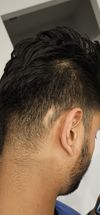
A user diagnosed with Crohn's disease is concerned it might contribute to balding. They have been using keto shampoo, finasteride, and oral minoxidil, which improved their hair but not significantly.
The conversation is about the potential effectiveness of a hair loss treatment called pyrilutamide. One person has been using it since September and reports positive results.
The conversation discusses interest in peptides for hair loss, specifically mentioning ahkCU and ghkCU. A user is considering adding ghkCU to their treatment regimen.
The user is taking 0.5mg finasteride and 0.5mg Loniten orally daily, using Eucapil twice weekly, and Minoxidil foam once daily for hair loss. They believe Eucapil effectively stops hair loss despite side effects like breast growth.
The user is using a hair loss treatment regimen that includes applying various topical solutions and taking oral medication. They are mixing their topical treatments to save time but are concerned about the effectiveness of the treatments when combined and stored.
A 23-year-old male is experiencing diffuse hair loss and miniaturization, possibly due to high IGE levels after using tofacitinib. He seeks advice and has not yet consulted a dermatologist.
The user noticed miniaturized hair at the front of their hairline and is not on any medication. They are concerned if this is a sign of a receding hairline or something normal.
A 24-year-old woman being diagnosed with androgenic alopecia (AGA) who is scared and confused about her hair loss, and the treatment options of Minoxidil, finasteride, RU58841, spironolactone, and possibly a biopsy.
A user is concerned about using Alpicort, which contains Prednisolone and Salicylic Acid, for male pattern baldness. They are unsure if it will help or worsen their condition and are seeking advice.
The conversation discusses Pyrilutamide for hair loss, with skepticism about its legitimacy and mentions of an upcoming press release from Kintor. It also references ongoing trials and includes links for further information.
A user is developing an AI-powered app for hair loss that includes features like hair loss stage detection and hairline tracking. They seek feedback to ensure the app is useful and emphasize privacy and affordability.
The user is experiencing ongoing hair loss despite using a comprehensive treatment regimen including dutasteride, oral minoxidil, cyproterone acetate, transdermal estradiol, and topical bicalutamide. They suspect cyproterone acetate may be worsening their hair loss and are considering switching to injection monotherapy.
The post discusses the high cost of a topical hair loss treatment from Happy Head, which contains finasteride, minoxidil, retinoic acid, and hydrocortisone. The user is seeking cheaper alternatives, specifically asking if there are compounding pharmacies that can recreate the same or similar formulation.
The post and conversation discuss the effectiveness of pyrilutamide for hair loss, with comparisons to finasteride and RU58841. Users express skepticism due to failed trials and high costs, with some waiting for more data before trying pyrilutamide.
Clascoterone is promising for hair loss, showing 24.5% improvement in satisfaction compared to placebo. Users consider it an alternative to finasteride, with concerns about absorption and side effects.
Hair transplants, oral finasteride, oral minoxidil, and dutasteride mesotherapy are highly effective for treating AGA hair loss. This combination can maintain and improve hair for most people, except those with very aggressive AGA.
The user has been using oral finasteride for 15 months and oral minoxidil for 6 months, and developed alopecia areata, for which a dermatologist prescribed calcipotriol/betamethasone. The treatment is helping, but the user is experiencing another shedding phase and is concerned about the effects of the steroid cream and the cause of hair loss.
High frequency ultrasonography and HR-MRI can help identify hair shedding causes like inflammation and fibrosis. The conversation discusses the potential of using these technologies to evaluate treatments like Verteporfin for hair regeneration.
The user diagnosed with DUPA tried treatments like dutasteride, finasteride, RU58841, and minoxidil without success and is considering a hair system. They hope for a future cure, possibly with PP405, and others suggest options like scalp biopsy and SMP.
PP405 is a potential hair loss treatment that inhibits mitochondrial pyruvate carriers, increasing lactate dehydrogenase activity and stimulating hair follicle stem cells. In a phase 1 trial, 31% of participants showed over 20% hair density increase with PP405 treatment.
A young female diagnosed with Lichen planopilaris (LPP) experienced years of misdiagnosis and ineffective treatments, including a hair transplant and other procedures. She is considering litigation due to the misdiagnosis and has learned that LPP is chronic, hair loss can be stopped with ongoing medication, but lost hair cannot regrow.
A user diagnosed with AGA is seeking advice on hair loss treatments, comparing topical Minoxidil, Spironolactone, and Finasteride to oral medications and natural methods like dermastamping, PRP, and LED light. They are concerned about side effects and effectiveness, especially given their existing fatigue.
Hair loss treatments discussed include cosmeRNA, minoxidil, finasteride, RU58841, and pyrilutamide. Users debate effectiveness, side effects, and upcoming treatments, with some expressing skepticism and others optimism.
People are discussing ordering pyrilutamide for hair loss treatment in the US. The treatment is from Kintor's subsidiary company and is available on Amazon.
Kintor announced Phase 3 results for pyrilutamide, a hair loss treatment, in China. The conversation is focused on this announcement and its implications for hair loss treatment.
The conversation humorously suggests that doing daily handstands can regrow hair by improving blood flow to the scalp, dismissing traditional treatments like finasteride and minoxidil. It satirically claims that gravity is the real cause of hair loss, with users joking about the effects of gravity on hair growth.