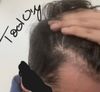
A 16-year-old girl is experiencing hairloss, which has worsened despite using minoxidil and multivitamins. Suggestions include broader hormone testing and considering other treatments like spironolactone if the hairloss is due to androgenic alopecia.
The user successfully managed hairloss using Finasteride, Minoxidil, Ketoconazole shampoo, and a hair mask, experiencing significant hair growth and improved density. They attribute their success to consistency, improved nutrition, and a dedicated routine.
A 21-year-old male, 13 months into hairloss treatment, reports increased hair fall despite using Dutasteride, oral Minoxidil, vitamins, and specialized shampoos. He questions the impact of anxiety and depression on hair fall and is hesitant to seek therapy.
A 19-year-old male has been losing hair since 16-17 and feels more depressed after 6 months of using topical minoxidil and finasteride, which made his hair dry and greasy. Another user suggested switching to oral finasteride and provided tips for using topical minoxidil to reduce greasiness.
An 18-year-old male is experiencing hairloss and is using topical minoxidil and oral finasteride. He is concerned about continued shedding, mild sexual side effects, and whether to adjust his finasteride dosage.
A 23-year-old male with aggressive hairloss has tried various treatments, including minoxidil (both topical and oral), dutasteride, multivitamins, and PRP sessions, but has seen limited success. He is considering a hair transplant and seeks advice on whether this is a reasonable approach.
Hair growth success may be linked to addressing scalp fungi issues, with treatments like minoxidil, finasteride, and dutasteride being important. DHT may contribute to scalp microbial issues, potentially causing inflammation and hairloss.
Despite using finasteride, minoxidil, and RU58841, the user is experiencing slow hairloss, particularly at the hairline, and is considering additional treatments like microneedling and possibly switching to dutasteride. Concerns about medication side effects, such as reduced sperm count and performance anxiety, are also discussed.
Hairloss can be managed by acting early, using treatments like Minoxidil, finasteride, and possibly dutasteride, along with lifestyle changes such as using sulfate-free shampoos and eating protein-rich foods. Consulting a dermatologist and considering microneedling, vitamins, and anti-fungal shampoos are also recommended.
An 18-year-old is experiencing severe hairloss and dandruff, feeling stressed and unable to commit to Minoxidil or handle finasteride side effects. They have tried natural oils, anti-hair fall shampoo, and consulted a dermatologist without success, and are seeking affordable treatment options.
The conversation discusses hairloss treatments, with users suggesting the use of finasteride daily, considering minoxidil for aggressive hairloss, and discussing the normalcy of shedding during treatment. Some users recommend adding Nizoral shampoo and switching to dutasteride for better results.
Hairloss discussion includes treatments like Minoxidil, Finasteride, and RU58841. Conversation highlights double standards with hair fibers and women's wigs/makeup/extensions/eyelashes.
The user is experiencing aggressive hairloss and is using minoxidil, microneedling, biotin, and vitamin D. They are considering finasteride or dutasteride and plan to consult a dermatologist for the best treatment.
The user is experiencing continued hairloss despite using minoxidil, finasteride, tretinoin, and microneedling. They are considering a hair transplant due to lack of response to current treatments.
A 22-year-old experiencing hairloss and persistent scalp itchiness since age 16 has tried various treatments, including finasteride, ketoconazole shampoo, and dietary changes, with no success. Suggestions include consulting a knowledgeable dermatologist, considering seborrheic dermatitis, and trying different shampoos like Selsun Blue or those with selenium sulfide.
A user experimented with creatine while using finasteride and minoxidil for hairloss, noticing increased bald spots and thinner hair, but attributed it to his hair cycle rather than creatine. Other users suggested that creatine doesn't cause hairloss directly, but increased testosterone from workouts might affect those with a genetic predisposition.
A user discusses fighting hairloss without finasteride, using minoxidil, ketoconazole shampoo, saw palmetto, pumpkin seed oil, pygeum, stinging nettles, biotin, a boar bristle brush, and a derma roller. Replies suggest finasteride is necessary for effective hairloss prevention.
The user stopped using finasteride and minoxidil after a hair transplant, now only using coconut oil and serum, and is concerned about potential hairloss. Others advise continuing finasteride to prevent future hairloss, despite the user's doctor suggesting it's unnecessary.
A user on dutasteride for hairloss noticed hair regrowth on their head but a significant reduction in body hair growth. They plan to switch to finasteride and dutasteride and are considering testosterone replacement therapy but are concerned about its effects on hair growth.
The user is experiencing hairloss and is using topical finasteride, rosemary oil, caffeine, microneedling, low-level laser therapy, scalp massages, ketoconazole shampoo, and various vitamins and supplements. They are concerned about potential gynecomastia and are considering using minoxidil if current treatments do not stop hairloss or promote regrowth.
A 21-year-old with a family history of early balding is advised to see a dermatologist to confirm androgenetic alopecia (AGA) and consider treatments like finasteride or dutasteride to prevent further hairloss, and minoxidil, possibly with tretinoin, to regrow hair. Caution is advised with oral minoxidil, and a cardiologist should be consulted before use.
A 19-year-old male with seborrheic dermatitis (SD) experienced significant hairloss and uses keto shampoo, zinc, and Nizoral to manage it. He inquires about the potential for regrowth and whether adding finasteride would help.
The user experienced significant hair regrowth using finasteride, minoxidil, and other treatments but faced side effects like reduced libido and erectile issues. They are considering switching to Adgain Plus to improve hair health without affecting sexual health.
A 27-year-old is experiencing significant hairloss despite using a combination of 0.5mg dutasteride daily, topical minoxidil, nizoral shampoo, and vitamin D optimization, and is now starting zinc supplementation. Suggestions include considering other causes, possibly increasing dutasteride dosage, switching to oral minoxidil, or maintaining the current regimen and reassessing in six months.
The user tried oral minoxidil and dutasteride for hairloss after topical treatments failed, but with limited success. They suggest considering a hair system (toupee) as a more cost-effective and less complicated alternative to extensive non-regulated treatments.
The user shared their successful hair regrowth using oral finasteride, minoxidil foam, a custom topical solution, ketoconazole shampoo, and microneedling, resulting in significant improvement at the crown. However, they experienced hairline recession after switching to a topical solution with finasteride and minoxidil, raising concerns about its effectiveness.
A 22-year-old experiencing hairloss since age 16 is seeking advice after stopping finasteride due to side effects, despite its effectiveness, and is currently using minoxidil and taking vitamin D supplements. They are concerned about their receding hairline and are considering whether to continue treatments or shave their head.
The user is experiencing hairloss likely due to anemia and nutrient deficiency, and is considering using Minoxidil or non-drug treatments like coffee rinses while improving their diet and taking supplements. They are unsure if Minoxidil will be effective for this type of hairloss and are concerned about potential side effects.
A 22-year-old male experiencing diffuse thinning and frizzy hair has been using finasteride for nine months and is seeking advice on improving hair quality. Suggestions include using conditioners, biotin, rosemary oil, and addressing scalp conditions like seborrheic dermatitis or psoriasis, while finasteride may help reverse miniaturization and improve hair health.