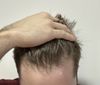
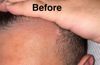
A 28-year-old male is experiencing hairline recession despite his family having full heads of hair. Suggested treatments include finasteride, minoxidil, and ketoconazole 2% shampoo.
The user is using multiple topical treatments including Minoxidil, RU58841, and Spironolactone, along with supplements, to address hairloss and is considering starting oral Minoxidil. They plan to begin oral finasteride soon after experiencing side effects from topical dutasteride.
The user is concerned about hairloss and is using treatments like dutasteride, microneedling, and topical finasteride, while considering adding RU58841. They are also using Minoxidil on the temples and are worried about testosterone-related hairloss.
The user is experiencing significant hairloss despite using treatments like finasteride, minoxidil, dutasteride, micro-needling, rosemary oil, and various vitamins. In the conversation, others suggest checking iron and hemoglobin levels, maintaining a positive attitude, and adding RU58841 to the treatment regimen.
Hairloss may be linked to DHT, which can both suppress and increase inflammation, potentially as a defense mechanism. Treatments like Minoxidil, Finasteride, and RU58841 are discussed, but the exact cause of hairloss remains unclear.
The user is experiencing hair thinning at the front of the scalp and is seeking advice on regrowing long curly hair. They are considering treatments like Minoxidil, finasteride, and RU58841 to prioritize hair regrowth.
The user is experiencing hair thinning despite using finasteride and minoxidil for over a year and is considering alternatives like dutasteride, RU58841, or mesotherapy. They are concerned about maintaining their hair until their mid-20s and are seeking suggestions for additional treatments.
A 23-year-old male is experiencing large dandruff flakes causing hairloss, despite using anti-dandruff shampoo. He seeks advice on resolving the issue, noting a family history of baldness.
The user has been experiencing diffuse hair thinning despite using finasteride, minoxidil, dermarolling, clobetasol cream, and PRP sessions. They seek advice on additional treatments and are advised to check vitamin D, iron, and thyroid levels.
The conversation discusses preventative hair care measures for hairloss, focusing on non-prescription treatments like rosemary, peppermint, castor oils, microneedling, and ketoconazole shampoo. It also touches on the use of finasteride, minoxidil, and RU58841 for those experiencing hairloss.
The post discusses potential links between low vitamin D levels and hairloss, and how correcting this might impact the effectiveness of Minoxidil and Finasteride treatments. The responses vary, with some suggesting that vitamin D deficiency would cause overall scalp hairloss, while others believe it would first affect the most sensitive areas.
The user experienced hairloss despite using Fin and Min for 12 years and switched to Dutasteride, RU58841, and Keto scalp serum, but shedding and itch persist. They are considering increasing Dutasteride to 2.5mg and questioning the necessity of a scalp biopsy, with mixed opinions on its usefulness.
A 24-year-old is struggling with severe depression and anxiety due to hairloss, despite using dutasteride and oral minoxidil for two years. They are advised to consider shaving their head, exploring wigs or hair systems, and focusing on other aspects of life like health, relationships, and career.
A 21-year-old experiencing significant hairloss despite using dutasteride, oral minoxidil, ketoconazole shampoo, and low-level laser therapy seeks advice. Suggestions include adding microneedling, checking for vitamin deficiencies or thyroid issues, and considering a scalp biopsy for other conditions.
A 38-year-old male with stress-induced Telogen Effluvium is seeking advice on using oral finasteride and minoxidil, as well as vitamin regimens, for hairloss. He is considering these treatments after a dermatologist ruled out male pattern baldness and prescribed ketoconazole shampoo.
The user shared their hairloss progress over a few months using minoxidil, finasteride, RU58841, and microneedling. They reported reduced hairloss and plan to continue their routine, possibly increasing dosages gradually.
The user has been using finasteride for over a year and noticed short, prickly hairs on their scalp that don't grow like the rest of their hair. Despite losing about 40 short hairs when washing, their overall hair density hasn't decreased.
The user is seeking advice on hairloss treatments, considering options like finasteride, dutasteride, minoxidil, or a hair transplant. They are concerned about how their mixed hair color might affect a transplant.
A user experiencing hairloss despite using finasteride, minoxidil, and tretinoin. They're considering trying dutasteride or shaving their head if the situation doesn't improve.
Hairloss can begin in early adolescence and cause mental anguish. Treatments mentioned include eating cruciferous vegetables, engaging in physical activity, and maintaining scalp hygiene.
Hairloss causes anxiety during haircuts, with some using minoxidil, finasteride, or hair transplants to cope. Others manage by cutting their own hair or accepting baldness.
The conversation is about a person who has been using finasteride for 12 months and minoxidil for 4 years, but is still experiencing hairloss. They are considering trying oral minoxidil, RU58841, tretinoin, and azelaic acid as potential treatments.
Progesterone cream might help with hairloss by inhibiting DHT production and suppressing prolactin, which can increase DHT. Some dermatologists have used progesterone for hairloss treatment, and it has been effective, sometimes combined with minoxidil, finasteride, and hydrocortisone.
A 22-year-old male experiencing diffuse thinning is using oral minoxidil and finasteride but notices his hair looks thin in sunlight. Suggestions include using hair products, considering topical minoxidil, addressing seborrheic dermatitis, and possibly trying dutasteride or a hair transplant.
The user experienced stable hairline but diffuse thinning after switching from oral finasteride to a topical solution of minoxidil and finasteride. They are concerned about the effectiveness of the topical treatment and are considering other options due to a recent decline in hair density.
The user is exploring alternatives to hair transplants due to a weak donor area and is currently using finasteride, minoxidil, dermapen, low-level laser therapy, Nizoral shampoo, and a high-protein diet. They plan to switch to dutasteride and consider adding RU58841, while rejecting hair systems and considering a buzz cut.
The user discusses their experience with diffuse unpatterned alopecia and acquired progressive hair kinkering, noting improvements with treatments including biotin, pantothenic acid, finasteride, ketoconazole, and zinc pyrithione shampoo. They report thicker, healthier hair and improved scalp condition, attributing success mainly to biotin, pantothenic acid, and finasteride.
The user is experiencing thinning at the temporal points and has been using minoxidil, dermarolling, and a mixture of natural oils to improve hair growth. They are considering finasteride as a potential treatment based on shared information.