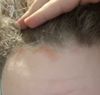
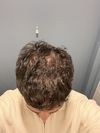
The user noticed hair thinning during COVID, tried home remedies, and then started finasteride in March and minoxidil in August. They shared progress pictures of their hairloss journey.
A user proposed genetically engineering scalp stem cells to stop androgen receptors from causing hairloss. Others discussed the feasibility, existing research, and potential issues with this approach, including targeting the correct cells and unintended effects.
A 25-year-old man with mild hairloss is using a topical finasteride treatment, biotin and ajuga reptans supplements, ketoconazole shampoo, and microneedling for hair growth. Due to a heart condition, he can't use minoxidil and is seeking alternative hair growth treatments, considering both medicinal and natural remedies like rosemary oil.
Female (37) experiencing hairloss for 5 years, tried max dose of spiro and oral + topical minox without success. Discovered low cortisol and low DHEA levels, seeking functional medicine practitioner for help.
A user plans to experiment with creating new hair follicles using methods like derma rolling, applying lithium chloride, tannic acid, and various other substances including caffeine, ketoconazole, and raspberry ketones. They also consider using anti-inflammatories, immunosuppressants, and DHT inhibitors to potentially improve results.
A user is experiencing hairloss and is using Morr F 5% Minoxidil, Finasteride Lipid Solution, ketoconazole shampoo, and biotin tablets. They seek advice on the correct application method and hair partitioning.
A user has been taking finasteride for 5 months with no improvement in diffuse hairloss and suspects high levels of prolactin, cortisol, progesterone, and DHEAS, as well as iron, might be contributing to the issue. They are also taking vitamin D to address a deficiency.
Female experiencing hairloss for 10 years used 50mg Spironolactone and 5% minoxidil with decent results. Recently had massive shedding, but blood tests were fine and still taking original medications.
The user is using finasteride, dutasteride, Nizoral, biotin, RU58841, minoxidil, Pantostin/Alfatradiol, Stemoxydine, and micro needling for hairloss. They are considering adding oral minoxidil.
18M experiencing hairloss, using finasteride and considering hair transplant. Replies suggest waiting, giving finasteride a year, and consulting a specialist.
DHT Itch and its link to balding, with various treatments such as finasteride being discussed. Members shared their experiences of scalp itch before and after taking 5AR inhibitors, and potential underlying causes such as seborrheic dermatitis were discussed.
The user is experiencing significant hair thinning and scalp discomfort after two years on finasteride and is considering switching to dutasteride. Another person suggests that scalp inflammation might be the cause and recommends a YouTube channel for more information.
Baldness is difficult to cure because current treatments like finasteride, dutasteride, and minoxidil only prevent hair shedding, and new developments are mostly ineffective. Botox shows potential in aiding skin regeneration and hair growth, but maintenance therapy with treatments like dutasteride and minoxidil may still be necessary.
Androgenetic alopecia is affected by scalp DHT levels, not sensitivity, with treatments like finasteride and dutasteride aiming to optimize these levels. Personalized DHT management is crucial for effective hair growth.
The user started losing hair at 20 and began using minoxidil. After seeing further hairloss, they switched to finasteride, causing more hair shedding. They are now using minoxidil, finasteride (topical and oral), microneedling, and ketoconazole shampoo for recovery.
The conversation is about seeking updates on new hairloss treatments, specifically mentioning scube3 and GT20029, with one person mentioning HMI_115 as showing promising results.
A 25-year-old shares progress on hair regrowth using finasteride, ketoconazole shampoo, Alpecin caffeine shampoo, and topical minoxidil, noting improved hair health but persistent temple thinning. They consider switching to oral minoxidil, adding microneedling, and possibly a hair transplant after one year.
The conversation discusses hairloss, with users suggesting treatments like ketoconazole shampoo, finasteride, and dutasteride. Symptoms like burning and tenderness are mentioned, with recommendations to see a dermatologist for potential scarring alopecia.
The user has been successfully managing hairloss for five years using oral minoxidil and finasteride. They experienced significant improvement and plan to continue the treatment without breaks to maintain results.
The user shared their journey with hairloss, using minoxidil initially, then adding microneedling and finasteride, and finally undergoing a hair transplant. They expressed regret for not using finasteride earlier due to fear of side effects and found the combination of treatments effective in the end.
A user's decision to shave their head after struggling with hairloss for seven years, and the medications and treatments they are using to attempt regrowth. They also discuss potential future treatments that may come out in the near future.
If treatments like finasteride, minoxidil, PRP, microneedling, and exosomes fail, opinions differ on using a hair system or shaving. Some choose shaving for simplicity, while others consider hair systems despite maintenance concerns.
A 24-year-old male started using finasteride and minoxidil for hairloss, noticing reduced hair fall but continued temple and frontal recession. He uses both oral and topical minoxidil, biotin, vitamin D, and coal tar shampoo, and experiences rare heart palpitations.
A 28-year-old male stopped hairloss and thickened his hair using oral dutasteride and oral minoxidil after topical treatments failed. He experienced no side effects and recommends these oral treatments for others struggling with hairloss.
A user reversed hairloss using 10% sulfur soap, which reduced scalp inflammation and possibly demodex mites. The user did not use finasteride or minoxidil, suggesting inflammation may contribute to hairloss.
The conversation is about hairloss and treatments, with suggestions to use finasteride or dutasteride as DHT blockers and minoxidil for regrowth. Oils and shampoos are considered ineffective for androgenic alopecia without these medications.
OP shares their experience with PCOS-relatedhairloss, highlighting that addressing vitamin D and ferritin deficiencies, managing hormones with spironolactone, and using gentle hair care products helped improve their condition. They advise against relying on "miracle" hair oils and emphasize the importance of medical evaluation and a combined approach to treatment.
The user is 6 months post-hair transplant and uses finasteride, oral and topical minoxidil, along with supplements like omega-3, vitamin D3, and zinc. They are experiencing significant shedding and seek advice on whether the medications are effective and if the shedding will settle.
The user managed hairloss with RU58841 and finasteride but is now experiencing graying hair, possibly due to stopping oral minoxidil. Many responses suggest embracing or dyeing gray hair, emphasizing that having gray hair is preferable to balding.