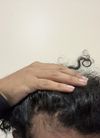
PP405, a topical LDH inhibitor, has shown to stimulate hair follicle stem cell proliferation in humans with moderate hair loss. They are advancing to more detailed trials this year.
A 48-year-old man has been using finasteride at 1mg three times a week for two years, seeing some hair regrowth but noting lighting affects appearance. He is considering adding minoxidil but is concerned about shedding.
The user underwent a hair transplant and was prescribed dutasteride and minoxidil for 6 months to address crown thinning. They are skeptical about the short duration and consider continuing the medication longer.
A 24-year-old experienced significant hair regrowth over 8 months using oral finasteride, oral and topical minoxidil, dutasteride, microneedling, and ketoconazole shampoo. They are satisfied with the results and may consider a hair transplant after one year.
Finasteride can cause gynecomastia due to hormonal imbalances. Management includes consulting an endocrinologist and using aromatase inhibitors like anastrozole or supplements like DIM and zinc.
The conversation is about a 23-year-old man's positive experience with hair regrowth using oral finasteride (1mg daily) and topical minoxidil (twice daily), with initial side effects including zero libido and watery semen that resolved except for the semen consistency. He also used dermarolling initially but stopped due to brittleness.
Piroctone olamine is more effective than ketoconazole for increasing hair growth and reducing itching and dandruff. Treatments discussed include Minoxidil, finasteride, and RU58841.
The user switched from finasteride to DIY dutasteride mesotherapy and topical minoxidil due to side effects. They report improved well-being and no hair loss worsening after stopping finasteride.
A user applies topical finasteride and minoxidil for hair loss and is concerned about the risk to his pregnant wife. It's suggested that topical treatments could be hazardous to a male fetus, and switching to oral finasteride might be safer.
A user shared their 2-year results using only 0.5mg finasteride for hair loss, noting improvement after 8-10 months and no major shedding or side effects. They are 34 years old and have avoided using Minoxidil.
The user has been using oral finasteride, minoxidil, and supplements for six months with some progress in hair loss treatment. They are considering a hair transplant and have been advised to continue the current regimen for 12-18 months, possibly adding microneedling or trying dutasteride.
The conversation is about finding reviews for a surgeon specializing in FUE hair transplant surgery. The user seeks assurance of the surgeon's quality work.
A user shared their progress after a 4,000-graft hair transplant, using finasteride (1.25 mg daily) and oral minoxidil (2.5 mg daily) for six months. They reported no side effects from the medication and noted significant improvement in hair density.
The user shared a 9+ month hair loss treatment progress with 1mg finasteride in the morning, 2.5mg oral minoxidil at night, and vitamin A spray at night, noting the importance of seeing a dermatologist early as their cousin started treatment too late for it to be effective.
The conversation discusses concerns about Dr. Rassman's topical Finasteride, specifically whether it is liposomal or glycol-based. Dr. Rassman insists on providing the correct liposomal formulation and urges patients to contact him if they receive the wrong product.
The conversation is about a user's one-year hair loss treatment using dutasteride, oral and topical minoxidil, ketoconazole, tretinoin, and PRP. Users discuss treatment effectiveness, potential issues with diffuse thinning, and sourcing affordable treatments.
The conversation discusses the effectiveness of anti-androgens for hair loss, with a preference for topical treatments like RU58841 over oral options due to better scalp concentration and fewer side effects. Topical finasteride at 0.1% may provide some results, especially when combined with a topical androgen receptor antagonist like RU58841.
The user "baselinesims" shared their progress in treating hair loss using 1mg oral finasteride, 1ml topical minoxidil, 0.5ml topical dutasteride, keto shampoo, cosmerna, and micro needling. They are happy with the progress so far, with diffuse thinning being taken care of and baby hairs showing up. They plan on getting a hair transplant in the future. Other users commented on the improved appearance and mentioned that the lighting in the photos may affect the comparison.
A 36-year-old man shared his 1.25-year progress using oral finasteride, oral minoxidil, RU58841, microneedling, nizoral, and LLLT for hair regrowth. He is thrilled with the results and considering a hair transplant for increased density.
The user increased their steroid dosage and noticed hair shedding, so they adjusted their regimen by reducing steroid doses and adding oral dutasteride. They are also experimenting with combining RU-58841 and KX-826/pyrilutamide in minoxidil to address hair loss.
A user switched from topical to oral finasteride (0.5mg daily) and continued using topical minoxidil, seeing significant improvement in hair loss over four months. The user is pleased with the results, especially on the crown, and notes that hairline recession has stopped.
PP405 cannot restore extracted hair follicles after a transplant as they are removed, not dormant. Combining verteporphin with wounding and PP405 is suggested but not confirmed effective.
The conversation discusses switching from oral to topical treatments for hair loss, specifically using a mix of retinoic acid, finasteride, and minoxidil, after oral treatments like dutasteride and finasteride were ineffective. The user is concerned about the cost and potential impact of dandruff on the absorption of topical treatments.
An 18-year-old experiencing aggressive hair loss is considering whether to obtain a finasteride prescription through an online consult to save money instead of visiting a dermatologist. The user is seeking advice on the cost-effectiveness of these options.
Bimatoprost, latanoprost, and travoprost can aid hair regrowth but are costly and less effective than minoxidil. They work best when combined with minoxidil and finasteride.
The user has seen significant hair regrowth after one year using 1mg oral finasteride and 5% topical minoxidil, considering a hair transplant if progress stalls. They experienced an initial shedding phase and temporary erectile dysfunction, but no other side effects.
The user observed some regrowth and longer baby hairs after one month of using finasteride, despite experiencing increased shedding. They noted no side effects except for clear semen.
Transgender hormone therapy, including Estradiol Valerate, Spironolactone, and Progesterone Micronized, can reverse male pattern baldness and improve hair health. The user shares their positive experience with hair regrowth after transitioning from male to female.
A user's 2-year experience with Minoxidil and Finasteride as a treatment for hair loss, including the costs involved and potential side effects. Other users shared their experiences and asked questions about their own use of these treatments.
The user treated hair loss with a combined topical solution of Minoxidil and Finasteride, adjusting the dosage over time. They documented progress with photos, focusing on consistent application to sensitive scalp areas.