2 year progress on fin and minox Progress Pictures 5/29/2020
A user's 2-year experience with Minoxidil and Finasteride as a treatment for hair loss, including the costs involved and potential side effects. Other users shared their experiences and asked questions about their own use of these treatments.
View this post in the Community →
Similar Community Posts Join
6 / 1000+ resultscommunity 31M. Just diagnosed with androgenic alopecia. Fears of min.
A 31-year-old man with androgenic alopecia is considering treatments like finasteride, minoxidil, and ketoconazole shampoo but is worried about finasteride's side effects. Users recommend starting with finasteride or dutasteride for DHT blocking, suggesting topical solutions to reduce side effects.
community Androgenetic alopecia is a skin disease: DHT-mediated skin disorders
Dihydrotestosterone (DHT) impacts various skin conditions, including Androgenetic alopecia and seborrheic dermatitis, by causing overactivity in sebaceous glands. Topical medications Tacrolimus and Clobetasol can reduce these inflammatory conditions, and treatments like RU58841, Minoxidil, and Finasteride may also be beneficial.
community 21M with Temple Hair Thinning: Is My 5% Minoxidil + 0.1% Finasteride + Dutasteride Prescription Normal?
A 21-year-old male experiencing hair thinning and shedding was diagnosed with androgenetic alopecia and prescribed a topical solution containing 5% minoxidil and 0.1% finasteride, multivitamins, and 0.5mg dutasteride daily. He seeks confirmation on whether this prescription is typical for his condition.
community any news about DUPA (Diffuse unpatterned alopecia)?
The conversation discusses diffuse unpatterned alopecia (DUPA) and its possible causes, including sensitivity to DHT, not being androgenic alopecia, being diffuse alopecia areata, or hormonal issues. Treatments mentioned include topical melatonin, Clobetasol Propionate for alopecia areata, and the lack of results from using finasteride, dutasteride, and minoxidil.
community COMPLETE OVERVIEW of the Treatment of androgenetic alopecia in men
Male androgenetic alopecia is commonly treated with topical minoxidil and oral finasteride, both requiring continuous use. Other options include hair restoration surgery, dutasteride, light therapy, and camouflaging agents.
community A concise, easy-to-understand post on Androgenic Alopecia theory and its practical applications
The mechanism of Androgenic Alopecia and practical applications of treatments like Minoxidil, Finasteride, RU58841, dermarolling, scalp massages, anti-fungals, progesterone, estrogen, PPAR-γ activators, reducing oxidative stress, and scalp exercises. It explains why DHT is important in AA and how other factors might be involved such as hypoxia, increased DKK-1 expression, morphological changes to the scalp, skull growth during childhood/puberty, and blood flow.
Related Research
6 / 1000+ results
research Comparing Current Therapeutic Modalities of Androgenic Alopecia: A Literature Review of Clinical Trials
Some treatments for hereditary hair loss are effective but vary in results and side effects; new therapies show promise but need more research.
research Topical Finasteride: A Comprehensive Review of Androgenetic Alopecia Management for Men and Women
Topical finasteride might be a good alternative for hair loss treatment with fewer side effects, but more research is needed.
research Astragalus membranaceus and Cinnamomum cassia Stimulate the Hair Follicle Differentiation-Related Growth Factor by the Wnt/β-Catenin Signaling Pathway
The YH complex, made from Astragalus membranaceus and Cinnamomum cassia, may help treat hair loss by promoting hair growth and follicle development.
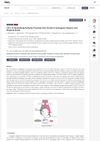
research CXCL12 Neutralizing Antibody Promotes Hair Growth in Androgenic Alopecia and Alopecia Areata
Blocking the protein CXCL12 with a specific antibody can increase hair growth in common hair loss conditions.
research Hair Thickness Growth Effect of Adenosine Complex in Male-/Female-Patterned Hair Loss via Inhibition of Androgen Receptor Signaling
Adenosine complex helps increase hair thickness and density in hair loss.
research The medicinal activity of lyophilized aqueous seed extract of Lepidium sativum L. in an androgenic alopecia model
The seed extract of Lepidium sativum L. can potentially treat hair loss, showing effects similar to 5% minoxidil.