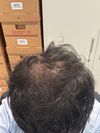
The user is experiencing hair regrowth using finasteride, minoxidil, and KX-826. They regret not starting treatment earlier but are now seeing progress.
A user is exploring Kadeso, a product with Capilia Longa™ for hair regrowth, and seeks real-world experiences, comparing it to Minoxidil and Finasteride. They are interested in results, timeframe, side effects, and the credibility of the product's founder.
The user is using biotin, pumpkin seed oil, saw palmetto, green tea, Minoxidil, Nizoral shampoo, and derma rolling to combat hair loss but is hesitant to use finasteride due to potential side effects. Others suggest that without finasteride or dutasteride, the natural approach is unlikely to be effective long-term.
The user reported significant hair regrowth and thickening after 5 months using finasteride, minoxidil 5%, biotin, and derma stamping. They experienced some fatigue but no sexual side effects and plan to continue the treatment.
The user is using a hair loss treatment regimen that includes RU58841, minoxidil mixed with finasteride, adenosine, dermarolling with lidocaine cream, and biotin. They are questioning if they are dermarolling too aggressively and are willing to accept baldness if no improvement is seen in 6 months.
Recruitment for a verteporfin trial and a separate hair cloning trial using verteporfin and other methods is underway, with locations in Jordan, NYC, Beverly Hills, and Memphis. Dr. Bloxham is conducting the hair cloning trial, and interested participants are encouraged to contact him directly.
SCUBE3 is a promising new molecule that can restart hair growth by reawakening dormant hair follicles. Users express skepticism about its availability timeline, with some hoping for release by 2026.
Whey protein and BCAAs may increase testosterone levels, potentially accelerating hair loss, but opinions vary on their impact. Some users suggest monitoring diet and hair health, while others believe the effect is minimal compared to DHT's role in balding.
A user shared their hair regrowth progress, attributing success to a consistent routine using finasteride, hair growth oil, Hims shampoo, a derma roller, and 5000 mcg biotin pills. They emphasized the importance of representation for people with similar hair types and encouraged others to stick with their treatment plans.
A 35-year-old man, balding since 18, has seen growth of small, almost white hairs all over his scalp after 1.5 months on oral finasteride and minoxidil. Users suggest sticking with the treatment for a year, adding microneedling, and potentially trying RU58841 or dutasteride.
Finasteride is recommended for hair loss, while biotin is considered ineffective and unnecessary. Minoxidil is also suggested, and biotin pills are preferred over injections due to cost and absorption concerns.
The conversation is about identifying ingredients in a scalp serum and their effects on DHT levels. The serum contains various ingredients like Aqua, Biotin, and Oleanolic Acid.
Hair loss therapies focusing on hair follicle sugar metabolism and aldose reductase. Potential treatments include magnesium supplements, avoiding high glycemic index foods, and antioxidants.
The user has been taking 1 mg of finasteride daily for four months and is questioning if they are experiencing hair regrowth, as suggested by their barber. Another user suggests taking better photos to assess the crown area more clearly.
Progress (in a good way). How often did you take biotin?
KarensAnon: I took biotin once daily.
KarensAnon has made 3-month progress with the use of Minoxidil foam, 0.5mm micro-needling weekly, and biotin to combat hair loss which had started at age 19. They plan to further their treatment by adding finasteride soon.
Caffeine intake may increase DHT levels, but its impact on hair loss is minimal compared to genetic factors. Excessive caffeine can cause health issues, and its effects on hair loss are not directly applicable to humans based on rat studies.
Elevated PGD2 levels in bald scalp tissue may contribute to hair loss, and treatments like castor oil, finasteride, and minoxidil are discussed as potential solutions. Some users explore alternatives like oral castor oil and cetirizine for those who cannot use finasteride.
Concerns about CosmeRNA safety mechanisms and potential side effects. Discussion includes comparisons to Fluridil and questions about nanoparticle specificity and siRNA stability.
A user's experience with using 5AR inhibitors (Finasteride and Dutasteride) in combination with Minoxidil foam and microneedling, which resulted in substantial improvements to their crown density and hairline, despite high systemic levels of testosterone and dihydrotestosterone.
Sons offers free Biotin capsules, Thickening Clay, or Conditioner to UK men for hair care testing. Interested individuals can apply online to receive these products.
A 24-year-old male shares his two-month progress on hair regrowth using 0.5mg Dutasteride, 2.5mg Minoxidil, 10mg Biotin, and Ketoconazole shampoo, noting significant crown improvement. Users discuss the effectiveness of oral Minoxidil, with some expressing skepticism about photo angles and the necessity of Biotin unless deficient.
Pelage is moving to Phase III clinical trials for PP405, a hair loss treatment, with results to be presented at a medical meeting. Users express skepticism and hope, comparing it to existing treatments like Minoxidil and finasteride, while discussing the potential for new hair growth in previously bald areas.
The conversation discusses the delay in the PP405 Phase 2 study results, now expected by the end of 2025, and skepticism about research practices. There is also mention of optimism for Amplifica's AMP303 and a topical treatment in early testing.
The conversation discusses skepticism about the effectiveness of scalp tension theory and scalp massagers for hair regrowth, contrasting it with treatments like finasteride and minoxidil, which have more user-reported results. Participants question the belief in scalp tension theory, suggesting it may be a marketing tactic, while others argue for a multifactorial approach to hair loss.
The user reported noticeable hair regrowth after one month using biotin, zinc, RU58841, finasteride, minoxidil, micro-needling, and oils like rosemary, castor, and argan. They experienced no side effects from oral minoxidil and finasteride, and they apply topical minoxidil twice daily.
OP experienced thicker hair and less shedding with Nutrafol Women’s Balance but had flushing due to ingredients, and is considering switching to Viviscal Pro with saw palmetto. A user shared that Viviscal increased shedding for both him and his girlfriend, and suggested stopping Nutrafol if the hair loss is due to Telogen effluvium.
The post and conversation are about the role of the enzyme 3alpha-hydroxysteroid reductase in hair loss and the potential of compounds like procyanidin B2 and sulforaphane to boost its activity for hair regrowth. Further research is needed to develop effective treatments based on this theory.