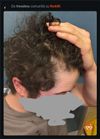
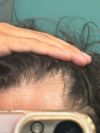
An 18-year-old is concerned about hair thinning and is considering starting Minoxidil and finasteride. They are seeking advice on whether to begin these treatments.
A 25-year-old noticed thinning hair at the temples and started using finasteride (1mg/day) for two months, along with keto shampoo twice a week and vitamins like vitamin D, biotin, and zinc. They are seeing some results and are hopeful about regaining lost hair.
A 30-year-old man is considering quitting Finasteride due to sexual side effects, including reduced libido and difficulty reaching orgasm, despite its effectiveness in treating hair loss. He is exploring other factors like relationship issues and potential low testosterone, and is considering getting blood work done.
A 21-year-old expresses feeling alone and invalidated in his struggle with hair loss, seeking empathy from others. Some users share similar feelings, while one mentions making progress with dutasteride and minoxidil treatments and considering a hair transplant.
Experiencing continual nonstop hair loss despite using dutasteride for 9 months, and the possible causes behind it being discussed such as nutritional deficiencies, elevated cortisol, vitamin D deficiency or other problems. Other solutions such as minoxidil and finasteride have been suggested.
Creatine may affect hair loss by reducing PGE2 levels, which could influence hair growth. The discussion highlights the need for more research on this potential mechanism.
A 12-year-old diagnosed with alopecia shares their experience and current treatments, including Dermovate, an unnamed cream, and liquid iron. The community offers support and encouragement.
The regimen for hair loss includes topical finasteride, clascoterone, tretinoin, minoxidil, oral saw palmetto, beta-sitosterol, vitamin D, microneedling, and anti-fungal shampoo. Expected benefits are increased hair growth and density, with considerations for potential skin irritation and interactions between treatments.
Hair loss can be linked to low testosterone, affecting DHT and estrogen levels. Treatments discussed include increasing testosterone, using Finasteride, and applying estrogen cream.
The user experienced a significant drop in libido and energy after taking saw palmetto, which they believe caused these changes. They are seeking advice and reassurance, with some users suggesting that the effects may not be permanent and could improve over time with a healthy lifestyle.
A 19-year-old is experiencing hair loss and shedding despite using Dutasteride and topical Minoxidil for six months. They are concerned about potential infections like folliculitis and are considering stopping the treatments due to stress and hair loss from various areas, including eyebrows and eyelids.
Mooseman1944 noticed hair regrowth and less shedding during the first 6 months of taking finasteride, but is now experiencing increased shedding and thinning hair. They are considering switching to dutasteride or adding minoxidil if there's no improvement by next August.
The user experienced side effects like shallow breathing, loss of libido, and erectile issues after using topical finasteride with minoxidil for hair loss. They are considering whether to continue the treatment despite these side effects.
The user experienced a sudden decrease in hair density after starting alfatradiol while already using finasteride. Another user mentioned that initial shedding can occur with hair loss treatments, but it may not last long.
Hair loss treatments discussed: Minoxidil, Finasteride, RU58841, and Spironolactone. Woman with androgenetic alopecia and alopecia areata shares experience using Spironolactone.
The user experienced bladder and prostate discomfort after taking finasteride and stopped the medication, but symptoms returned upon resuming at a lower dose. The doctor suggested trying dutasteride as an alternative.
Oral minoxidil may require potassium for effectiveness, and diuretics taken for water retention might affect this process. The user plans to start taking potassium to address potential issues with minoxidil's effectiveness.
The user experienced hair density loss after increasing finasteride dosage from 3x to 7x a week. It was suggested that this might be a temporary adjustment issue, and adding minoxidil could help.
The user experienced worsening hair loss despite using finasteride, minoxidil, and microneedling. Suggestions included reducing microneedling frequency, switching to oral minoxidil, adding tretinoin, and considering dutasteride.
The person is experiencing sudden hair loss for six months and treatments like dutasteride, minoxidil, and vitamins are not working. Another person suggests the hair loss might not be androgenetic alopecia but could be telogen effluvium or an inflammatory condition.
The conversation provides a detailed list of blood tests recommended before starting finasteride to establish a baseline for monitoring potential side effects. A shorter list is also provided for those with limited funds, and the user shares personal experience of using finasteride without issues for about nine years.
A 17-year-old is stressed about mild male pattern baldness and is considering treatments like minoxidil and finasteride but is concerned about starting finasteride too young. Users suggest starting with minoxidil and considering finasteride at 18, while emphasizing the importance of consulting a doctor and not obsessing over hair loss.
A male in his thirties with a Norwood 2 hairline questions if gym gains and supplements like creatine cause hair loss. Responses suggest that while exercise can slightly increase testosterone and DHT, genetics primarily determine hair loss, and treatments like finasteride are recommended for DHT control.
The user is taking 2.5 mg dutasteride and 5% minoxidil but is not seeing hair regrowth, and is considering adding RU58841. They are experiencing fatigue and low MCV/MCH, possibly related to dutasteride, and are advised to be patient, consider microneedling, and check for iron deficiency.
A 20-year-old is experiencing severe diffuse thinning and shedding despite using oral minoxidil for 12 months and dutasteride for 8 months, after previously trying finasteride. They are frustrated with the lack of improvement and considering trying RU58841.
Some people don't see results with FDA-approved hair loss treatments like finasteride or minoxidil due to underlying issues. The video suggests addressing these issues, especially if there are atypical symptoms or other health conditions.
A 27-year-old woman experiencing significant hair loss is using spironolactone, Nizoral shampoo, and betamethasone valerate. She questions the effectiveness of these treatments and whether she should seek another dermatologist.
A user is experiencing uneven hair thinning and has tried topical minoxidil without success and finasteride with adverse effects. They are considering microneedling and PRP treatments while avoiding finasteride, and another user suggests trying dutasteride as an alternative.
A male with early-stage hair loss experienced severe side effects, including sexual dysfunction from finasteride and increased heart rate and fatigue from high-dose minoxidil, leading to discontinuation of both treatments. He is now relying on DHT-blocking shampoos and awaiting new treatments.