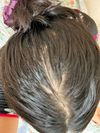
The user is using minoxidil and finasteride to treat hair loss and is concerned about shedding and potential aggressive hair loss. They noticed some regrowth in trichoscopy pictures but are unsure about real-life changes.
After jaw surgery caused intense hair shedding and scalp itch, using pyrilutamide significantly reduced these symptoms. It's suggested to test pyrilutamide for authenticity before use, despite positive personal experience with the product from MV Supplements.
A user is using a Finoxidil topical spray and is curious if oral Finasteride would be more effective, considering they are already on a DHT blocker called Cyproterone. They are concerned about the potential impact of oral Finasteride on their transition.
The user has been taking oral finasteride for 2 months, experiencing more hair loss but noticing some fuzzy hair growth on the scalp. They are questioning if this new hair growth is significant.
The conversation is about a person considering participating in a study for Clascoterone, a topical cream for hair loss, and seeking advice on potential side effects. They have mild hair loss and are not currently using other treatments like finasteride.
The conversation discusses changes in scalp texture and appearance in areas of hair loss, with concerns about the suitability of these areas for hair transplants. Users mention issues like fibrosis, inflammation, and thinner skin, advising caution and consultation with clinics before proceeding with transplants.
Potential success with the hair loss treatment Pyrilutamide, and possible group buying opportunities for it along with other treatments such as Finasteride and Minoxidil.
The user started using topical minoxidil daily, finasteride every other day, and ketoconazole shampoo twice a week, along with a dermaroller. They reported progress but experienced some erection difficulties, likely due to finasteride.
A user experienced severe side effects from finasteride, including mental health issues and physical symptoms, and sought advice on managing post-finasteride syndrome. Suggestions included checking vitamin levels, considering dopamine agonists, and avoiding further psychiatric medications.
A 23-year-old male shared his 4-month progress using a topical spray with 0.3% Finasteride, 7% Minoxidil, 2.2% Ketoconazole, and 0.2% Biotin, along with microneedling. He noticed new hair growth on his temples and experienced initial shedding, with no significant side effects after the first month.
The user is experiencing hair loss and is using finasteride while addressing low ferritin and copper levels. They are concerned about continued hair shedding and are advised to correct vitamin deficiencies and wait for finasteride results after 12 months.
Ketoconazole shampoo helps with dandruff and may support hair health, but users report mixed results for hair regrowth. Some users find better results with separate prescriptions of minoxidil and finasteride rather than using Hims' combined chews.
A 22-year-old is experiencing hair loss, particularly fuzzy hair in the front, and is concerned about male pattern baldness. Treatments mentioned include Propecia (finasteride), minoxidil, PRP treatments, dermarolling, peppermint oil, and apple cider vinegar.
Topical finasteride in a liposomal formulation reduces systemic absorption compared to ethanol solutions. The user is seeking sources for such products, noting that popular options like morr-f are not liposomal.
The user is considering topical Saw Palmetto or Pumpkin Seed Oil due to sensitivity to finasteride and cost issues. They also use dermastamping for Minoxidil absorption and seek advice on timing to avoid systemic absorption.
A 16-year-old diagnosed with male pattern baldness (MPB) was prescribed hair vitamins, vitamin D, a non-ketoconazole shampoo, and redenysl + serum, with a suggestion for GFC or IHRF treatments. Some users recommended minoxidil, ketoconazole, and derma stamping, while others advised against certain treatments until the age of 18.
The conversation discusses hair loss treatments, specifically mentioning Spiro, Min, Fin, and RU. It highlights that Spiro is generally for women and can affect men's hormonal balance.
The user is experiencing diffuse hair thinning after 8 months on topical finasteride and 11 months on minoxidil, and is considering switching to oral finasteride due to lack of effectiveness. They also mention scalp itchiness and use of a 1% ketoconazole shampoo.
Hair loss can be influenced by chronic low-level allergies, and treatments like fexofenadine or topical cetirizine may help with regrowth. The user avoids finasteride, dutasteride, and minoxidil, and has tried Regenera Activa and PRF sessions.
A poem humorously suggests hope for a new hair loss treatment, PP405, while users debate the effectiveness and side effects of current treatments like Finasteride. Concerns are raised about Finasteride's side effects, especially for young users, and skepticism about new treatments is expressed.
The conversation is about a user's progress in treating diffuse hair thinning using a topical regimen including finasteride, minoxidil, ketoconazole, microneedling, saw palmetto, collagen, and vitamins, along with lifestyle changes. The user plans to switch from topical to oral finasteride for potentially better results.
Hair loss discussion focuses on adding an anti-androgen to stack with topical finasteride. Eucapil (fluridil) is suggested for its safety and minimal side effects.
The post is an update on the user's hair loss journey. They have a strong hair follicle that has remained unaffected by hair loss for almost 3 years. The user is starting finasteride and using ketoconazole, alfatradiol, and oral castor oil for hair maintenance.
A user shared their experience with a hair transplant, emphasizing the importance of avoiding caffeine 7 days before the procedure. Ignoring this advice led to reduced effectiveness of the numbing agent, causing significant discomfort during the transplant.
The conversation discusses the potential of topical rapamycin, metformin, and alpha-ketoglutarate (a-KG) for hair growth, with skepticism expressed about their effectiveness based on personal experience and existing use. It also mentions AICAR, known as cardarine or GW, which is not suitable for long-term use due to cancer risks in animal studies and its similarity to metformin.
The conversation is about the difficulty of applying both pyril and min/fin to treat hair loss twice daily and whether combining them yields positive results.
A user is seeking a Ketoconazole shampoo in Spain to complement their hair loss treatment, which includes Minoxidil, Finasteride, and Biotin. They previously used Alpecin and are now looking for recommendations on Amazon.
Taurine shows potential in combating hair loss caused by chemical stress, especially when combined with other treatments like finasteride. Finasteride demonstrated better stress-reducing effects in the study.
The conversation is about a hair loss treatment regimen that includes finasteride, dutasteride, oral minoxidil, Dermapen, quercetin, N-acetyl L-cysteine, biotin, millet seed extract, MSM, OPC, green tea extract, high-dose vitamins B1-B12, boron, and silica. The user is seeking advice on additional treatments.