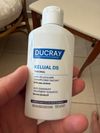
Astaxanthin may cause increased hair shedding, affecting even transplanted hair and eyebrows. The user has tried various treatments for androgenic alopecia, including minoxidil, finasteride, and RU58841.
The post and conversation discuss the link between DHT (a hormone), scalp itchiness, and hair loss. Some users share their experiences and treatments, including the use of fluconazole, corticosteroids, and ketoconazole shampoo, with one user suspecting minoxidil as a potential cause of their symptoms.
The conversation is about the accidental taste of Nizoral shampoo, which contains ketoconazole, during hair washing. Specific hair loss treatments mentioned are Minoxidil, Finasteride, and RU58841.
A user shared their positive experience with a hair transplant at Smile Hair Clinic, using treatments like oral finasteride, minoxidil, and dutasteride. They reported no side effects, significant improvement in hair density, and satisfaction with the results.
The user is experiencing scalp irritation and increased hair loss while on vacation, possibly due to hard water and sun exposure. They have stopped using a minoxidil and finasteride spray due to burning sensations and are using a prescribed betamethasone and salicylic acid solution along with ketoconazole shampoo.
The conversation is about the lack of updates on GT20029, a potential hair loss treatment, and the user considering using dutasteride or RU58841 instead of minoxidil/finasteride due to the long duration of the latter treatments.
Koshine is considered less effective than finasteride, dutasteride, and RU58841 for hair loss treatment. One user reported positive results with Koshine, but others found it ineffective.
The conversation discusses whether Pyrilutamide from Koshine is different from Anageninc and if it's effective for hair loss. It also questions if sticking to RU58841 would be better.
A user reports high DHT levels despite taking finasteride and is concerned about inconsistent blood test results. They also take modafinil, vitamin D, and magnesium supplements.
User experienced hair thickening with pyri but also side effects like reduced sex drive. Stopping pyri and returning to CB restored sex drive, suggesting pyri may go systemic or be incorrectly formulated.
The conversation humorously discusses hair loss treatments, mentioning Minoxidil, finasteride, and RU58841. It suggests that affordable genetic therapy could be the ultimate solution.
The conversation is about a user trying a new hair loss treatment, Ruxolitinib, alongside their existing regimen of finasteride, minoxidil, ketoconazole shampoo, and microneedling. They plan to apply Ruxolitinib to their temples daily for 1-2 months.
A person with hair loss since COVID-19 is considering treatments like finasteride and minoxidil but is hesitant due to potential side effects. Suggestions include visiting a dermatologist, using a ketoconazole shampoo, and considering that post-COVID hair loss might be an autoimmune response.
The user has been using finasteride for almost two years but is considering switching to dutasteride and is curious about adding RU58841. They decide to stick with dutasteride due to concerns about RU58841's safety.
A 33-year-old man experienced diffuse thinning and hair shedding due to sleep deprivation and low testosterone. After starting hCG treatment, he noticed hair regrowth on his temples.
The conversation discusses using GHK-Cu for hair loss, with one user suggesting subcutaneous administration for better control. The effectiveness of topical application is questioned due to a lack of reliable reviews.
The user experienced scalp irritation from a Finasteride and Minoxidil spray and serum. They are considering switching to foam, oral treatments, or another provider.
A potential non-invasive topical treatment targeting the WNT Signaling Pathway for hair regeneration is being researched, with positive results on human hair follicle cells. Current effective treatments for hair loss include Minoxidil, finasteride, and hair transplantation.
Finasteride is not linked to a 60% risk of persistent sexual dysfunction; this figure applies only to those already experiencing sexual issues. Most users do not have side effects, and the study's methodology is criticized for selection bias.
A user diagnosed with Alopecia Areata started using Litfulo (ritlecitinib), kenalog shots, and mometasone furoate 0.1%. They shaved their head and are seeking others' experiences with Litfulo.
Concerns about CosmeRNA safety mechanisms and potential side effects. Discussion includes comparisons to Fluridil and questions about nanoparticle specificity and siRNA stability.
A user's six month progress with Pyrilutamide, a hair loss treatment; they experienced positive results such as stopped itching and shedding, as well as regrowth, without any side effects.
A 28 year old using a hair loss prevention protocol to restore thinning hair, which includes finasteride, dutasteride, minoxidil, stemoxydine, alopecin, nizoral shampoo and microneedling; the user is now adding pyrilutamide solution to the regimen with the hope of improving their results. RU58841 was also ordered but not yet used.
An 18-year-old in India is seeking a dutasteride prescription for aggressive hair loss, as family members are bald by age 20. Local doctors advised against it, so they are considering using Indian telemedicine apps for a prescription.
KX-826 combined with minoxidil significantly increases hair growth compared to minoxidil alone for treating male androgenetic alopecia, with no unexpected safety concerns. Users discuss various hair loss treatments, including KX-826, minoxidil, finasteride, and RU58841, sharing personal experiences and sourcing information.
Users discussed using GHK-Cu and AHK-Cu peptides with microneedling for hair loss, noting some small changes after 7-8 weeks. They mentioned continued shedding but no widening of the part.
Pyrilutamide is being discussed as a potential hair loss treatment, but opinions are mixed, with some users skeptical about its effectiveness and the company's credibility. Some users report combining pyrilutamide with other treatments like dutasteride and microneedling, noting improvements, while others remain doubtful.
New hair loss treatments, including Breezula, VDPHL01, and PP405, are nearing Phase 3 trials, offering hope for effective solutions. Current treatments like finasteride and minoxidil remain effective, but early intervention is crucial.