Lab-grown hair using iPSCs is being explored, but practical applications are limited. Finasteride is suggested as the only current effective treatment.
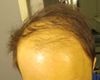
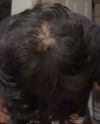
User experienced feminizing side effects from finasteride and tried RU, alfatradiol, and finasteride without success. They are now considering treatments like Stemoxydine, Zix, Minoxidil, Dermarolling, Eucapil, and a hair transplant.
A user shared progress pictures showing hairline improvement after 2 years of using topical Minoxidil, 1mg oral Finasteride, and sporadic microneedling. Another user praised the progress and shared mutual encouragement.
The user shared their positive experience with a hair transplant in South Korea, highlighting thorough consultations, consistent medical team involvement, and reasonable pricing. They noted good growth and natural-looking results after several months, with stem cell PRP treatment included to support graft survival.
The post and conversation are about a user's 3-month progress using Minoxidil, Finasteride, Nizoral shampoo, and derma-rolling for hair loss. The user reports noticeable improvement in their hairline.
A 34-year-old woman is experiencing diffuse hair loss and irregular periods, possibly due to long-term spironolactone use. She is considering minoxidil and finasteride for treatment and seeking medical advice for androgenic alopecia and hormonal imbalances.
The conversation discusses a user's hair regrowth over three years using Minoxidil, Finasteride, and a hair transplant, along with Biotin supplementation. Some users question the authenticity of the results and the organization of the before-and-after photos.
The user experienced hair thinning and was diagnosed with alopecia incognito and male pattern baldness. They are using minoxidil, finasteride, and dutasteride scalp injections, reporting gradual improvement with no side effects.
Hair regrowth after chemotherapy varies; some experience thinner or differently colored hair, while others may see fuller regrowth. Treatments like essential oils, vitamins, and lifestyle changes are discussed, but no specific medications like Minoxidil or Finasteride were used by the original poster.
A user shared their 9-month post-hair transplant results with 4600 grafts, using only Nourkin hair vitamins, Vitamin D, and B12, and expressed satisfaction. The replies debated the necessity of medications like finasteride and minoxidil for maintaining hair health.
Dr. Tsuji and Riken announced a hair cloning cure with a 98.9% success rate, expected to be released in 10 years. Users expressed hope and skepticism about the affordability and timeline of the treatment.
The user is concerned about having a straight, low hairline after a hair transplant and is unable to take finasteride due to high estrogen and prolactin levels. They have used minoxidil with limited success and are considering further transplants to lower the hairline, while others suggest the risks of using up donor hair too quickly.
The user has low testosterone and DHT levels and is considering taking finasteride for Norwood 2 hair loss with diffuse thinning. They are seeking advice on whether low DHT indicates high sensitivity to DHT in the scalp and opinions on their lab values.
A 27-year-old male experienced rapid hair loss after dengue fever, which activated a balding gene. The doctor suggested platelet-rich plasma treatment for hair regrowth.
ET-02 (RS 5441) shows promising results for hair growth, performing better in humans than in mice. There is debate over the effectiveness compared to minoxidil, with some users wanting more detailed data.
The user is applying topical finasteride with stemoxydine for hair loss and has noticed hair thickening but no regrowth after two months. They also report high SHBG and prolactin levels and a lack of morning erections, even on low doses of medication.
A 17-year-old is considering finasteride for a receding hairline and seeks advice. Suggestions include starting with low-dose finasteride, trying dermarolling and Minoxidil, and consulting a physician.
A 12-year-old diagnosed with alopecia shares their experience and current treatments, including Dermovate, an unnamed cream, and liquid iron. The community offers support and encouragement.
PP405 (Everychem 3HP) may help with hair regrowth, with mixed user experiences. Users often combine it with minoxidil and finasteride, but there are concerns about its efficacy and side effects.
The conversation confirms that to make a 5% RU58841 solution, 1.5 grams should be added to 30 mL of KB Solution. The discussion involves calculating the correct dosage for hair loss treatment.
An 18-year-old has been using minoxidil and finasteride for hair loss since age 15, recently adding dutasteride and GHK-Cu, but sees no significant improvement and is considering a hair transplant. Concerns are raised about using hormone suppressors at a young age, with suggestions to explore other treatments like dermarolling, diet changes, and checking for deficiencies.
The conversation discusses recommendations for Vitamin D3 supplements for hair health. Specific treatments mentioned include Minoxidil, finasteride, and RU58841.
A user questioning if they've lost any hair between 2020 and 2023 without using any treatments. They also inquire if a doctor can determine hair loss just by looking, recalling a past suggestion of platelet rich plasma treatment.
The post discusses the completion of the HMI-115 Australian Phase 1 Trial for hair loss treatment. The user speculates about the potential early release of the trial results.
A 33-year-old male is starting treatment with oral dutasteride and topical minoxidil for hair regrowth. He is concerned about his receding hairline and hopes for some improvement despite years of balding.
A 28-year-old male experienced significant hair regrowth over 8 months using 1.25mg of finasteride daily, without minoxidil or micro needling. He also took vitamin D3, K2, magnesium, and a B100 complex, reporting increased libido as a side effect.
The conversation is about future hair loss treatments. Current treatments mentioned include finasteride, minoxidil, and RU58841, with potential future treatments like GT20029, TDM-105795, JW0061, and follicle cloning.
A 16-year-old noticed hair thinning on the crown and sides of the head, with minimal temple thinning. After using Minoxidil for 6 months, some areas improved, but the crown worsened, and they seek advice on the irregular hair loss and treatment options.
The user experienced hairline improvement using microneedling once a month with a 12-pin set at 1.5-2.0mm and taking Tru Niagen, alongside a heavily modified diet. They attribute the slow hairline improvement to environmental factors, particularly diet, rather than solely genetic factors.
PP405, a topical LDH inhibitor, has shown to stimulate hair follicle stem cell proliferation in humans with moderate hair loss. They are advancing to more detailed trials this year.