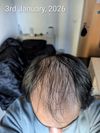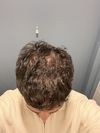
Using a routine of 5% minoxidil, microneedling, and tretinoin for hair loss. The user seeks advice on the ideal weekly schedule for applying these treatments.
miR-205, a tiny RNA, can stimulate hair growth by softening aging hair follicle stem cells in mice. Future tests aim to see if this can work in humans.
The user noticed hair regrowth after 4 years of hair loss, coinciding with lifestyle improvements like quitting smoking, exercising, and a better diet. They are curious if dormant follicles can recover under improved conditions.
An 18-year-old male plans to start using minoxidil (5mg foam) and finasteride for hair loss. He is concerned about the effectiveness of using minoxidil once a day instead of the recommended twice daily.
The user resumed using topical finasteride after a two-week break and will update on side effects like water retention and gynecomastia in a month. They are also starting DIM and zinc.
A 22-year-old man has been using topical melatonin for a year to slow hair loss and it appears to be effective. He's seeking alternatives to finasteride due to potential side effects, and is interested in understanding how melatonin works to prevent hair shedding.
Hair loss changes are typically noticed over months or years, not days, and treatments like finasteride, dutasteride, and minoxidil require time to show effects. People often overreact to daily shedding, but realistic expectations and patience are necessary for hair regrowth treatments.
The conversation discusses combining topical cetirizine with minoxidil for hair loss treatment and inquires about the safety and absorption through the skin, as well as the possibility of adding melatonin.
The user is experiencing a lack of morning erections after using 0.5mg of finasteride every other day for two weeks and is considering whether to reduce the dose, continue, or stop. The discussion focuses on adjusting finasteride dosage due to side effects.
A user tried topical melatonin for hair loss and experienced significantly reduced shedding, similar to when they used finasteride, but stopped finasteride due to side effects. They applied liquid melatonin from a dropper and noticed a decrease in hair fall within two days.
The conversation is about finding the best method to lower scalp prolactine, with suggestions like P5P and Melatonin. The user also mentions HMI115 as a potential treatment and seeks feedback from those who have tried these methods.
A user shared their 2-month progress on finasteride 1mg daily and weekly derma rolling, showing noticeable hair regrowth. Replies confirm visible improvement, though some attribute it partially to lighting.
The conversation is about a user's one-year hair regrowth progress using 1.25mg of finasteride daily. Users are asking about the timeline of visible progress, the user's age, and whether they experienced shedding.
The conversation discusses hair loss treatments, focusing on a new slow-release oral minoxidil compared to topical minoxidil and finasteride. The results show that twice-daily dosing of the new treatment is slightly more effective than once-daily, but concerns about cost, side effects, and the accuracy of reported results remain.
The conversation discusses hair loss treatments, including the use of minoxidil, finasteride, dutasteride, RU58841, and Nizoral. Participants emphasize the importance of finasteride and minoxidil, while also considering factors like diet, stress, and scalp health.
The half-life of Dutasteride is commonly stated as around 5 weeks, but some sources suggest it is 170 hours for men aged 20–49, with further information indicating it varies from 3 days to 5 weeks depending on the dose. The user is seeking clarity on these conflicting figures.
A new stem cell method for culturing hair follicles is being developed as an alternative to Minoxidil, finasteride, and RU58841. There are concerns about its cost and accessibility despite plans for commercialization.
The user is taking 0.5mg finasteride and 0.5mg Loniten orally daily, using Eucapil twice weekly, and Minoxidil foam once daily for hair loss. They believe Eucapil effectively stops hair loss despite side effects like breast growth.
A user created a tracker for hair loss treatments in clinical development, including compounds like Dermaliq, RU58841, and Pyrilutamide. The tracker updates with new information and allows filtering by conditions like androgenetic alopecia (AGA) and alopecia areata (AA).
A dutasteride simulator predicts that daily 0.5 mg dosing results in higher DHT suppression compared to less frequent dosing. Twice-weekly dutasteride may be as effective as finasteride 5 mg, providing a balance between efficacy and ease of use.
The user has been using 5% minoxidil once daily and microneedling with a 1.5 mm dermaroller weekly for three months, considering increasing minoxidil usage but avoiding finasteride due to libido concerns. Another person suggests considering other treatments like RU58841, alfatradiol, topical finasteride, clascoterone, or saw palmetto since not using a DHT blocker could be less effective.
The conversation discusses using very low dose topical finasteride to achieve specific serum DHT reduction percentages. It concludes that finasteride dosage increases linearly between 5-30% DHT reduction but requires exponential increases for reductions up to 70%.
The conversation discusses a hair loss treatment routine involving daily minoxidil, finasteride, micro-needling, rosemary oil, and biotin supplements. The user shares personal experiences, noting no side effects from finasteride and emphasizing the importance of a healthy lifestyle in preventing hair loss.
Intermittent fasting may suppress hair follicle regeneration, but opinions vary on its impact on hair loss. Some users report no negative effects or even hair improvement while using treatments like finasteride and minoxidil.
The user, 31, shares their hair regrowth progress after one year of using Minoxidil inconsistently, becoming more consistent in the last six months, and adding The Ordinary hair density serum. They wash their hair with Hims shampoo, microneedle monthly, and avoid DHT blockers due to potential side effects.
The conversation is about using topical melatonin for hair retention and its potential effectiveness alongside minoxidil. The user explicitly does not want advice about finasteride.
A user shared their six-month hair regrowth journey using Kirkland minoxidil, micro-needling, keto shampoo, and hims topical spray with minoxidil and finasteride. They reported noticeable hair improvement with minimal side effects and plan to continue the routine.
A user is participating in a phase 3 trial for Clascoterone, a topical acne medication that may stimulate hair growth, and will share results after 6 months. They will have a section of their hair shaved and marked with a tattoo for the study.
The user has been using a combination of oral and topical minoxidil, topical finasteride, RU58841, Nizoral, and microneedling for hair loss treatment. They report improvement in hair thickness except for the crown area, which has not changed.