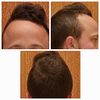
Minoxidil requires at least 6 months to show results and may not work for everyone. Combining it with Finasteride can improve outcomes, but stopping Minoxidil can result in losing any regrowth.
A 17-year-old improved his hairline using minoxidil and derma stamping, planning to start finasteride at 18. He received advice on dosing and potential side effects to maintain results.
The user is using a combination of topical and oral treatments containing Finasteride and Minoxidil, along with supplements like Biotin, Saw Palmetto, and vitamins, to combat hair loss. They are also incorporating lifestyle changes such as a whole foods diet, exercise, and improved sleep to support their regimen.
The user switched from finasteride and topical minoxidil to oral dutasteride and minoxidil, with plans to add RU58841, to improve hair growth and address a stubborn bald spot. Despite initial shedding, the user noticed thicker, darker hair and plans to continue the treatment or consider a hair transplant.
A user who buzzed their hair off after five years of struggling with hair loss, and the replies discussing whether or not they should go completely bald, as well as advice on cutting it shorter and potential treatments such as finasteride and minoxidil.
A user's six-month update on their hair loss treatment plan, which includes topical finasteride and minoxidil, dermarolling, and ketokonazole. Replies to the post appreciate the comparison pictures and commend the results achieved from the treatments.
This user has been using a combination of topical Minoxidil and Finasteride, oils, biotin, vitamins D and K, and derma-rolling for 3 months to help reduce hair loss. They have experienced some progress but are still looking for more recommendations from others.
The user experienced noticeable hair growth after starting dermarolling with a 1mm device, using minoxidil, and nizoral shampoo. They plan to reduce dermarolling frequency to three times a week and are considering additional treatments like finasteride or a hair transplant for increased hair density.
A user shared an extensive hair loss treatment regimen including dutasteride, minoxidil, tadalafil, RU58841, microneedling, and various topical and oral supplements. Responses varied, with some suggesting the regimen is excessive and others offering additional advice or expressing skepticism about its practicality and effectiveness.
A user discusses their extensive hair loss treatment regimen, which includes dutasteride, oral and topical minoxidil, RU58841, various supplements, and lifestyle changes. The conversation includes opinions on the effectiveness and necessity of such a comprehensive approach, with some users suggesting alternatives like microneedling and questioning the high dosage of dutasteride.
The conversation is about hair loss treatments, specifically using dutasteride and oral minoxidil, and exploring additional vitamins and supplements like vitamin D, zinc, biotin, and omega-3 to support hair health. Users suggest getting a blood panel to identify deficiencies and emphasize the importance of protein and overall nutrition.
The user has been using finasteride for 5 months along with minoxidil, microneedling, and keto shampoo but hasn't seen significant regrowth and is considering switching to dutasteride. Others advise patience, suggesting waiting at least a year to see results, as finasteride often takes time to show effects.
PP405 targets hair follicle stem cells differently than exercise-induced lactate, suggesting exercise alone may not replicate its benefits. Minoxidil and finasteride are recommended alongside exercise for hair regrowth, with additional suggestions like spicy food and infrared exposure.
The user is experiencing slow but noticeable hair regrowth using 1mg finasteride daily, 5% minoxidil, microneedling, and vitamins. They have also adopted healthier lifestyle habits and are considering a hair transplant in the future.
A user shared their 3-month hair loss treatment progress using 5% minoxidil, 1mg finasteride, and occasional nizoral. They noted significant progress and plan to continue treatments, with another update at the 6-month mark.
User experienced shortness of breath, high blood pressure, red eyes, and eye floaters after using RU58841 for hair loss. They warn others to avoid RU58841 and stick to finasteride, minoxidil, and dutasteride.
The user is exploring alternatives to hair transplants due to a weak donor area and is currently using finasteride, minoxidil, dermapen, low-level laser therapy, Nizoral shampoo, and a high-protein diet. They plan to switch to dutasteride and consider adding RU58841, while rejecting hair systems and considering a buzz cut.
The conversation discusses using PGE2 as a hair growth stimulant, comparing it to minoxidil, and considering the addition of Setipiprant. Concerns about side effects like skin damage and cost are also mentioned.
A 31-year-old individual started taking finasteride 24 days ago to address hair thinning and loss, which has worsened their mood and stress. They have not yet added minoxidil and are experiencing significant shedding, contributing to sleep issues and insecurity about their hairline.
Rejuv-3X, a topical blend with GHK-Cu, AHK-Cu, and JXL-089, is used for hair loss, offering a targeted option without finasteride's side effects. The user plans to combine it with microneedling for enhanced results.
Common foods that may support hair growth include ginger shots, salmon, roasted chicken, spinach, tinned sardines, and grass-fed ground beef. Energy drinks are considered bad, and iced coffee is suggested as a possible alternative.
The user has tried various treatments for hair loss, including finasteride, dutasteride, and oral minoxidil, but is considering a hair transplant due to insufficient progress. Some users suggest that the treatments have at least stabilized hair loss, and recommend consulting clinics for a potential hair transplant while continuing medication.
The conversation is about hair regrowth, with the original poster using natural oils and supplements like pumpkin seed, saw palmetto, and zinc, while considering pharmaceutical options like minoxidil, finasteride, and dutasteride. Most users suggest using finasteride or dutasteride for effective results, as natural remedies are seen as ineffective.
Apply tretinoin cream first, then minoxidil, as tretinoin can enhance minoxidil absorption. Allow some time between applications to avoid skin irritation.
The user is experiencing increased hair loss 9 months into a treatment with topical finasteride and minoxidil, along with supplements, and is questioning if this is a temporary phase or if the treatment is ineffective. Opinions vary, with some suggesting shedding is normal, while others debate the effectiveness of topical treatments and the impact of supplements.
Switching from oral to topical minoxidil due to health issues, with advice on using tretinoin to enhance effectiveness. Tretinoin can improve minoxidil absorption and effectiveness, potentially reducing application frequency.
The user treated seborrheic dermatitis and hair loss with a routine including sulfate-free tea tree oil shampoo, ketoconazole shampoo, minoxidil foam, microneedling, and supplements like Omega-3 and Vitamin-D. They experienced significant hair shedding initially but saw improvement over a year.
A 20-year-old is using oral and topical finasteride, topical minoxidil, ketoconazole shampoo, rosewater, Adgain tablets, creatine, and derma stamping to address hair loss. There is a debate about creatine's impact on hair loss, with some suggesting it increases DHT, while others disagree.