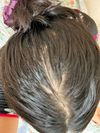
Fenugreek has mixed reviews for hair loss, with some reporting success and others experiencing worsening conditions. Few people have shared their experiences online.
A 29-year-old female is experiencing severe hair loss and bald patches, seeking advice on shampoos, conditioners, hair masks, or topical medications. A user suggests starting an oral supplement.
The user is experiencing dry, frizzy hair despite using dutasteride and finasteride for hair loss, which may be due to reduced sebum production. Suggestions include using nourishing conditioners, hair oils, and styling products to manage frizz, especially for curly hair.
Using the "big three" hair loss treatments (Minoxidil, Finasteride, and Ketoconazole) can initially make hair look worse, often causing dryness and a "straw" texture. Adjusting the routine with gentler shampoos and conditioners can improve hair appearance while waiting for the treatments to show results.
Using ketoconazole shampoo daily can dry out hair, and most users recommend using it 1-2 times a week with conditioner. Some users combine it with minoxidil and finasteride for better hair growth results.
A 33-year-old woman experienced significant hair loss and found relief using Mary Ruth’s liquid morning multivitamin + hair growth and Nioxin shampoo and conditioner. She noticed reduced shedding and longer hair growth after three months of use.
Patience and consistent use of treatments like Dutasteride and oral Minoxidil are key for hair regrowth, with noticeable improvements often taking around 10 months. Maintaining scalp health with products like ketoconazole shampoo and conditioners is also important for effective treatment.
Nizoral 1% shampoo can be used continuously for hair loss, but it may cause dryness, which can be managed with conditioners. Some users combine it with other treatments like minoxidil and AHK-Cu for better results.
A 15-year-old is concerned about hair loss, possibly at Norwood 2 or 3, and is using shampoos and conditioners recommended by a trichologist. Suggestions include considering topical minoxidil and consulting a doctor about topical anti-DHT treatments like finasteride or RU58841, but avoiding 5-alpha-reductase inhibitors at this age.
A user is experiencing scalp flaking from a finasteride/minoxidil topical solution and considers using salicylic acid shampoo to remove propylene glycol residue. Another user suggests trying a leave-in conditioner to address dryness and flaking.
Nizoral is commonly used for hair loss and dandruff, but it can cause dryness; users often pair it with conditioners or alternative shampoos. Some also use finasteride, minoxidil, and red light therapy for hair care.
The conversation is about dealing with dry scalp caused by using Nizoral shampoo. Suggestions include using medicated scalp solutions, drinking more water, trying different shampoos and conditioners, and using oils like coconut or olive oil.
A 22-year-old male experiencing diffuse thinning and frizzy hair has been using finasteride for nine months and is seeking advice on improving hair quality. Suggestions include using conditioners, biotin, rosemary oil, and addressing scalp conditions like seborrheic dermatitis or psoriasis, while finasteride may help reverse miniaturization and improve hair health.
People are discussing ketoconazole shampoos that don't dry out hair, with suggestions including using it as a topical treatment, switching to T-Sal, and using moisturizing products like hyaluronic acid serum and biotin conditioner. Regenepure DR is confirmed to still contain ketoconazole, and some users recommend using moisturizing shampoos and conditioners to prevent dryness.
The user experienced heavy shedding 10 months after a hair transplant and used a topical solution of Minoxidil and Finasteride, later switching to Finoduta. They also dealt with a dry scalp and greasy hair, using various shampoos and conditioners, and sought advice on whether the shedding was normal and how to manage the dry scalp.
GriffinLiftin experienced significant hair regrowth after 6 months using oral finasteride and minoxidil, along with hair care products like leave-in conditioner, curl-cream, and olive oil. They started treatment early due to a family history of balding and are pleased with the life-changing results.
Piroctone Olamine at 1% is recommended for reducing scalp inflammation and encouraging hair growth. The user seeks recommendations for UK shampoos/conditioners containing this ingredient.
A user shared their 3-month hair regrowth progress using a routine that includes natural oils, specialized shampoos and conditioners, derma stamping, scalp oil, and vitamins. They apply a mixture of oils twice a week, use hair care products, derma stamp, and take vitamins daily.
The conversation discusses successful hair regrowth using topical minoxidil and biotin shampoo/supplements, avoiding finasteride due to its side effects. Specific brands of shampoo, conditioner, and biotin pills were inquired about but not mentioned.
DHT itch's existence is debated, with some claiming it's real and others saying it's psychological. Finasteride, Ketoconazole shampoo, and addressing scalp conditions like dandruff or eczema may help reduce itchiness.
Bishiop shares 9-month hairline progress using Finasteride for 276 days and Minoxidil for 75 days. Regimen includes daily Finasteride, topical Minoxidil, dermarolling, and specific shampoos/conditioners; experienced temporary side effects.
The user shared their experience with hair loss treatments, including finasteride, minoxidil, and a detailed hair care routine involving conditioners, oils, and micro-needling. They reported significant improvement in hair thickness and reduced shedding after adopting these practices.
A female, aged 17-18, is experiencing significant hair loss, feeling hopeless despite trying various treatments like leave-in conditioners, omega-3s, supplements, sulfate-free shampoo, and biotin. She is distressed as her hair continues to thin, affecting her body image and self-esteem.
A user shared progress pictures after one year on oral minoxidil and eight months on oral finasteride, noting improved hair density and recession at the corners. The user also mentioned using volumizing shampoo, conditioner, and a homemade sea salt spray, while others debated the necessity and effectiveness of the treatments.
A user shared their positive experience with hair regrowth using finasteride and minoxidil chewables over 20 months, along with a specific conditioner and a new treatment, GHK-Cu. Others discussed their own hair loss experiences and treatments, including oral finasteride/minoxidil and considering hair transplants.
The user reported significant hair regrowth after using 1mg oral finasteride and 2.5mg oral minoxidil for three months, despite initial shedding. They avoid shampoo and conditioner, using only castor and argan oil, and experienced no side effects.
The user shared progress pictures showing visibly thicker hair from April to November 2025. They used a treatment stack including Dutasteride, oral Minoxidil, Kirkland Minoxidil Foam, caffeine shampoo, and conditioner.
The conversation is about using topical minoxidil and Nizoral shampoo for hair loss. It discusses whether to use conditioner with Nizoral and how to apply minoxidil without causing scalp irritation.
A user shares a routine using Nizoral 2% shampoo twice a week, followed by Ego QV Nourishing Shampoo and Conditioner, and Schwarzkopf Extra Care Hair Treatment Oil to prevent dryness and maintain healthy hair texture. Others discuss similar experiences with ketoconazole, noting improvements in dryness and reduced hair shedding.
A 17-year-old experiencing hair loss, thinning, and white hair seeks advice on effective treatments. They have started using shampoo and conditioner but have not seen improvement and are open to product suggestions.