The conversation discusses the effects of B5 (Pantothenic acid), B7 (Biotin), and B12 on hair loss. Specific treatments mentioned include Minoxidil, finasteride, and RU58841.
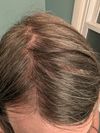
A female user has experienced severe hair shedding since stopping birth control in late 2022, diagnosed as telogen effluvium with no signs of androgenetic alopecia. Despite healthy living and optimal bloodwork, she continues to shed hair daily but also sees significant regrowth.
Excessive scalp sebum, worsened by DHT, can lead to inflammation and hair loss, with clascoterone mentioned as a treatment. Diet changes seem ineffective for scalp sebum, and treatments like minoxidil and finasteride are suggested.
Exosomes are discussed as a new hair loss treatment, but skepticism is expressed about their effectiveness. Other treatments mentioned include Minoxidil, finasteride, and RU58841.
The user is seeking advice on maximizing hair growth while using oral finasteride, topical minoxidil, Nizoral, and microneedling, and is considering adding a laser diode cap, topical finasteride, retinol, and caffeine. Suggestions include using tretinoin with minoxidil for better absorption, switching to dutasteride, and considering RU58841 or pyrilutamide.
The conversation discusses the cost and insurance coverage of a comprehensive hormone and DHT blood panel for hair loss, with a focus on finasteride treatment. The user seeks a cheaper alternative to a $700 panel recommended in a video.
Women also experience hair loss, especially post-menopause, often requiring lifestyle changes. Treatments include Scalp Micropigmentation, hair transplants, and sometimes finasteride, with underlying causes needing medical evaluation.
Checking vitamin and hormone levels is important for addressing hair loss, as deficiencies in vitamin D, zinc, and iron can affect hair growth. Treatments like finasteride, minoxidil, and vitamin supplements are used, but addressing deficiencies is crucial for effectiveness.
A 30-year-old woman with androgenetic alopecia is considering bicalutamide to slow hair loss but is concerned about its impact on muscle growth due to its anti-androgen effects. Alternatives suggested include dutasteride, spironolactone, RU58841, and minoxidil, with concerns about bicalutamide's side effects.
A user reported a significant increase in testosterone and estradiol levels after taking Finasteride for 5 months, with estradiol levels rising over 2000%. They plan to consult their doctor, suspecting a lab error, as they feel fine with no side effects.
Treatments for hair loss, specifically discussing the use of RU58841 and Pyrilutamide from Actifolic. The poster is inquiring about experiences with these products and results.
The user switched from oral minoxidil to topical minoxidil and added JXL-069/PP405-3HP, along with topical dutasteride, melatonin, and tretinoin. They also use low-level laser therapy (LLLT) but doubt its effectiveness.
The user has androgenetic alopecia (AGA) and low Vitamin D levels, and they started using topical minoxidil (5%). They are considering finasteride but are concerned about side effects and are advised to seek mental health support.
Clascoterone and RU58841 are compared for effectiveness in treating hair loss. The discussion involves treatments like Minoxidil, finasteride, and RU58841.
The user's first hair transplant failed, and they are preparing for a second one. They are considering whether to continue multivitamins and B complex before the surgery, and are asking for advice on supplements to take for hair loss that do not include DHT blockers, finasteride, minoxidil, or high-dose biotin, and are contemplating iron, folic acid, vitamin C, and NAC for before and after the surgery.
A 40-year-old considering a hair transplant after using finasteride and oral minoxidil for hair maintenance. They have maintained hair well with these treatments and seek opinions on whether a transplant would improve their appearance.
The conversation discusses the effects of finasteride on libido, with the original poster experiencing a significant decrease in sexual desire after starting the medication. Other users share similar experiences and suggest potential remedies, including Vitamin E supplementation and lifestyle changes like avoiding pornography.
Korea launched its first OTC oral hair loss drug, dexpanthenol B5. Users discuss its anti-oxidative and anti-inflammatory effects but note a lack of efficacy studies.
User wants to try procyanidin b2 and broccoli sprouts sulforaphane for hair loss and asks for supplement suggestions. Replies suggest taking fin by asteride and growing sprouts in mason jars to eat raw.
A user started taking finasteride 1mg/day for hair loss but hasn't seen results yet. They also take vitamins and asked about adding minoxidil and the effectiveness of LLLT.
The conversation discusses the effectiveness of anti-androgens for hair loss, with a preference for topical treatments like RU58841 over oral options due to better scalp concentration and fewer side effects. Topical finasteride at 0.1% may provide some results, especially when combined with a topical androgen receptor antagonist like RU58841.
Peptides like GHK-Cu, BPC-157, and TB-500 have significantly reduced hair loss, with GHK-Cu being particularly effective. The discussion also covers the high cost of these peptides and explores more affordable purchasing options.
The user started finasteride and oral minoxidil for early-stage hair loss around the crown and underwent a session of exosome treatment 3.5 months ago. They are seeing some improvements and are questioning the effectiveness of exosomes for hair regrowth.
The user is experiencing hair thickening with oral minoxidil but notices worsening hairline and considers starting finasteride despite concerns about gynecomastia. They are also considering using Latisse on their hairline and seek advice on potential outcomes and experiences with these treatments.
The conversation is about a person experiencing significant hair loss in the donor area after a hair transplant, with others suggesting it might be shock loss. The person is taking oral minoxidil and dutasteride to help with the issue.
Coconut oil may act as a natural conditioner but can clog pores, while castor oil might promote hair growth and help with dandruff. Users suggest trying lighter oils like apricot or grapeseed for better results.
The conversation discusses using natural alternatives like saw palmetto, pumpkin seed oil, pygeum, and nettle extract for hair loss, alongside treatments like nizoral, dermastamp, red light, and rosemary oil. Opinions vary, with some users skeptical about the effectiveness compared to finasteride, and concerns about potential side effects.
A 30-year-old woman with controlled hair thinning stopped taking Spironolactone due to side effects and is considering Dutasteride. She seeks feedback from other women who have used Dutasteride for hair loss.