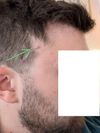
The user is using caffeine shampoo with baicapil, microneedling, massage, and procapil lotion for hair loss. Replies suggest the user is balding and recommend finasteride.
The user experienced hair loss due to a crash diet and later developed scarring hair loss. They are now on finasteride, oral minoxidil, LDN, Zyrtec, and Oztela to reduce scalp inflammation and promote hair regrowth.
User shared 6-month progress using Fin, Min, Microneedling, Biotin, and Ketoconazole Shampoo for hair loss. They microneedle once a week, use 1.25 mg Fin daily, and apply topical Min twice a day.
A user is experiencing hair loss and estimates a 40% loss in the front and 50%-60% on the crown. They are using oral minoxidil, topical finasteride, keto shampoo, microneedling, and LLLT for treatment.
The user "OP" shared their hair loss journey, detailing their treatment regimen, which includes topical minoxidil, dutasteride, various vitamins, keto shampoo, derma rolling, and oils. They experienced significant shedding around month 6 but believe it has stopped, with hair regrowth resuming.
The post and conversation discuss the link between DHT (a hormone), scalp itchiness, and hair loss. Some users share their experiences and treatments, including the use of fluconazole, corticosteroids, and ketoconazole shampoo, with one user suspecting minoxidil as a potential cause of their symptoms.
The user has been using Minoxidil and Finasteride since late 2019 with good results but is experiencing a dry, flaky scalp and shedding hairs. They also use Nizoral, biotin, zinc, magnesium, and collagen supplements, and their dermatologist prescribed fluocinolone acetonide to reduce flaking.
The user is experiencing increased hair shedding and thinning despite using Minoxidil, Finasteride, vitamins, zinc, microneedling, and Omega 3 supplements. They are seeking advice on whether this is normal and how to stop it.
The user is experiencing hair regrowth with oral minoxidil and dutasteride but still has fragile hairs that easily pluck out from the front center. Despite improvements, the user is concerned about the persistent fragility and shedding of these hairs.
Shedding after a break from minoxidil or RU58841 means hair falls out or becomes thinner and weaker quickly before falling. The discussion clarifies the nature of hair shedding with these treatments.
Age-linked hair loss is linked to disappearing collagen. Treatments discussed include minoxidil, finasteride, RU58841, tretinoin, microneedling, and collagen supplements.
A female user is experiencing severe hair loss, especially at the crown and front, with broken and dull hair despite using Moroccan oil, shea moisture shampoo, and coconut oil. She seeks recommendations for a clinic or doctor as previous doctors attributed the issue to stress but offered no solutions.
Astaxanthin may cause increased hair shedding, affecting even transplanted hair and eyebrows. The user has tried various treatments for androgenic alopecia, including minoxidil, finasteride, and RU58841.
The user experienced hair loss from overwashing and frequent product changes, seeking alternatives to Minoxidil due to having pets. Suggestions included using oral Minoxidil, ketoconazole shampoo, and maintaining a consistent hair care routine with gentle, sulfate-free products.
A user with long-term hair loss has been using topical minoxidil, finasteride, RU58841, ketoconazole, and dermastamping for 8 months. They are unsure if the new hairs are miniaturized or vellus.
OP shared a 100-day progress on reducing hair shedding using Minoxidil and Dorpang scalp serum, noting healthier hair growth. Other users discussed their own treatments, including Minoxidil, ketoconazole, saw palmetto, and pumpkin seed oil, with some considering finasteride if needed.
A 23-year-old is experiencing hair that is thick at the ends but thin at the roots despite using minoxidil and finasteride for 10 months. They are concerned about whether this is normal or a sign of miniaturization and seek advice on reversing or improving the condition.
A 19-year-old male with seborrheic dermatitis (SD) experienced significant hair loss and uses keto shampoo, zinc, and Nizoral to manage it. He inquires about the potential for regrowth and whether adding finasteride would help.
The user has been treating hair loss for 7 months using a combination of pyrilutamide, a topical mix of finasteride and minoxidil, microneedling, a topical mix of GHK-Cu and minoxidil, ketoconazole shampoo, fish collagen peptides, zinc, and vitamin D3. Another user suggests that continuous small improvements could lead to significant hair regrowth over time.
The user shared their 6-month hair loss progress using topical minoxidil, oral minoxidil, finasteride, and microneedling. They noted thicker eyebrows and eyelashes but also increased body hair.
The user is experiencing white flakes and a greasy look from using a topical solution containing 0.025% finasteride, 8% minoxidil, 0.01% retinoic acid, and 1% hydrocortisone. Suggestions include reducing application frequency, using a brush to clean the scalp, and considering alcohol-free alternatives.
A user lost 60% hair density in 4 months, started finasteride and microneedling, and has greasy, flaky, yellowish scalp. They are awaiting biopsy results, and another user suggested trying ketoconazole shampoo.
A 19-year-old shares his hair loss experience and treatment routine, which includes 1mg finasteride daily, 2mg oral minoxidil daily, ketoconazole shampoo every 2 days, and a healthy lifestyle. He notes that oral minoxidil is showing better results than topical minoxidil.
OP experienced significant hair shedding after 8 months of using topical minoxidil and plans to start finasteride. They are concerned about hair loss and have scheduled a dermatologist appointment.
The user has been using dutasteride, minoxidil, and RU58841 for two years but continues to experience excessive hair shedding, despite also taking various supplements and trying other treatments like red light therapy. They are seeking advice and sharing experiences with others facing similar hair loss challenges.
The conversation discusses hair loss treatments, specifically using topical minoxidil, oral finasteride, ketoconazole, and derma stamping. Users share their experiences, with one noting improved scalp health and slight regrowth, while another considers switching treatments due to lack of progress.
A 24-year-old male experienced increased hair shedding after switching to a new topical finasteride and minoxidil solution with a better carrier. He is concerned whether this shedding indicates progress or a setback in his hair loss treatment.
A user's journey to try and stop their hair loss, including the use of oral finasteride, topical minoxidil, ketoconazole shampoo, Cynatine Keratin supplements, and The Ordinary's Multi-Peptide Serum for Hair Density; and advice from other users regarding trying dutasteride, oral minoxidil, and lifestyle changes.
The user has been experiencing diffuse hair thinning despite using finasteride, minoxidil, dermarolling, clobetasol cream, and PRP sessions. They seek advice on additional treatments and are advised to check vitamin D, iron, and thyroid levels.
The user is experiencing daily hair loss and is considering trimming their hair to manage scalp cleanliness due to excessive sweating. They are seeking advice on how much to cut, preferring a short style similar to a classic military haircut.