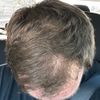
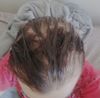
The user switched from finasteride to dutasteride in January and noticed increased crown thinning, despite using minoxidil with rosemary, biotin, and castor oil. They are concerned about hair loss and considering visiting a clinic for further advice.
The user has been using finasteride for over two years with mixed results and is considering starting dutasteride and oral minoxidil, though both are hard to obtain. They are also contemplating a hair transplant in the future due to diffuse thinning.
A 22-year-old male uses dutasteride, a serum with 10% minoxidil and 0.5% finasteride, and microneedling for diffuse androgenetic alopecia. Progress pictures show changes from July 2025 to February 2026.
The user switched from finasteride to dutasteride while continuing minoxidil and microneedling, seeing gradual hair regrowth. They are considering adding oral minoxidil and possibly a LLLT helmet for further improvement.
A 33-year-old user is seeking advice on adjusting their hair loss treatment, which includes daily finasteride, oral minoxidil, and various supplements. They are considering switching to alternate-day dosing of finasteride or dutasteride and are concerned about potential shedding and effectiveness.
How diffuse unpatterned alopecia (DUPA) is not an invitation to self-diagnose oneself with aggressive AGA and that seeking a specialized dermatologist may help people experiencing hair loss. Treatment options discussed include topical clobetasol propionate, oral minoxidil, and discontinuing finasteride.
A user plans to switch from finasteride to dutasteride for better hair loss treatment, citing dutasteride's higher DHT suppression. Others share mixed experiences, discussing transition methods, shedding, and potential side effects.
A 28-year-old male, previously on dutasteride for hair loss, is considering oral minoxidil or a compounded treatment of minoxidil, finasteride, and tretinoin after noticing hairline recession. The dermatologist suggested oral minoxidil and mentioned a compounded option, but the user is unsure about its benefits compared to current treatments.
The user experienced significant hair regrowth after switching from finasteride and minoxidil to dutasteride. They believe dutasteride is highly effective for treating hair loss.
The conversation discusses hair loss treatments, specifically using dutasteride (0.5mg daily) with no side effects reported after two months. It also mentions the health benefits of one meal per day and the low incidence of side effects.
User experienced rapid thinning on crown, used dutasteride for 3 months with significant improvement. Microneedling and ketoconazole were also used, but no minoxidil or finasteride.
A user shared their 5-month hair regrowth progress using 0.5mg Dutasteride daily and 5% Minoxidil foam twice daily, reporting significant improvement despite initial shedding. Other users discussed their experiences with similar treatments, noting varied results and side effects, with some emphasizing the need for long-term commitment to maintain hair growth.
Combining finasteride and dutasteride may enhance hair regrowth by targeting different enzymes, with positive results reported. Minoxidil, both oral and topical, is also used to improve effectiveness.
The conversation is about using PTD-DBM and valproic acid for hair loss. The user is inquiring about the dosage of these treatments, noting that valproic acid is used at a 7.5% solution.
The user discusses their hair loss experience, exploring various hypotheses including thyroid levels, vitamin D, DHEA, nutritional deficiency, diabetes, seborrheic dermatitis, lack of nutrition to hair follicles, chronic inflammation, female pattern hair loss causes, cortisol, and prolactin levels. They are currently using finasteride, beta-sitosterol, and have tried topical dutasteride and microneedling therapy.
Baby hairs can mature with long-term DHT reduction, and Minoxidil can aid this process. Dutasteride mesotherapy is effective and preferable to oral pills, as it directly targets tissues.
The conclusion of the conversation is that the user, djamezz, has experienced significant regrowth and improved density in their hairline by using treatments such as RU (RU58841), dut (dutasteride), and Inkey's Caffeine Scalp treatment. They are satisfied with their progress and do not plan to cut off their hair.
A user had a successful hair transplant at Diamond Hair Clinic with Dr. Mehmet Demircioglu, noting excellent care and results after 6 months. They now maintain their hair with Dutasteride, oral and topical Minoxidil, and vitamins.
A user shared their 4-month hair regrowth progress using 0.5mg dutasteride and 2.5mg minoxidil, reporting no side effects and significant improvement. The conversation includes discussions on treatment choices, dosages, and personal experiences with hair loss treatments.
Taking dutasteride with a meal containing fat may improve absorption, but consistency in routine is more important than timing. Minor variations in absorption won't significantly affect efficacy due to dutasteride's long half-life.
Dutasteride is effective for hair loss but may cause side effects like decreased sperm count, which might not fully recover after stopping. Users discuss balancing dosages to minimize side effects while maintaining benefits.
TDM-105795 is a potential hair growth stimulant that works differently from minoxidil and could be used alongside it for enhanced growth. It completed phase 2 trials in 2024, with a medium to high chance of release in 2026, but lacks recent updates or phase 3 trial information.
A 25-year-old male using Dutasteride, oral Minoxidil, and Ketoconazole shampoo is experiencing increased hair shedding and vellus hair growth along the hairline. Concerns are raised about whether this is a seasonal shed or a potential setback.
A user was prescribed a combination of 0.6mg dutasteride, 5mg minoxidil, and 1mg zinc daily for hair loss, which is higher than standard doses. Other users suggest starting with lower doses, especially for minoxidil, and recommend seeking a second opinion.