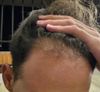
The conversation discusses using topical dutasteride with a dermapen for hair loss treatment. The user is deciding between liposomal and mesosomal formulations for this purpose.
The user changed their hair loss treatment to 5mg oral Minoxidil and 2.5mg Dutasteride daily, resulting in significant hair regrowth over two months. They also used Nizoral 2% Ketoconazole shampoo to improve scalp health.
PP405 shows promise in hair loss treatment, but stem cell therapy using adipose-derived stem cells and ATP also successfully reversed androgenetic alopecia in mice. Stem cell therapy is costly, and some doubt the effectiveness of PP405 based on press releases.
GHK-RU58841 is used for hair loss, with positive results when combined with finasteride, stemoxydine, redensyl, and alfatradiol. Users report effectiveness after adding finasteride.
DUPA is considered more treatable than FAPD, as FAPD involves scarring that prevents hair regrowth. The user has started treatment with oral dutasteride and minoxidil, hoping for better results than previous treatments.
PP405 is expected to be on the market between 2027 and 2030, with phase 3 trials starting in 2026. There is skepticism about its fast-tracking due to its cosmetic nature, and it may appear on the gray market sooner.
The conversation is about a user assessing their hair loss as Norwood 1.5 and discussing their use of oral minoxidil and finasteride for 2.5 years, which improved their hair density. They are content with their current progress but hope to reach Norwood 1.
The conversation is about exploring alternatives for hair loss treatment, specifically ds laboratory revita shampoo and nanoxidil, with the user currently using microneedling. The user is considering these options due to fewer side effects compared to other treatments.
The user is seeking advice on improving their hairline, currently using dutasteride 0.5mg/day and oral minoxidil 5mg/day for 14 months. They want to avoid a hair transplant and are concerned about thin hair and receding temples.
The user shares a positive experience with Dutasteride for hair loss, noting increased hair density and minimal side effects after switching from Finasteride. They prefer oral Dutasteride and avoid Minoxidil due to its inconvenience and potential risks.
The user is using 0.5mg dutasteride daily and 3mg oral minoxidil daily for hair loss, but hasn't seen improvements after five months. They report miniaturization and thinning, especially at the hairline and crown, and are advised to wait at least a year for better results.
The GT20029 tincture, a topical androgen receptor degrader, showed significant hair growth and good safety in a China Phase II trial for male androgenetic alopecia (AGA), with the 1% dose twice weekly identified as optimal. The company plans to initiate Phase III trials in China and Phase II in the U.S., and the treatment also shows promise for acne.
The conversation is about trying DS Labs SOD supplements for hair loss, which contain ingredients like Genistein, B-sitosterol, and Biotin. The user is considering adding these supplements to their existing hair care routine.
Hair growth can be induced without stopping DHT, as seen with Minoxidil. HMI115 may work by promoting follicle growth, not targeting the root cause of hair loss (DHT).
A 30-year-old male experienced significant hair regrowth after five months of using topical minoxidil (5% foam) and oral dutasteride (0.5 mg daily). The user reported no side effects and was grateful for the progress, despite the rapid gains slowing down.
PP405 is ineffective for miniaturized, fibrosed hair follicles in androgenetic alopecia. AMP303 may activate hair follicle stem cells, but minoxidil and finasteride are still the main treatments.
The conversation discusses using RU58841 with primobolan or masteron to protect hair while on steroids, alongside dutasteride. Users suggest caution with these compounds due to potential hair loss and discuss alternatives like nandrolone and EQ for better hair safety.
How diffuse unpatterned alopecia (DUPA) is not an invitation to self-diagnose oneself with aggressive AGA and that seeking a specialized dermatologist may help people experiencing hair loss. Treatment options discussed include topical clobetasol propionate, oral minoxidil, and discontinuing finasteride.
The user experienced side effects from finasteride and is considering switching to dutasteride, while also using pyrilutamide to protect hair follicles. They are seeking advice on whether to add RU58841 to their regimen.
A 20-year-old is using minoxidil and dutasteride for hair regrowth and is questioning if recent changes are due to regrowth or lighting. Users suggest the changes are due to minoxidil and advise not to worry about hair shedding from dutasteride.
The user has been using oral dutasteride (DUT) for 1.5 years but is experiencing hair thinning again and is considering increasing the dose or adding topical treatments like RU58841, despite concerns about side effects. Suggestions include trying oral minoxidil or waiting to see if the thinning is just a temporary shed.
The user shared their positive 5-month results using finasteride, minoxidil, derma rolling, and supplements like biotin, zinc, iron, and vitamin C. They provided before and after photos and mentioned applying minoxidil even when derma rolling.
A transwoman is struggling with hair loss despite using hormones, dutasteride, and Abiraterone, and is considering making her own treatments due to difficulty accessing them. She has also tried Eucapil and regularly uses Nizoral shampoo.
A 20-year-old used finasteride for 5 months, then switched to dutasteride for 7 months, and added oral minoxidil for 2.5 months, finding the combination of dutasteride and oral minoxidil most effective. The user experienced significant hair improvement and confidence boost, with no blood tests but an ECG to monitor heart health.
Delayed release oral minoxidil is seen as a promising advancement for hair loss treatment, offering safer, higher doses and more consistent hair follicle stimulation compared to current options. However, it is not expected to replace finasteride or dutasteride, as it does not prevent androgenetic alopecia.
Higher doses of dutasteride, like 2.5 mg, may offer more hair growth than 0.5 mg, but the difference is not significant for most people. Many users find 0.5 mg effective, and increasing the dose is often unnecessary unless experiencing severe hair loss.
A humorous discussion about forming a "religion" around dutasteride for hair loss treatment, with members jokingly pledging allegiance and sharing experiences. Some users mention switching from finasteride to dutasteride, noting differences in side effects and effectiveness.
A user inquires about the effectiveness of using more than the standard 0.5mg dose of Dutasteride for hair loss, mentioning studies suggest 2.5mg is more effective. Another user shares their experience of taking 1mg without noticing a difference, despite studies indicating 2.5mg may be better.
A new hair loss treatment, PP405, showed promising Phase 2a results with 31% of patients experiencing over 20% hair density increase without systemic absorption, avoiding hormonal side effects. The treatment is expected to be expensive, with Phase 3 trials starting mid-2026, and there is skepticism about the data's strength.