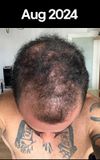
RU58841 may help some with hair loss, but it can have side effects like heart pain. Dutasteride and finasteride can cause initial shedding, and results may take time.
Dutasteride can stabilize or improve hair loss but may cause side effects like depression and anxiety. Users often switch from finasteride to dutasteride for stronger results, with varied experiences in shedding and regrowth.
Switching from finasteride to dutasteride can improve hair regrowth with fewer side effects for some users. Concerns about shedding, lack of improvement, and the long-term safety of oral minoxidil remain.
The user is experiencing significant hair shedding after four months of using 0.25% topical finasteride with Biotin Gel, applied twice daily. Another user suggests consulting a doctor, noting their own shedding reduced after 2-3 months on dutasteride.
A user started finasteride for hair loss and saw improvement, but is now experiencing shedding and thinning in new areas. They added Nizoral due to dandruff caused by finasteride. Replies suggest that shedding is normal around 6 months and advise to stick with the treatment.
The conversation is about the potential format of Breezula, a hair loss treatment, and concerns that it might be greasy or sticky. Specific treatments mentioned are Minoxidil, finasteride, and RU58841.
A 25-year-old male using Dutasteride, oral Minoxidil, and Ketoconazole shampoo is experiencing increased hair shedding and vellus hair growth along the hairline. Concerns are raised about whether this is a seasonal shed or a potential setback.
Combining finasteride with dutasteride may have additive benefits for reducing scalp DHT, but the extent is unknown. Some users report less shedding when using both treatments, with variations in dosage and application methods.
The user experienced hair shedding and follicle shrinkage when using retinoic acid, despite trying different concentrations and frequencies. The hair loss persisted for six months but regrew after stopping the treatment.
Baby hairs can mature with long-term DHT reduction, and Minoxidil can aid this process. Dutasteride mesotherapy is effective and preferable to oral pills, as it directly targets tissues.
The user has been taking 1mg oral finasteride daily for six months but continues to experience significant hair shedding. They are considering whether to continue with finasteride or ask their doctor about switching to dutasteride.
Tretinoin remains stable when mixed with minoxidil for months, and its effectiveness is not reduced or disturbed at the molecular level. The discussion focuses on the compatibility of tretinoin with minoxidil in hair loss treatment.
Switching from finasteride to dutasteride for hair loss treatment, with concerns about dosage and potential shedding. Users suggest maintaining minoxidil dosage and possibly transitioning gradually to avoid hair loss.
The user has been using finasteride for 16 months, minoxidil for 11 months, and started microneedling 2 months ago, experiencing shedding phases. They are questioning whether they are experiencing miniaturization or regrowth.
Switching from finasteride to dutasteride for hair loss yields mixed results, with some users experiencing improvements and others facing worsening conditions or side effects like shedding. Patience is advised as dutasteride may take longer to show results, and combining treatments is suggested by some users.
The user tried Minoxidil, PRP, Hair Carboxytherapy, and topical Dutasteride with limited success and is now on oral Dutasteride. They are experiencing some hair loss reduction but no significant density improvement, leading to feelings of depression.
User experienced scarring from microneedling at fast speed and paused treatment for 3-4 weeks to recover. Advice given includes waiting a full month for recovery to avoid scars.
The user has been using minoxidil, finasteride, dermastamping, and Nizoral for hair loss with initial success but is considering adding PRP due to slowed progress. Concerns about PRP include potential ineffectiveness and whether it could harm existing hair growth or interfere with current treatments.
Shedding is common when using finasteride and minoxidil, and it typically stabilizes after a few months, with potential regrowth following. Users report varying experiences, but shedding is generally seen as a normal part of the treatment process.
Dutasteride works for most men, but some may experience worsening due to reasons like shedding, paranoia, non-androgenic alopecia, genetic variations, or smoking. Smoking can increase scalp DHT levels and damage follicles.
The user has experienced hair loss stabilization with dutasteride and oral minoxidil but is considering adding RU58841 for potential regrowth. Another user advises that it may take up to 36 months for full results with dutasteride and warns of possible side effects with RU58841.
Redensyl is a plant-based treatment that may support hair regrowth by reactivating dormant follicles and improving hair density, especially in early-stage thinning. It is not a miracle cure and results vary; it is less proven than Minoxidil or Finasteride and may cause scalp irritation.
User discusses hair loss treatments, including fluridil, minoxidil, tretinoin, melatonin, stemoxydine, ketoconazole, and piroctone olamine. They suggest that shedding healthy terminal hairs may be bad, while shedding weaker hairs could indicate a beneficial treatment effect.
The conversation discusses the variability in effectiveness and safety of generic finasteride from different manufacturers, with some generics potentially containing impurities. Users shared their experiences with various brands, questioning if different brands affect hair loss treatment outcomes.
Discussion on hair loss treatments, focusing on pp405, with skepticism about its effectiveness and concerns about its association with the cosmetic industry. Users also mention treatments like Minoxidil and Finasteride.
Exploring the effectiveness of redensyl, a hair loss treatment, compared to minoxidil and finasteride. People shared experiences using redensyl and products containing it, such as The Ordinary Hair Serum.
Switching from 2% liquid minoxidil to 5% foam minoxidil reduced scalp irritation but increased eyebrow flakiness and thinning. The user speculates that propylene glycol in the liquid formulation might have been protecting against seborrheic dermatitis while causing contact dermatitis.
A user on finasteride added dutasteride due to severe shedding and scalp issues, but didn't see reduced shedding. A dermatologist said finasteride doesn't reduce shedding but thickens hair, and another person confirmed shedding can continue but hair should improve over time.
Feeding bacteria-free mice with Lactobacillus murinus worsened hair loss, but a regular diet with biotin stopped it. The conversation suggests gut bacteria and diet may influence hair loss, with some skepticism and discussion about other factors like DHT and genetics.
The conversation discusses the differences between Minoxidil and Redensyl for hair loss treatment. It also questions why Redensyl isn't as commonly discussed despite claims of its effectiveness.