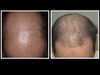
A female user's experience using Spironolactone to treat Female Pattern Hair Loss (FPHL) and Androgenic Alopecia, as well as discussing the effectiveness of the drug at different dosages.
The user experienced significant hair improvement after 3 months of oral finasteride and 6 months of topical minoxidil, with additional weekly microneedling. Hair shedding decreased significantly with no side effects reported.
A 33-year-old is using topical minoxidil, oral finasteride (1mg), a derma pen, and 0.05% tretinoin on the hairline to treat hair loss, showing progress after 2 months. They apply tretinoin in the evening with minoxidil and use a derma pen once a week at 1.5mm.
Vitamin E and K deficiencies due to exocrine pancreatic insufficiency may affect hair growth. A scalp biopsy is recommended to check for autoimmune-related hair loss.
Oral dutasteride and oral minoxidil are recommended for hair regrowth, with topical treatments being less effective. Stopping treatment results in losing any regrowth achieved.
Finasteride helps with hair loss by lowering DHT levels in the scalp, which is more important than blood DHT levels. If finasteride is not effective, consulting a doctor or considering switching to dutasteride may be advisable.
The user has been using Dutasteride and oral Minoxidil for hair loss but hasn't seen desired results and is considering Advanced PRP with autologous exosomes. Some users suggest these treatments are scams, while others discuss increasing Dutasteride dosage or exploring other options like low-level laser therapy.
The user has been using oral Minoxidil, finasteride, dermastamping, and Ketoconazole for hair regrowth with positive results and no side effects. They plan to switch to dutasteride but face challenges obtaining it legally in Germany.
The user has been taking 0.5mg finasteride daily for 1.5 years, which has helped maintain and regrow some hair without side effects. They chose this dosage to reduce the risk of side effects and have not added minoxidil due to family heart issues and having a cat.
A 26-year-old man shared his 6-month hair regrowth progress using 0.25% topical finasteride, 5% topical minoxidil, Trichosol, and weekly derma stamping. He plans to start using a lotion with dutasteride and azelaic acid.
A 28-year-old male experienced significant hair regrowth using dutasteride 0.5 mg and 2.5 mg oral minoxidil after previous treatments with minoxidil and finasteride became less effective. He reported no major side effects, except for unwanted hair growth in certain areas.
A 23-year-old male with aggressive hair loss has tried various treatments, including minoxidil (both topical and oral), dutasteride, multivitamins, and PRP sessions, but has seen limited success. He is considering a hair transplant and seeks advice on whether this is a reasonable approach.
Clascoterone has shown promising results in increasing hair density without systemic side effects, potentially offering benefits similar to finasteride. There is skepticism due to the lack of published photos despite the market interest.
A 31-year-old man, between Norwood 4 and 5, is considering hair loss treatments like finasteride and minoxidil but is concerned about side effects. He is exploring options with doctors and considering a hair transplant, noting that some clinics require medication before and after the procedure.
The user has been using topical minoxidil for 4 months and switched to oral minoxidil, considering adding finasteride for better results. They are advised to aggressively treat hair loss with minoxidil for regrowth and finasteride for prevention, while monitoring for side effects.
The conversation humorously discusses hair loss treatments, focusing on finasteride, dutasteride, minoxidil, and microneedling. Users share experiences and opinions on the effectiveness and side effects of these treatments.
The conversation humorously suggests that doing daily handstands can regrow hair by improving blood flow to the scalp, dismissing traditional treatments like finasteride and minoxidil. It satirically claims that gravity is the real cause of hair loss, with users joking about the effects of gravity on hair growth.
Hair follicles often go dormant rather than die, and treatments like minoxidil can help revive them. Scalp health and stimulation, such as massages and using products like sulphur soap, are also important for hair regrowth.
A 23-year-old shared his successful hair regrowth journey, highlighting the importance of correcting vitamin deficiencies and using oral minoxidil and finasteride, later switching to topical minoxidil. He emphasized the effectiveness of addressing basic health issues and staying consistent with treatments.
The user has been using a combination spray with 0.1% finasteride, 5% minoxidil, and tretinoin for over a year but feels their hairline has worsened. They are considering increasing the concentration of finasteride and adding 5% minoxidil once a day, while another user suggests trying oral finasteride for potentially better results.
The user reported hair thickening after two months of using topical 7% minoxidil and 0.1% dutasteride, with no side effects. They previously experienced side effects with oral finasteride and switched to the topical treatment.
A man used finasteride, minoxidil, and a derma pen for a year to improve hair growth with no significant side effects. He plans to continue the treatment and explore new options.
A 25-year-old from Spain is considering starting finasteride for hair loss after using minoxidil for two years with limited success. They seek advice on private dermatology practices in Spain, including prescription processes, treatment duration, and costs, and ask for experiences from others using finasteride.
A 20-year-old is experiencing hair thinning and seeks advice on starting treatment and regrowing hair. They are considering using Minoxidil, finasteride, or RU58841.
A 17-year-old is experiencing early hair thinning and is considering oral minoxidil while being cautious about finasteride due to side effects. They seek advice on hair maintenance and plan to consult a doctor before using DHT blockers.
Dutasteride and finasteride are not effective for everyone in treating hair loss, with some users experiencing worsening conditions. Many are hopeful for new treatments like PP405, while others consider hair transplants or alternative medications.
The user has been dealing with hair loss since middle school and has tried various treatments like mesotherapy, PRP, and red light therapy without success. Currently, they use minoxidil, finasteride, and dutasteride but are considering a hair transplant due to limited improvement.
A 31-year-old man with androgenic alopecia is considering treatments like finasteride, minoxidil, and ketoconazole shampoo but is worried about finasteride's side effects. Users recommend starting with finasteride or dutasteride for DHT blocking, suggesting topical solutions to reduce side effects.
A user reversed severe hair loss with dieting, lifestyle changes, and topical minoxidil, highlighting reduced inflammation and body fat. The conversation debates finasteride's effectiveness and the impact of diet and lifestyle on hair health.
A 23-year-old trans male is concerned about hair loss and is considering treatments like topical and oral minoxidil and finasteride. They are worried about the effects on their pet and hormone balance and are seeking affordable options within their existing medical team.