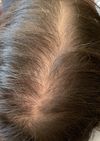
Hair loss has slowed, but uneven growth and kinking persist despite using keto/nizoral shampoo and clotrimazole. Stress and anxiety might be contributing factors.
Ketoconazole shampoo helps with dandruff and may support hair health, but users report mixed results for hair regrowth. Some users find better results with separate prescriptions of minoxidil and finasteride rather than using Hims' combined chews.
Wait 12-24 hours after dermarolling before applying topical finasteride or minoxidil to minimize irritation and allow skin recovery. If irritation occurs, space treatments further apart.
Dutasteride studies for hair loss are often sponsored by GlaxoSmithKline, raising concerns about potential bias. Despite this, some users report positive results with dutasteride and oral minoxidil, while others remain skeptical of industry-funded research.
The conversation discusses whether to continue or stop oral minoxidil for hair maintenance, with OP using spironolactone, oral and topical minoxidil, finasteride, and ketoconazole shampoo. It is suggested that stopping oral minoxidil might not cause significant hair shedding if topical treatments continue, but oral minoxidil is generally more effective for most people.
A non-binary individual experienced hair loss after stopping hormone replacement therapy and is using oral Dutasteride, oral Minoxidil, and ketoconazole shampoo. They are hopeful for regrowth but may use wigs due to the high cost and uncertain effectiveness of additional treatments like mesotherapy and PRP.
A 25-year-old saw no improvement in hair loss after using finasteride for a year and oral minoxidil for six months. Alternatives like dutasteride, microneedling, and topical treatments were suggested, but results vary.
The conversation is about incorporating tretinoin into a hair loss regimen after using minoxidil and finasteride for years, with discussions on the effectiveness of minoxidil and the potential benefits of adding tretinoin. Users also discuss the effectiveness of oral minoxidil and other topical treatments like diclofenac and fluocinolone.
A 29-year-old doctor in Australia shares his 10-year experience with finasteride and 1-year experience with oral minoxidil for hair maintenance, reporting no significant side effects and effective hair preservation. He also uses a nizoral shampoo and a compounded tablet containing finasteride, minoxidil, and a multivitamin.
The user is experiencing sudden hair loss and is considering micro-needling, low-level light therapy, iron supplements, folihair, and Omega 3. They are hesitant to start finasteride, suspecting the hair loss might be due to telogen effluvium from a past COVID-19 infection.
Exosomes are being discussed as a potential hair loss treatment, with some users skeptical about their effectiveness and stability. There is interest in different types of exosomes, including those derived from centella asiatica, and comparisons are made to other treatments like finasteride.
A 24-year-old male shares his one-year progress using oral finasteride (1 mg) and minoxidil (3 mg) for hair growth, reporting positive results without significant side effects. Other users discuss their experiences with these treatments, including concerns about side effects and the importance of consulting a doctor.
Dutasteride is hard to get in Europe due to prescription rules, leading some to consider online pharmacies or travel. Users discuss alternatives like private doctors and compare it to finasteride, expressing concerns about side effects and effectiveness.
The user experienced significant hair regrowth using finasteride every other day without side effects, starting to see results after 3-4 months. They chose not to use minoxidil due to its side effects and because finasteride effectively stopped hair loss.
A user tried to advise someone on hair loss treatments like Minoxidil, finasteride, and RU58841, but the person didn't listen. Others supported the effort but noted it's up to the individual to take the advice.
A 20-year-old has been using finasteride for 2 years and switched from 5% to 10% minoxidil, causing issues. The doctor now prescribes 5% minoxidil twice daily, dutasteride on alternate days, and 3 PRP sessions for hair regrowth.
The user experienced rapid diffuse hair thinning for five years despite no signs of AGA or miniaturization. They tried finasteride and oral minoxidil without success and have checked thyroid, iron, and vitamin D levels.
The user discusses their hair loss experience, exploring various hypotheses including thyroid levels, vitamin D, DHEA, nutritional deficiency, diabetes, seborrheic dermatitis, lack of nutrition to hair follicles, chronic inflammation, female pattern hair loss causes, cortisol, and prolactin levels. They are currently using finasteride, beta-sitosterol, and have tried topical dutasteride and microneedling therapy.
A user shared progress pictures of their FUT hair transplant in Korea, showing results one year post-op. The conversation highlights the density of the hair, the quality of Korean hair treatments, and mentions treatments like Minoxidil, finasteride, and Dutasteride.
A 28-year-old woman is struggling with Female Pattern Baldness and has tried various treatments, including Minoxidil and Spironolactone, without success. She feels frustrated with doctors' responses and is considering alternative treatments like light therapy but is losing hope in finding a solution.
A 21-year-old shares progress 1.5 months after starting finasteride (0.5 mg every other day) with no side effects, using minoxidil for beard growth, rosemary oil, and weekly microneedling. They report healthier hair texture and positive feedback from family.
A 30-year-old woman with controlled hair thinning stopped taking Spironolactone due to side effects and is considering Dutasteride. She seeks feedback from other women who have used Dutasteride for hair loss.
The user "ajsr8" shared their story of hair loss despite being on treatments. They started using finasteride in 2019 and later tried topical minoxidil, but it didn't seem to work. They also experienced side effects from other treatments. They are considering cutting off their hair and stopping the medications if there is no improvement in three months. Other users suggested trying different treatments and getting a blood test to check for underlying conditions.
Hair loss discussion mentions losing 50 strands daily as normal, but varies for individuals. Some users joke about hair loss in other areas, while others emphasize individual differences and hair cycle length.
The conversation discusses concerns about starting finasteride with low testosterone levels, with one person suggesting finasteride might increase testosterone and decrease DHT, and another advising to pay attention to thyroid-stimulating hormone (TSH) levels.
A 19-year-old male experienced significant hair loss, initially thought to be male pattern baldness (MPB), and used minoxidil and briefly finasteride. After realizing the issue was telogen effluvium (TE), he improved his diet and supplemented with vitamins, which led to substantial hair regrowth.
Treating the itch associated with male pattern baldness, which is believed to be caused by DHT. Potential treatments discussed include salt water, finasteride, ketoconazole, and RU58841.
The reasoning for GSK's approval of dutasteride for hair loss in Japan and South Korea but not the US, with alternatives such as finasteride, minoxidil and RU58841 mentioned.