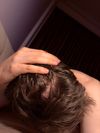
A user experienced hairline improvement after four weeks on 1.5mg dutasteride but had side effects like reduced libido and sensitive nipples. They plan to switch to finasteride to manage these side effects.
Finasteride is discussed as a hair loss treatment with benefits like reduced prostate enlargement and skin aging, but it is not seen as a "fountain of youth." Users report mixed experiences, including side effects like decreased libido and dry eyes.
A 26-year-old male with high testosterone is experiencing diffuse hair thinning despite using a comprehensive treatment regimen including dutasteride, oral minoxidil, RU58841, ketoconazole shampoo, microneedling, and low-level laser therapy. Suggestions include adjusting dutasteride dosage, monitoring iron levels, and consulting a dermatologist for further evaluation.
The user has been using finasteride, dutasteride, and minoxidil without success and is considering a comprehensive blood test to explore other causes of hair loss. They are unsure about the necessity and cost of the extensive tests and are seeking advice on whether to proceed with the full panel or focus on specific tests.
A 22-year-old male has been using finasteride, topical minoxidil, and oral minoxidil for hair loss but sees minimal improvement and is considering adding dutasteride. Users suggest additional treatments like dermarolling, PRP, and consulting a dermatologist, or considering a hair transplant.
A user on dutasteride and oral minoxidil for two years reports worsening hair loss and is seeking advice. Suggestions include consulting a professional for underlying causes, acknowledging that treatments don't work for everyone, and considering dosage adjustments or additional treatments.
The user was diagnosed with DUPA and initially treated with finasteride, then switched to dutasteride which worsened their hair loss. They are now returning to finasteride and adding treatments including oral minoxidil, Proscar, Viviscal, pumpkin seed oil, LLLT, and Nizoral shampoo, hoping for hair regrowth.
The user is considering resuming finasteride after a 6-month break and is debating the necessity of extensive blood work, including hormone and health markers, to establish a baseline. They are unsure if the tests are necessary since they experienced no side effects previously.
A user is asking about increasing their dutasteride dosage from 0.5mg to up to 2.5mg and whether it improves hair loss treatment. They are seeking experiences from others who have tried higher doses.
A 25-year-old has been using finasteride for four years to treat hair loss, starting at age 21, and has experienced significant hair thickening without side effects. Others in the conversation share varied results and experiences with finasteride, with some considering adding minoxidil to their treatment.
Hair regrowth treatments for cis-males include Minoxidil, Finasteride, and RU58841. Estrogen and testosterone blockers can help restore hair loss but may not suit everyone.
Athletes often use finasteride to maintain hair transplants, but some avoid it due to potential hormonal effects. Notable examples include Mo Salah and Conor McGregor, while LeBron James has had multiple procedures with varying success.
A user discusses dealing with lower libido caused by finasteride, considering using ED meds but unsure due to age. Replies suggest natural libido fluctuations, holistic approaches, and managing anxiety.
Genetic variations influence how people respond to dutasteride for hair loss, with some benefiting more from finasteride. Dutasteride is effective for most, but genetic differences may cause it to be less effective for some.
The conversation is about using finasteride and testosterone replacement therapy (TRT) for hair loss and their role in gender-affirming care. It debates whether these treatments are considered hormone replacement therapy (HRT) and their implications for both cisgender and transgender individuals.
A 29-year-old male experienced hair loss and reduced libido after heavy drinking from 2020 to 2024, and began using finasteride (1mg daily) and minoxidil (5% topical, once daily) in January 2026, noticing thicker hair but no new regrowth after three months. He also introduced derma rolling in February and plans to continue treatment for 6–12 months before fully assessing results.
Dutasteride significantly improved hair health and reduced shedding for a woman with PCOS and hyperandrogenism, without causing depression or anxiety, unlike finasteride. Dutasteride also helped with PMDD symptoms and had no side effects, though it changed hair texture.
A 24-year-old male experiencing diffused thinning discusses his DHT levels and hair density issues. He has not used finasteride or dutasteride and is considering AR inhibitors.
The treatment for androgenetic alopecia involves using finasteride and minoxidil with intense exercise and cold exposure to boost metabolism and reduce androgenic effects, potentially leading to hair regrowth. This approach may activate biological pathways for improved hair and overall health.
A user is experiencing worsening hair loss despite using 2.5mg Dutasteride, RU58841, and Minoxidil daily for over 8 months. They are concerned that daily nicotine from vaping might be counteracting the treatments.
The user has been using dutasteride, minoxidil, and RU58841 for two years but continues to experience excessive hair shedding, despite also taking various supplements and trying other treatments like red light therapy. They are seeking advice and sharing experiences with others facing similar hair loss challenges.
Female, 28, losing hair since 17, using 200mg Spiro. Tried Minoxidil and ketoconazole with limited success, considering oral minox and seeking alternative treatments from cosmetic dermatologist.
The conversation discusses the potential role of prolactin in hair loss and mentions treatments like HMI115, mucuna pruriens, Zinc, and B6 P5P for lowering prolactin levels. It also touches on the use of natural compounds and the lack of studies due to funding issues.
Finasteride is key for hair regrowth, supported by oral/topical minoxidil, Folexin, Nizoral/Head & Shoulders, and vitamin D. No side effects experienced; early intervention and patience are crucial.
Long aerobic exercise (over 60 minutes) can reduce DHT levels and improve hair health. Some users discuss using Tadalafil (Cialis) to further reduce DHT after exercise, while others mention using treatments like Minoxidil, Finasteride, and RU58841 for hair growth.
A user has been treating hair loss with finasteride for two years without success and is experiencing an itchy scalp with seborrhea. Despite low DHT levels, they are still losing hair, suggesting that DHT might not be the main cause of their hair loss, and they are considering other treatments or causes.
A 20-year old female experiencing hair loss, who has had normal blood tests and is currently using minoxidil as recommended by her doctor. She is asking if there are any other treatments she should consider.
A 20-year-old user experienced worsening hair loss despite using various treatments including topical and oral minoxidil, finasteride, and dutasteride. Other users suggested additional treatments like JAK inhibitors, RU58841, and lifestyle changes, but the user remains skeptical and frustrated.
The conversation discusses a hair loss flowchart for beginners, with mixed opinions on its effectiveness. Treatments mentioned include minoxidil, finasteride, dutasteride, microneedling, and vitamins.
The user is seeking opinions on their hair loss, specifically the receding of their right temple. They are considering switching to Dutasteride but are unsure if it will help. Other users suggest that their hairline has improved with the use of Finasteride and Minoxidil. One user mentions using RU58841 to thicken their hairline.
