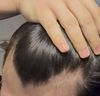
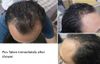
Doug-Sweeney has had positive results from using 1mg of finasteride and 5% minoxidil applied twice a day to treat his hair loss. Other users have also commented on how Doug-Sweeney looks younger with the improvements in hair quality.
The positive effects of Finasteride, a hair loss treatment; and various other treatments such as Minoxidil and Nizoral that can be used to treat hair loss. Additionally, other methods are discussed, such as micro needling and taking spearmint supplements, which have been seen to help in some cases.
An 18-year-old decided to start taking finasteride for hair loss, justifying it by stating that finasteride is the most effective treatment available and that the risk of side effects is low, with clinical trials showing it stops hair loss in 80% of men. The user encourages others not to be deterred by negative forum posts and to consider their own experience and clinical data.
The possible increased risk of severe Covid-19 cases in men due to higher androgen levels, and how taking medications such as finasteride, dutasteride, spironolactone, enzalutamide, or canabidiol might help mitigate the severity of the disease.
Concerns about finasteride's side effects on neurosteroids and brain health, with skepticism towards Kevin Mann's advice. Users discuss using finasteride, minoxidil, and RU58841 for hair loss, with mixed opinions on their safety and effectiveness.
A user is concerned about starting finasteride due to negative reports and potential side effects. Other users suggest talking to a doctor, considering personal tolerance, and note that side effects are rare.
The conversation discusses the effectiveness of Azelaic acid for hair loss, suggesting it may make Finasteride an outdated treatment for male pattern baldness. Specific treatments mentioned include Minoxidil, Finasteride, and RU58841.
Low doses of dutasteride are as effective as higher doses for hair regrowth, with fewer side effects. Users find success taking it 2-3 times a week instead of daily.
The conversation discusses various treatments for hair loss, including high doses of dutasteride, oral minoxidil, RU58841, microneedling, ketoconazole shampoo, and other supplements like pumpkin seed oil and multivitamins. It also touches on more extreme measures like estrogen therapy and castration, with some users emphasizing the importance of overall health and nutrition.
The conversation discusses the use of dutasteride (0.5 mg daily) for hair loss, with additional treatments like minoxidil, derma rolling, and nizoral shampoo. The user reports positive progress over two years with no significant side effects, emphasizing the importance of consistency and patience.
KX-826 is undergoing trials for hair loss treatment, showing similar effectiveness between 0.5% and 1.0% dosages, with mild side effects compared to finasteride. Users discuss combining KX-826 with other treatments like minoxidil and clascoterone for better results.
An 18-year-old is maintaining a stable hairline using Minoxidil, topical finasteride (Fynzur), and Dermastamp, and is considering adding oral finasteride for prevention. They seek advice on whether starting oral finasteride early is necessary given their family history and current regimen.
The user experienced significant hair regrowth and improved hair health after 5 months of using 0.5mg finasteride and 2.5mg minoxidil daily, with only minor side effects like reduced libido. The user is optimistic about achieving over 90% regrowth and may not need a hair transplant.
Creatine is humorously blamed for hair loss, with users sharing exaggerated and satirical experiences. Some users report no hair loss with creatine, while others mention using treatments like minoxidil and finasteride to manage hair loss.
A 20-year-old female with PCOS is experiencing hair loss and excessive facial hair. She is using ketoconazole and caffeine shampoos, microneedling, and considering anti-androgens like finasteride, but is cautious about minoxidil due to facial hair concerns.
The user has been using dutasteride twice a week for 8 months and oral minoxidil for 3 months but is experiencing increased hair thinning. Many recommend taking dutasteride daily for improved results.
A 31-year-old man from India is starting a hair loss treatment routine using finasteride, minoxidil, ketoconazole shampoo, and supplements for vitamin deficiencies. He is considering switching to oral minoxidil and possibly using Redensyl serum, while also exploring the effectiveness of dutasteride compared to finasteride.
The conversation discusses alternatives to minoxidil for hair loss, with suggestions including aminexil, redensyl, stemoxydyne, and topical cetirizine. Users share mixed results with these alternatives and emphasize combining treatments with dermarolling, diet, and exercise.
A boyfriend's hair improved significantly over 10 months using minoxidil, steroid cream, antihistamine cream, and wild growth oil, with a strict cleaning regimen. His partner's dedicated care contributed to the transformation.
A 25-year-old male is experiencing advanced hair loss and is using topical and oral minoxidil, topical finasteride, and vitamin D3, but has not seen significant regrowth. He is considering switching treatments, including oral dutasteride, topical spironolactone, and possibly a scalp biopsy to better understand his condition.
A user experienced significant hair regrowth after 3.5 months using topical minoxidil and weekly derma rolling. Others discussed enhancing results with finasteride, ketoconazole shampoo, and microneedling.
A 22-year-old shared their hair loss journey, starting with homeopathic treatments and later using Minoxidil and Finasteride, seeing some regrowth. They are currently on oral Finasteride, PRP treatments, and saw palmetto serum, considering reintroducing Minoxidil or switching to Dutasteride for better results.
The user experienced significant hair regrowth using oral minoxidil for 2 years and finasteride for 1.5 years, with no side effects reported. They are considering derma rolling and possibly a hair transplant in the future.
The user successfully managed hair loss using Finasteride, Minoxidil, Ketoconazole shampoo, and a hair mask, experiencing significant hair growth and improved density. They attribute their success to consistency, improved nutrition, and a dedicated routine.
A 25-year-old male is experiencing positive temple regrowth after using 1 mg oral finasteride daily and a custom topical solution from Musely containing minoxidil, dutasteride, tretinoin, ketoconazole, and hydrocortisone. He is considering adding dermarolling to enhance results, while others share their experiences and suggestions for hair regrowth treatments.
Cosmetics Hut Hair Strengthening Shampoo with Biotin Peppermint Platyclaudus is popular for reducing hair shedding. Other treatments mentioned include Minoxidil, finasteride, ketoconazole shampoo, and biotin supplements.
Mixing RU58841 with a solution for hair loss treatment, with suggestions to use propylene glycol and ethanol instead of k&b solution due to scalp irritation. Recommendations include using ketoconazole shampoo for itchiness and considering oral minoxidil if topical causes irritation.
The conversation discusses hair loss treatments, specifically the use of minoxidil and dermarolling, with suggestions to add finasteride for better long-term results. The user shares progress after two months of using topical minoxidil twice daily and dermarolling once a week, while considering starting finasteride.
The user experienced significant hair improvement using topical Minoxidil and oral Finasteride, despite an initial shedding phase. They prefer oral Finasteride for convenience and are considering oral Minoxidil, while others in the conversation discuss potential side effects and personal experiences with these treatments.