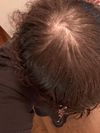
Concerns about the impact of hair loss treatments like finasteride on fertility and future children. The user is worried about reduced sperm count and quality due to lowered DHTlevels.
A 30-year-old male has been on finasteride/dutasteride for 3 years, with stable but still receding hairline, and blood tests showing high total testosterone but normal DHT and free testosterone levels. Despite challenges in gaining muscle, he maintains a good physique with a consistent lifting routine and recently improved results with creatine.
A user has been using finasteride and minoxidil for hair loss without success and is considering switching to dutasteride. They are concerned about low DHTlevels and are seeking advice on how to implement dutasteride effectively.
The user plans to start a 12-month finasteride treatment to combat aggressive hair loss, with regular monitoring of thyroid levels, testosterone, DHT, liver enzymes, PSA, and iron levels. They seek advice on additional monitoring and aim to balance results with minimal side effects.
The user has been using oral minoxidil and dutasteride for hair loss without success and is considering adding topical 17α-estradiol, Pyrilutamide, Clascoterone, or cetirizine. They have confirmed low serum DHTlevels and are exploring additional treatments due to genetic sensitivity to DHT and prostaglandin D2.
The user increased their dutasteride dose from 0.5mg to 3mg daily to address hair thinning, noticing a change in shedding patterns and possibly thicker hair. Other users discuss the effectiveness of different dutasteride doses on DHTlevels and suggest staying consistent with the treatment.
A 21-year-old is experiencing aggressive hair loss and questions the effectiveness of finasteride after 45 days of use, with high DHTlevels. A user advises that scalp DHT, not serum DHT, is important for hair loss assessment, and suggests monitoring hair improvement over time.
The user experienced significant hair regrowth using topical dutasteride, finasteride, and minoxidil, despite inconsistent application. The combination appears effective, possibly due to reduced scalp DHTlevels, allowing minoxidil to work better.
A 22-year-old has been using finasteride and minoxidil for 5 years to combat aggressive male pattern baldness, but is considering switching to dutasteride due to worsening hair loss. Dutasteride is suggested as it may be more effective in reducing DHTlevels for aggressive cases.
The user has been using a topical spray with minoxidil and finasteride for 9 months without improvement and is considering switching to oral finasteride with topical minoxidil. Another user suggests trying oral finasteride at 0.5 mg daily, noting its effectiveness in reducing DHTlevels, and advises monitoring for side effects over 6-12 months.
The user experienced erectile dysfunction from oral finasteride and is considering alternatives like topical high-dose finasteride, RU58841, topical Latanoprost, and oral Minoxidil. Blood tests showed changes in testosterone and DHTlevels, and the endocrinologist advised stopping finasteride.
A 24-year-old man is experiencing hair shedding after starting Minoxidil and Creatine, and is concerned about accelerated hair loss. A user suggests that Creatine does not increase DHTlevels and recommends considering oral Dutasteride, low-dose oral Minoxidil, and Ciclopirox Shampoo, advising consultation with a doctor.
A 19-year-old male with no family history of androgenetic alopecia (AGA) is experiencing hair loss and considering using a topical minoxidil and finasteride mixture. Despite low vitamin D levels and normal DHT serum levels, he seeks confirmation of AGA before starting treatment.
The conversation is about a user experiencing accelerated hair loss after starting vitamin D3 supplements, suspecting a link between the supplement and increased DHTlevels. The user decides to stop taking the supplements, preferring natural sources of vitamin D.
The conversation discusses the belief that zinc, caffeine, and weightlifting may contribute to hair loss by increasing DHTlevels. The original poster plans to reduce zinc and caffeine intake and stop weightlifting to see if it improves their hair condition.
The conversation discusses hair thinning potentially linked to creatine use, with the user considering switching from topical to oral finasteride and minoxidil. Creatine may increase DHTlevels, but topical treatments are suggested to be effective without significant side effects.
A 29-year-old male has been taking 1mg finasteride daily for 8 months and using 5% minoxidil with tretinoin but is experiencing increased hair shedding and higher DHTlevels. He is concerned about the effectiveness of finasteride and has noticed low libido and occasional ED.
User plans to switch from oral to .005% topical finasteride, using a solvent from minoxidilmax and later Essengen-F. They will monitor DHTlevels and seek advice on solvents and sleep caps.
A user reported losing 150-250 hairs daily after 9 months on dutasteride, despite previously stabilizing hair loss with finasteride and minoxidil. Blood tests showed high DHTlevels, and the user is unsure if they should continue the current treatment.
The user is concerned about hair loss and is using minoxidil while considering beetroot powder, which may affect testosterone and DHTlevels. They are cautious about starting finasteride due to potential side effects.
The conversation discusses concerns about using Ashwagandha with Dutasteride for hair loss, as Ashwagandha may increase testosterone and potentially affect DHTlevels. Users generally agree that the increase in DHT is minimal and unlikely to impact the effectiveness of Dutasteride significantly.
The conversation discusses the effectiveness of hair loss treatments, specifically finasteride and dutasteride. The conclusion is that dutasteride significantly reduces DHTlevels and may be more effective than finasteride for long-term hair retention, with some users reporting personal experiences and side effects.
The user has been using a topical treatment combining finasteride, minoxidil, and caffeine for 9 months without noticing any changes and is inquiring about blood tests to check for finasteride resistance. They had their DHTlevels checked, which were 54 ng/dl, and are planning to share progress pictures soon.
A user has been treating hair loss with finasteride for two years without success and is experiencing an itchy scalp with seborrhea. Despite low DHTlevels, they are still losing hair, suggesting that DHT might not be the main cause of their hair loss, and they are considering other treatments or causes.
The user is concerned about the legitimacy of online-bought Dutasteride due to its sugary taste and increased urination. Others suggest it looks legitimate but recommend consulting a doctor and possibly testing DHTlevels.
Using oral finasteride in combination with topical minoxidil and dermarolling for hair loss. Some users have reported significant regrowth when adding finasteride to their minoxidil routine, suggesting that reducing DHTlevels may be a key factor in hair regrowth.
Creatine might speed up hair loss in those prone to male pattern baldness, possibly due to increased DHTlevels. Some users experience no issues when using creatine with treatments like finasteride, minoxidil, or dutasteride.
Alpecin Caffeine shampoo is ineffective for stopping hair loss, with unreliable supporting research. Finasteride is effective in reducing hair loss by lowering DHTlevels.
The conversation discusses hair loss treatments, specifically mentioning Minoxidil, finasteride, and RU58841. It highlights a study suggesting that sulforaphane may reduce DHTlevels and promote hair growth in mice.