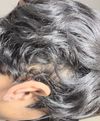
The conversation humorously discusses using finasteride to combat hair loss, referencing "Dune" themes. Users agree that finasteride is essential for maintaining hair.
User shared progress pictures after 7 months of using 0.25mg finasteride daily and 1ml minoxidil twice daily, reporting no side effects and being thrilled with the results. Other users discussed the effectiveness of lower doses and the psychological impact of potential side effects.
The post and conversation are about a user experiencing hair regrowth after using Minoxidil 5% twice daily, topical finasteride 0.05% once daily, weekly microneedling, and ketoconazole shampoo. Other users noted visible progress and shared their own treatment experiences.
A user reported significant hair thickening and new baby hairs on the hairline after 11 months of using 1mg finasteride every other day and microneedling once a week. They experienced no shedding, and finasteride stopped all hair loss within 24 hours of the first pill.
The user shared their 9-month progress using exosomes and topical minoxidil for hair loss, concluding that minoxidil was more effective for them than exosomes. They plan to continue using minoxidil and have started finasteride while managing dandruff with salicylic acid.
Topical treatments like minoxidil and finasteride are preferred for hair loss due to ease of use and natural appearance. Hair systems are considered high-maintenance and less genuine.
Tretinoin is used with minoxidil to enhance hair growth, with some users applying tretinoin before minoxidil to improve results. Some users report success with this combination, while others experience irritation or dryness.
A 49-year-old man has been using 1 mg of finasteride daily and microneedling weekly for four months to address hair loss, with no side effects and noticeable progress. He shares his experience and encourages others to consider treatment options without fear.
A user experienced hair regrowth using 1mg oral finasteride and 5% topical minoxidil daily. Other users shared their own hair loss treatment experiences and concerns.
A user experienced facial swelling while taking spironolactone for androgenic alopecia, despite its diuretic properties. They are unsure about increasing the dose due to this side effect.
The user experienced hair thinning after switching from topical to oral minoxidil while also using finasteride. They are considering returning to topical minoxidil due to lack of improvement with the oral version.
The user is experiencing increased hair shedding after 7 months of using a topical solution and is considering switching to oral treatment. They are concerned about thinning hair around the corners and temples.
Beard gains from minoxidil are usually permanent due to facial hair follicles' lower sensitivity to DHT. Scalp hair requires ongoing DHT suppression with treatments like finasteride, dutasteride, and RU58841 to maintain gains after stopping minoxidil.
A user shared progress pictures after one year of using 2.5mg Minoxidil and 1.25mg Finasteride for hair loss. The discussion includes suggestions for additional treatments like dermastamping, dutasteride, and increasing Minoxidil dosage, with mixed opinions on the effectiveness of current treatments.
The user is experiencing prolonged hair shedding despite using Dutasteride, Xpecia, Ocean Capilus, and microneedling. They are considering adding minoxidil due to concerns about the effectiveness of their current regimen.
The user experienced significant hair shedding from months 4 to 11 after starting oral dutasteride and minoxidil but saw improvement by month 13. They recommend patience and using a DHT blocker to stabilize hair loss.
A 22-year-old is using minoxidil for hair loss but is hesitant to start finasteride due to mixed advice and fear of side effects. They seek guidance on whether to begin finasteride despite concerns about potential permanent side effects.
Topical spironolactone is discussed for hair loss treatment, with mentions of DIY solutions and dermatologist compounding. Users inquire about regrowth and sourcing the treatment.
The conversation is about sourcing RU58841 for hair loss treatment in Australia and discusses the lack of effective alternatives. Alternatives mentioned include Kx826, fluridil, cb, alfatradiol, and topical spiro, but they are considered weak compared to RU58841.
A 24-year-old woman being diagnosed with androgenic alopecia (AGA) who is scared and confused about her hair loss, and the treatment options of Minoxidil, finasteride, RU58841, spironolactone, and possibly a biopsy.
A user's success story of improving their hair loss with treatments that include finasteride, dutasteride, minoxidil, nizoral, and dermastamping; other products that have been tried with varying results; and potential side effects.
28M shares hair transplant results 6 months after 3633 grafts via FUE by Dr. Rahal in Ottawa, costing ~$24k CAD. Users discuss the impressive results, procedure experience, and cost breakdown.
User shares progress update on hair loss treatment using finasteride, minoxidil, and microneedling. Others congratulate and ask questions about treatment details, such as microneedling tool, needle size, and side effects.
User reports 3-month progress using Fin 0.5mg/day, 1x minox 5%, keto shampoo every 3 days, and microneedling 1.5mm a week. Others suggest shaving sides or trying shaved head look, while some discuss side effects and dosages.
User experienced hair loss and tried various treatments, including Minoxidil, Finasteride, and Spironolactone. They face a dilemma between continuing treatments for hair regrowth and having a therapy cat, as Minoxidil is toxic to cats.