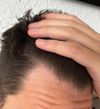
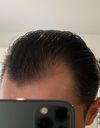
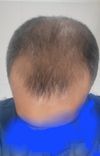
A dermatologist advised stopping minoxidil and trying redensyl serum, while also starting finasteride. Concerns were raised about increased hair loss after stopping minoxidil.
User on Dut, oral minox 20 mg, Saw Palmetto, Pumpkin Oil, RU, 8% topical minox, and topical fina for hair loss; top of head improves, but retrograde alopecia worsens. Asks for options besides exosomes and where to find topical melatonin.
How androgens, including testosterone, can cause hair follicles to miniaturize in people with sensitivity to androgens, and treatments such as finasteride, dutasteride, minoxidil, RU58841, or fluridil may be used in combination for long-term treatment.
A 22-year-old male experiencing hair loss suspects androgenetic alopecia (AGA) and possibly telogen effluvium (TE), with a noted improvement in scalp itch after adopting a gluten-free diet. He is advised to consider treatments like finasteride or minoxidil and to check iron and ferritin levels.
A 22-year-old with 4c hair is considering a hair transplant to address traction alopecia caused by braid extensions. They have tried derma stamping, oils, and minoxidil but stopped due to side effects.
A user experiencing hair loss received three different diagnoses: androgenic alopecia, traction alopecia, and scarring alopecia, and tried treatments like minoxidil and finasteride without success. They are considering dutasteride but were advised to seek anti-inflammatory medication instead.
The user experienced a receding hairline and tried minoxidil, which may have slowed the process but caused puffy eyes. They are hesitant to use finasteride and suspect oily dandruff might be an aggravator.
The user is experiencing hair loss and has been using RU58841 but is considering pyrilutamide and minoxidil, avoiding finasteride due to side effects. Another user suggests finasteride or dutasteride as essential, possibly in topical form, while dismissing saw palmetto as ineffective.
The user experienced hair thinning in the middle of their head despite using finasteride and minoxidil and having a hair transplant. They are concerned about the thinning and considering shaving their head, while being advised to continue treatment and manage stress.
Androgenetic alopecia is affected by scalp DHT levels, not sensitivity, with treatments like finasteride and dutasteride aiming to optimize these levels. Personalized DHT management is crucial for effective hair growth.
A 27-year-old male is experiencing hair loss and dandruff, despite trying various treatments like cortisone, diflucan, and natural remedies. He is considering shaving his head and is seeking advice on the "Big 3" treatment, which includes Minoxidil, finasteride, and RU58841.
A 31-year-old experiencing rapid hair loss is considering whether to shave their head or use treatments. They were prescribed B12, topical finasteride 0.1%, and minoxidil 10% but are unsure about the correct dosage and potential side effects.
The user suspects scarring alopecia and is exploring NSAIDs and turmeric/pepper for inflammation-related hair loss, having experienced burning and thinning with finasteride and testosterone reduction. They are seeking feedback while unable to afford a dermatologist.
Hair loss can begin in early adolescence and cause mental anguish. Treatments mentioned include eating cruciferous vegetables, engaging in physical activity, and maintaining scalp hygiene.
A 29-year-old male experienced hair loss and found improvement using a combination of onion hair oil, castor oil, ketoconazole shampoo, and aloe vera gel with vitamin E, while discontinuing minoxidil and finasteride due to side effects. He emphasizes the importance of scalp massage and oiling for hair growth and reduced hair fall.
The user is experiencing severe hair loss and color change despite low testosterone levels and healthy lifestyle changes. They have tried ketoconazole shampoo and consulted a dermatologist, who found no scalp issues but suggested using Toppik for coverage.
A user reversed hair loss using 0.5 mg of dutasteride daily without side effects. Others noted hair thickening but questioned the absence of minoxidil use.
A user shared their hair regrowth journey using finasteride, minoxidil, and later switching to dutasteride and oral minoxidil, seeking advice on the effectiveness of these treatments and the potential impact of diet changes. Other users commented on their own experiences with similar treatments, with mixed results and questions about side effects like body hair growth.
The user struggles to cover their entire scalp with 1 ml of RU58841 while using dutasteride and oral minoxidil for hair loss. Suggestions include using a syringe for precise application, applying twice daily, and considering the use of more than 1 ml to ensure full coverage.
A user experienced hairline improvement after four weeks on 1.5mg dutasteride but had side effects like reduced libido and sensitive nipples. They plan to switch to finasteride to manage these side effects.
Using roll-on bottles for applying minoxidil and RU58841 improves application efficiency and reduces product waste. Topical treatments are used continuously, except on microneedling days.
A 30-year-old male using oral Finasteride, topical Minoxidil, and bi-weekly dermarolling has experienced noticeable hair regrowth, including new hairs at the hairline and temples, with reduced hair shedding. He reports no side effects from Finasteride after initial lethargy and mood changes.
The conversation is about whether to continue using minoxidil before a hair transplant or stop it and let hair loss progress. Most suggest staying on minoxidil for better results, despite potential long-term use concerns.
Oral minoxidil and spironolactone helped restore the hairline but not the scalp behind it. Hairline and temples often respond first to treatment, with mid-scalp and crown following later.
The conversation discusses hair loss treatments, focusing on the use of finasteride (fin) and minoxidil (min), with some users recommending dutasteride (dut) for stronger results. Many users emphasize that these treatments are affordable and effective, with some sharing personal experiences of hair regrowth and side effects.
A 47-year-old male experienced hair regrowth after 4 months of using topical minoxidil and derma stamping, with additional use of keto shampoo. He noticed improvements, especially at the back and front of his head, despite irregular derma stamping sessions.
A 23-year-old experiencing hair thinning has seen noticeable improvement after using 1.25 mg oral finasteride for over a year and recently starting 2.5 mg oral minoxidil, along with ketoconazole shampoo. They are considering a hair transplant in the future and have not experienced any side effects from the medication.
A 20-year-old has been using finasteride and minoxidil for hair loss, with finasteride slowing hair loss but no noticeable regrowth from minoxidil. They are considering switching to oral minoxidil and dutasteride for better results.
Curly and wavy hair can make hair loss appear worse due to clumping, but using less product, shorter cuts, and leave-in conditioner can help manage appearance. Minoxidil and finasteride are considered for treatment, and some find that styling can hide thinning areas.
The user is considering using RU58841 and pyrilutamide for hair loss, debating between powder and topical forms, and is currently using a combination of dutasteride, finasteride, minoxidil, tretinoin, and supplements. They report no significant side effects from finasteride and dutasteride, and are seeing some hair growth, but not on the scalp.