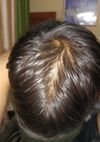
The user is seeking alternative hair loss treatments due to side effects from finasteride and minoxidil. They are inquiring about the availability of gt20029 from u-lab.
The conversation discusses a comparison table for a spray combining Minoxidil and Finasteride for hair loss treatment in the UK. Specific treatments mentioned are Minoxidil (Min) and Finasteride (Fin).
A user increased their dutasteride dosage from 0.5mg to 1mg daily, resulting in a rise in DHT levels from 148 pg/mL to 281 pg/mL, and is considering switching back to finasteride due to continued hair loss. Replies suggest retesting and emphasize the importance of bloodwork before starting treatments.
Taking dutasteride with a meal containing fat may improve absorption, but consistency in routine is more important than timing. Minor variations in absorption won't significantly affect efficacy due to dutasteride's long half-life.
The conversation discusses converting liquid minoxidil into a foam version to save money. The user is exploring if a foam sprayer can achieve this or if additional ingredients are needed.
The conversation discusses hair loss treatments, including finasteride, microneedling, minoxidil, and PTD-DBM. The user has not noticed significant regrowth and is considering cost-effective options like valproic acid.
The user experienced hair regrowth using a combination of finasteride and minoxidil, but had to stop due to liver issues and switched to dutasteride. After resuming dutasteride and minoxidil, they faced absorption issues with minoxidil and sought advice on improving absorption.
Hair loss treatment effectiveness varies by individual response, with some seeing results from low doses of finasteride while others see no improvement from more aggressive treatments. The consensus is that finasteride, dutasteride, and minoxidil are effective, but their success depends on personal biology.
The user discusses their experience with minoxidil for hair loss, noting that drinking coffee may reduce its effectiveness. They observed better results with the liquid solution and no coffee compared to using the foam solution and drinking coffee.
The user is taking 2.5 mg dutasteride and 5% minoxidil but is not seeing hair regrowth, and is considering adding RU58841. They are experiencing fatigue and low MCV/MCH, possibly related to dutasteride, and are advised to be patient, consider microneedling, and check for iron deficiency.
Minoxidil foam absorption concerns, with suggestions to use gloves or apply directly to the scalp to ensure proper absorption. Some users recommend using a scalp massager or switching to liquid minoxidil for better application.
User experienced hair kinking after starting minoxidil, despite being on finasteride for two years. Another user confirmed similar issues and suggested switching brands due to propylene glycol in minoxidil.
The user has tried minoxidil, finasteride, dutasteride, tretinoin, and microneedling for hair loss without success and is considering taking 2.5 mg of minoxidil orally by mixing it with bottled water, questioning if this affects the solution's stability.
The conversation discusses whether a product recommended by a Portuguese pharmacist is the same as Minoxidil. Treatments mentioned include Minoxidil, Finasteride, and RU58841.
A 20-year-old diffuse thinner has been using finasteride for 8 months and is considering adding minoxidil to their routine. A user suggests incorporating minoxidil for quicker regrowth, despite the hassle of daily application, while continuing finasteride.
The conversation is about the effects of green tea on DHT levels and its impact on hair loss. It concludes that natural remedies like green tea are less effective than hair loss drugs such as Minoxidil, finasteride, and RU58841.
Minoxidil may age skin by slowing collagen synthesis, but using collagen peptides and a basic skincare routine might counteract this. Foam minoxidil could reduce systemic absorption and avoid alcohol-related side effects.
A user noticed a color change in their hair loss solution containing minoxidil, finasteride, retinoic acid, and hydrocortisone after storing it for several months. They are concerned about the effectiveness of the solution due to potential oxidation.
The conversation discusses the absorption and effectiveness of PG-free versus PG versions of RU58841, with some users believing PG improves efficacy while others see no difference. Concerns about RU58841's potential side effects on the endocrine system are also mentioned, with one user considering switching to pyrilutamide.
The conversation is about a user experiencing hair loss who has been using finasteride for a year and minoxidil once a day for five months, but still experiences shedding and thin hair. The user is considering switching to dutasteride next year and shares their progress with others using similar treatments.
The conversation discusses the conflicting information about Zinc's effect on DHT and its role in hair loss. It mentions that Zinc can act as a 5AR inhibitor at high doses but may increase DHT if taken to correct a deficiency, and highlights the importance of nutritional balance for hair health.
DIM is suggested to help with estrogen metabolism for those on finasteride or dutasteride, potentially reversing side effects like fat gain and mood changes. Some users doubt its effectiveness, recommending lifestyle changes or consulting a doctor instead.
A 29-year-old male is using alcohol-based 5% topical minoxidil, oral minoxidil 2.5 mg daily, and dermarolling to address hair loss, after discontinuing topical finasteride due to sexual side effects. He notices improved hair quality and thickness but is concerned about density and seeks feedback on his progress.
The conversation discusses a topical finasteride therapy with hydrocortisone butyrate, estrone base, and breviline. A user suggests oral finasteride as a superior option.
A $3 hair oil applicator is recommended for applying minoxidil efficiently, reducing wastage and oily scalp issues. Users discuss cleaning methods and price differences.
A user inquires about the effectiveness of using more than the standard 0.5mg dose of Dutasteride for hair loss, mentioning studies suggest 2.5mg is more effective. Another user shares their experience of taking 1mg without noticing a difference, despite studies indicating 2.5mg may be better.
A user was prescribed a topical solution containing 10% Minoxidil and 0.1% Finasteride for hair loss. They are seeking experiences with these dosage levels.
User suggests using a blow dryer after applying Minoxidil for hair loss treatment, and shares personal success with temple regrowth using Minoxidil and Finasteride. Another user shares their method of applying Minoxidil with long hair and agrees with blow-drying.