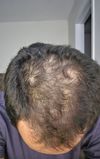
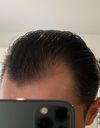
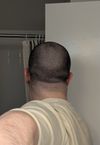
Finasteride may affect liver function and cortisol levels, potentially linking it to non-alcoholic fatty liver disease (NAFLD). More research is needed to understand this connection fully.
The user experienced hair thinning due to a testosterone spike and used a minoxidil solution and topical finasteride gel. After four months, the gel caused side effects without improving hair thinning, leading to questions about continuing or adjusting the treatment.
The user is exploring alternatives to hair transplants due to a weak donor area and is currently using finasteride, minoxidil, dermapen, low-level laser therapy, Nizoral shampoo, and a high-protein diet. They plan to switch to dutasteride and consider adding RU58841, while rejecting hair systems and considering a buzz cut.
The user had two FUT hair transplants with 4,600 grafts for increased density, costing about $11,000 each, and has been using oral minoxidil and finasteride for over five years without side effects. The results are natural-looking with no visible scarring, and the user finds the procedure valuable despite the cost.
The user experienced improved hair density after 3 months of oral finasteride and 1 month of oral minoxidil, along with changes in diet, supplements, and hair care. They are unsure if the improvement is due to these treatments or changes in hair care habits.
A 35-year-old male has been using finasteride for 2.5 years but still finds his hair loss unsatisfactory and is considering a hair transplant. He is seeking advice on the number of grafts needed and affordable options in Canada.
A user's successful hair regrowth journey using a cocktail of finasteride, minoxidil, and ketoconazole. The user started seeing noticeable results after 8 months and also incorporated saw palmetto, biotin, keratin, and dermarolling into their routine.
A user shared their hormone levels to gauge if they can use finasteride for hair loss without issues. Their hormone levels are mostly within the reference ranges.
The user is using a regimen of topical Minoxidil and Finasteride, oral Minoxidil, and a thickening shampoo and conditioner. They report no side effects except increased body hair, which they don't mind.
A user is seeking feedback on a homemade topical finasteride formula for hair loss, consisting of 7.5 mg of finasteride, propylene glycol, ethanol, and distilled water. They aim to achieve a 0.0125% solution by applying 2 ml daily.
The conversation is about a user using minoxidil for 90 days and topical finasteride for 2 weeks to address hair loss, with concerns about finasteride's impact on fertility. The user is also using Nizoral shampoo and microneedling, and is advised to stay consistent despite initial shedding.
A user shared progress pictures showing successful hair retention using a low-dose topical finasteride (0.008%) combined with minoxidil. Users discussed the effectiveness of the treatment, minimal effective dosing, and avoiding systemic side effects.
The user experienced hair thinning in the middle of their head despite using finasteride and minoxidil and having a hair transplant. They are concerned about the thinning and considering shaving their head, while being advised to continue treatment and manage stress.
The user experienced significant hair regrowth using a topical treatment of Minoxidil and Finasteride, despite some brain fog as a side effect. They recommend starting treatment early and suggest topical options to minimize side effects compared to oral treatments.
A 31-year-old male considering returning to finasteride at a lower dose or using topical finasteride to assess his Norwood scale for a potential future hair transplant. He previously stopped finasteride due to side effects and has been shaving his head.
A user on 1mg finasteride for a year has low estradiol levels but no significant symptoms, and others suggest monitoring without immediate concern. Some users discuss potential effects of low estrogen, like low libido, but the user reports no erectile dysfunction.
A 23-year-old male shares progress pictures after two months of using oral finasteride and topical minoxidil for hair loss, noting significant improvement in hair fullness and reduced scalp sensitivity. The user expresses gratitude for the dermatologist's support and the community's advice.
Individuals with oily scalps, dandruff, and diffuse thinning hair loss who have managed to either halt the loss or regrow their hair by using topical finasteride and minoxidil as well as microneedling and ketoconazole 2% shampoo.
The conversation discusses combining topical and oral finasteride to address hair thinning, with concerns about safety and effectiveness. Users also mention alternatives like dutasteride and minoxidil, and the potential risks of topical treatments during pregnancy.
The user has maintained hair thickness using oral finasteride and minoxidil for four years, with suggestions to consider dutasteride or a hair transplant for further improvement. Some users recommend trying topical minoxidil with tretinoin or increasing the oral minoxidil dose for better results.
The conversation discusses hair loss treatment options, focusing on finasteride and its potential effects on gynecomastia. The user is considering finasteride while managing hormone levels with supplements like boron, vitamin D, zinc, magnesium, and P5P, and is advised to consult an endocrinologist for further evaluation.
The user combined Minoxidil and finasteride for hair regrowth and is seeing some improvement. Others noted thicker hair and suggested sticking with finasteride instead of switching to dutasteride.
The user is using a treatment of topical minoxidil 7% and finasteride 0.1% twice daily, along with a low-level laser therapy cap, biotin, and collagen supplements, and is seeing good progress on the hairline and temples but not the midscalp. They experienced initial shedding, saw results by month three, and are happy with the progress, though some users express concern about using finasteride at a young age.
The user has been using topical finasteride and minoxidil for about 5 months and feels progress on the back of their head has stalled, while the front and top look good. They are considering whether to let their hair grow out despite feeling the contrast is awkward.
The user experienced significant hair growth and increased density after using 1.1mg finasteride for 4-5 weeks and switching from topical to oral minoxidil (3mg) for 3 weeks. They reported no shedding and were uncertain if the growth was due to the oral minoxidil or finasteride.
A user was diagnosed with male pattern baldness and prescribed biotin, vitamin D, a hair serum, fluocinolone shampoo, and a gel with minoxidil and finasteride. Other users suggest focusing on oral finasteride and minoxidil, questioning the necessity of the other treatments.
User reports 12-week progress with HIMS spray, Minoxidil, micro-needling, and biotin. Notable baby hairs on crown and temples, hoping for further improvement.