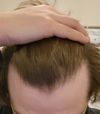
Finasteride helped users feel better about hair loss, with some experiencing positive changes in confidence and reduced anxiety. Despite initial concerns, users reported satisfaction with the treatment over several months.
A user experienced severe side effects, including erectile dysfunction and testicular pain, after taking finasteride for hair loss. They recommend sticking to minoxidil and biotin and avoiding finasteride due to potential risks.
The user switched from finasteride to dutasteride for hair loss and noticed elevated cholesterol levels, questioning if dutasteride caused this change. They also take Vitamin D, biotin, magnesium, ginkgo biloba, omega-3, and NAC, and are concerned about the impact of these supplements and their health on cholesterol levels.
A user is experiencing hair loss despite using finasteride for over seven months and is considering switching to dutasteride, but is unsure due to mixed reviews. Another user shares a similar experience and has started using oral minoxidil and dutasteride in hopes of improvement.
The conversation discusses diffuse unpatterned alopecia (DUPA) and its possible causes, including sensitivity to DHT, not being androgenic alopecia, being diffuse alopecia areata, or hormonal issues. Treatments mentioned include topical melatonin, Clobetasol Propionate for alopecia areata, and the lack of results from using finasteride, dutasteride, and minoxidil.
The user experienced hair thickening and regrowth using dutasteride on alternate days, oral minoxidil every third day, and daily hair massages, but is dealing with dandruff and inflammation. They are considering adjusting their minoxidil dosage and have started using ketoconazole shampoo and cupping therapy for additional benefits.
A user started using RU58841 for hair loss and experienced anxiety and physical discomfort. Other users suggested avoiding the treatment due to similar side effects and recommended alternative treatments like pyri.
Dutasteride is often blamed for worsening hair loss, but initial shedding may lead to improvement, requiring patience. Some users find success with dutasteride, finasteride, and minoxidil, while others experience side effects or no improvement.
Finasteride is debated for causing dry eyes, with some users experiencing relief after stopping it, while others find no connection. Topical treatments like dutasteride and minoxidil are suggested as alternatives, with advice to consult medical professionals.
Dutasteride capsules should not be bitten or opened due to their foul taste and potential caustic effects. Users shared experiences of accidentally biting capsules and the unpleasant taste, with some suggesting swallowing techniques to avoid this.
The conversation discusses using aromatase inhibitors with dutasteride or finasteride for hair loss, which can prevent testosterone from turning into estrogen but may lead to increased DHT and potentially make finasteride less effective. There's concern about proper dosing and side effects like gynecomastia and emotional changes.
The post discusses the theory that persistent dandruff in areas prone to hair loss could be a sign of hair follicles dying due to DHT, indicating balding. The responses vary, with some users noting improvements in dandruff and hair loss with treatments like Dutasteride, while others experienced hair loss without dandruff.
A 36-year-old switched from Finasteride to Dutasteride after 6 years due to thinning hair, adding oral Minoxidil for regrowth. Dutasteride improved hair thickness with fewer side effects, while Finasteride caused anxiety and back pain.
A user experienced facial swelling while taking spironolactone for androgenic alopecia, despite its diuretic properties. They are unsure about increasing the dose due to this side effect.
Dutasteride doses matter for hair loss treatment and are more effective than finasteride. RU58841 is suggested for better gains, but side effect profiles should be considered.
Mesotherapy Dutasteride is considered highly effective for reducing scalp DHT and potentially reversing hair loss. However, one user reported systemic side effects and no improvement in hair loss.
Finasteride and dutasteride, used for hair loss, can cause sexual dysfunction, depression, and suicidal thoughts, with some effects persisting after stopping. The post stresses the importance of being aware of these risks.
User experiencing hair loss on dutasteride; others suggest shedding is normal and to track progress with pictures. Some mention using RU58841 for improvement.
A user is experiencing severe hair loss, diagnosed with seborrheic dermatitis, and is using Ketoconazole and beclomethasone. They are concerned about potential female pattern baldness and are seeking reassurance and advice.
The user experienced hair regrowth with dutasteride but later lost progress despite using minoxidil foam and dermastamping. Suggestions included reducing dermastamping frequency, conducting blood tests, and considering oral minoxidil or different brands of dutasteride.
The conversation discusses preferences for hair loss treatments, specifically finasteride over dutasteride. Users share personal experiences, cost considerations, FDA approval status, and potential side effects, with some switching between treatments to find what works best for them.
Combining oral dutasteride with topical minoxidil and finasteride is being considered to improve hair regrowth. The user is concerned about potential side effects and seeks experiences from others.
The user experienced initial hair density improvement with finasteride, but later felt scalp pain and a plateau in results. They added alfatradiol for scalp inflammation and divi scalp serum to their routine, and are curious if others have similar experiences.
Dutasteride improved hair density and thickness in men who didn't respond to finasteride, with some experiencing transient sexual dysfunction. Users discussed switching from finasteride to dutasteride, noting initial shedding but eventual hair improvement.
The conversation discusses hair loss treatments, focusing on reducing scalp itching and dandruff using natural shampoos, witch hazel, and apple cider vinegar. The user also mentions using finasteride and observing potential regrowth, though it's difficult to confirm.
The user shared their experience with Finasteride and Dutasteride for hair loss. They initially had success with Finasteride but switched to Dutasteride after experiencing shedding, which continued, and are now considering a hair transplant.
Finasteride is recommended for hair loss treatment, with potential side effects like erectile issues in 1 in 33 users, which typically resolve after stopping the drug. Users report mixed experiences, with some experiencing initial side effects like brain fog and others seeing no issues, and the drug is generally considered effective for maintaining or regrowing hair.
Minoxidil is used for hair loss and sometimes for high blood pressure, but it's outdated for the latter. For high blood pressure, it's combined with a beta blocker and diuretic to manage side effects.
The user experienced side effects from using finasteride, both topically and orally, alongside minoxidil for hair loss. They reported increased hair shedding and are feeling distressed about their receding hairline.
The user is experiencing continued hair loss despite using finasteride, dutasteride, and minoxidil, and is advised to improve diet, check for deficiencies, and consider other treatments like microneedling. Suggestions include sticking with the current regimen, considering a hair transplant, or accepting hair loss and shaving.