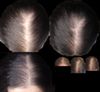
Chris's hair transplant looks better, but the hairline is criticized for being too straight and unnatural. Some recommend using finasteride and minoxidil for maintenance.
The user increased their steroid dosage and noticed hair shedding, so they adjusted their regimen by reducing steroid doses and adding oral dutasteride. They are also experimenting with combining RU-58841 and KX-826/pyrilutamide in minoxidil to address hair loss.
The potential hair regrowth benefits of ASC-J9, a synthetic modified version of curcumin that is said to be more effective than Minoxidil and Finasteride. Reports from users suggest good thickening and temple regrowth with topical use at 0.025% concentration.
Hair is growing faster after 2 weeks of using topical vitamin D3 in alcohol/oil. The user plans to continue the experiment for 3 months before giving a full review.
The conversation is about a user switching from finasteride to dutasteride after 4 years due to continued hair recession and miniaturization. The user plans to gradually increase to 1mg of dutasteride daily.
An 18-year-old male is experiencing significant hair shedding, particularly from the back of his head, despite normal blood test results except for slightly low vitamin D. A dermatologist prescribed minoxidil for receding temples, but the cause of the shedding remains unclear.
Minoxidil is applied beyond the crown, including the hairline and other areas, despite labels suggesting crown use only. Users report success with broader application, and some prefer oral minoxidil for convenience.
Breezula's effectiveness is uncertain, with some users skeptical about its potential and others noting its recent availability on the grey market. A user reported success with a stack of Dutasteride (oral), Minoxidil (topical), and RU58841 (topical), achieving significant hair improvement after 18 months.
RU58841 was the only treatment that slowed hair loss and reduced irritation for a DUPA sufferer after trying finasteride, minoxidil, and dutasteride with no success. The user continues using 6mg oral minoxidil, 0.5mg dutasteride, and an 8% RU58841 solution.
A user has been using Stemoxydine (Kerastase Cure Densifique) along with finasteride, rogaine 5% foam, nizoral, and revian red lllt for hair loss but needs a new Stemoxydine product since Kerastase discontinued theirs. They are seeking recommendations for a similar alternative.
Intradermal botulinum toxin (BTX) injections effectively treat androgenetic alopecia (AGA) by inhibiting TGF-β1 secretion from hair follicles. Further research and long-term follow-up are needed to confirm these findings.
A user experienced significant hair growth using oral dutasteride and minoxidil but developed severe erectile dysfunction, likely exacerbated by obesity and diabetes. They plan to lose weight and possibly adjust medication to alleviate side effects.
A user is experiencing temple hair recession and is seeking alternatives to finasteride. They are considering castor oil, coconut oil, and derma rolling, and have seen some improvement with Zenegen.
A 27-year-old experienced significant hair regrowth in six months using 0.5mg Dutasteride and 2.5mg Minoxidil daily, with no side effects. The results were impressive enough to be mistaken for a hair transplant.
A 26-year-old African American male is experiencing hairline recession and thinning despite using 0.5mg finasteride daily and topical minoxidil. He is considering increasing finasteride dosage, returning to twice-daily minoxidil, or switching to dutasteride for better results.
The user is considering blood tests to understand their receding hairline and is exploring brewer's yeast for its biotin content. They have been using topical Minoxidil, biotin, collagen, and microneedling, but are avoiding oral Finasteride and Dutasteride.
David Barreto shared that a London-based research group is conducting a 12-month trial for a new nutraceutical treatment for pattern hair loss, designed with Dr. Carlos Puig. The trial aims to provide robust data, with results expected in 1-2 years, potentially representing a significant advancement since finasteride’s introduction in 1997.
A 35-year-old has been using finasteride and minoxidil foam for 6 years with good results but is considering switching to dutasteride due to concerns about crown thinning. They are seeking advice on whether switching to dutasteride helped others and if it caused any side effects.
The user switched from finasteride to dutasteride while continuing minoxidil and microneedling, seeing gradual hair regrowth. They are considering adding oral minoxidil and possibly a LLLT helmet for further improvement.
Mixing RU58841 with cetosomal minoxidil is discussed due to scalp irritation from ethanol PG vehicles. A mixture of the two turned bright pink when left to dry.
The user reports visible improvement in hair thickness after using 0.5mg Dutasteride, 2.5mg Minoxidil, and 2% Ketoconazole shampoo, along with supplements, over 3.5 months. Other users note slight improvement and suggest giving it more time.
User tried oral dut 0.5mg, oral min 5mg, topical RU 80mg, and weekly microneedling at 1.5mm for hair loss. Others commented on the significant improvement and potential for future hair transplant.
The user has been using 0.5 mg Dutasteride daily for 7 months, along with minoxidil and ketoconazole shampoo, and is unsure about hair regrowth progress. Other users note some improvement and encourage patience.
User shared 15-month progress using Oral Dutasteride and Sublingual Minoxidil for hair loss. Treatment improved hair density, now considering hair transplant with fewer grafts.
The user switched from finasteride and topical minoxidil to dutasteride and oral minoxidil due to side effects but is experiencing further hair recession. They plan to double the dosage, despite mixed feedback on the effectiveness and potential side effects of the treatments.
Magnesium L-Threonate may help treat balding by reducing DKK-1 expression without affecting DHT. Users discuss its potential effectiveness and application methods, with some considering trying it topically.
The user has been using oral finasteride for 15 months and oral minoxidil for 6 months, and developed alopecia areata, for which a dermatologist prescribed calcipotriol/betamethasone. The treatment is helping, but the user is experiencing another shedding phase and is concerned about the effects of the steroid cream and the cause of hair loss.
A 25-year-old male with seborrheic dermatitis and hair thinning seeks advice on the severity of his condition and treatment options. Oral finasteride and oral minoxidil are recommended as the most effective long-term treatments.
A user reports improved hair thickness and regrowth after three months of using oral minoxidil, topical minoxidil, dutasteride, microneedling, biotin gummies, and ketoconazole shampoo, with no side effects so far. Another user shares a similar regimen, switching from finasteride to dutasteride due to continued hairline recession.
A 20-year-old is experiencing hair loss despite using dutasteride and oral minoxidil. Suggestions include consulting a specialist, considering RU58841, and checking for other conditions and vitamin deficiencies.