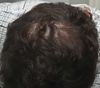
A 40+ year old is regrowing their hairline using microneedling, minoxidil, tretinoin, low-level laser therapy, massages, and Nizoral, without using finasteride or dutasteride. They noted progress in hair growth below a birthmark, an area that hadn't seen growth since their teenage years.
The conversation is about the potential risk of permanent hair loss from PRP (platelet rich plasma) treatments and whether PRF (platelet rich fibrin) carries the same risk. The user is seeking information on this topic.
Stem cell therapy shows promise in treating hair loss by mimicking DHT-resistant cells from the back of the head. Traditional treatments like finasteride are also discussed, but stem cells could potentially offer a more permanent solution.
A user's experience with the hair loss treatment Pyrilutamide KX-826, which has resulted in some side effects and shedding. The conversation also includes advice for baseline pictures and trying treatments for at least 6 months.
The user experienced significant hair shedding after pausing their hair care regimen, which included finasteride, micro-needling, Nizoral shampoo, vitamin D, essential oils, melatonin, caffeine, exercise, and protein intake. They are concerned if the shedding is due to the break in their routine or a normal phase of finasteride use.
The user is experiencing severe hair loss despite using finasteride for 10 months and suspects scalp buildup might be contributing. Suggestions include using ketoconazole shampoo, consulting a dermatologist, and trying terbinafine cream.
The conversation discusses the completion of a Phase II trial recruitment for Breezula (CB-03-01), a potential treatment for androgenic alopecia. Specific treatments mentioned include Minoxidil, Finasteride, and RU58841.
Using a 1mm derma roller every day with nanoxidil is not recommended; it should be used once a week. The user had no initial instructions and used it nightly for two months.
A 25-year-old male is experiencing hair thinning at the hairline and vertex, considering using a dermapen or dermastamp, and seeking advice on whether to continue with natural remedies like onion juice and rosemary oil or start using minoxidil or finasteride. He is also looking for recommendations on microneedling devices.
Considering alternative treatments to hair loss, such as platelet-rich plasma (PRP) and exosome therapy, instead of using medications like minoxidil, finasteride/dutasteride.
The user is experiencing flaking and shedding while using oral finasteride and minoxidil, which might be seborrheic dermatitis. A suggestion was made to try ketoconazole shampoo or cream and consider CBD with MCT oil, as shedding is common when starting these treatments.
The individual is experiencing hair thinning primarily at the front/middle of their scalp and is seeking to identify the type of hair loss they have. They already use treatments like oral Minoxidil, topical Finasteride, Tretinoin gel, dermarolling, and various oils and shampoos.
The user "OP" reported significant hair regrowth using oral finasteride, oral and topical minoxidil, ketoconazole shampoo, and derma stamping. OP experienced initial shedding but no other side effects.
The user is experiencing severe hair loss due to gut malabsorption and is seeking advice on nutrient testing and supplementation. They have low Vitamin D and Ferritin levels and are asking for recommendations on additional nutrients and blood tests to consider.
A user underwent a hair transplant with 3500 grafts at WSC clinic in Istanbul and uses finasteride, biotin, multivitamins, minoxidil with finasteride, biotin shampoo, and coconut oil with peppermint oil for hair loss treatment. Another user commented that the result looks like a barren patch of hair.
Hair loss treatments discussed include Fluridil, Minoxidil, Stem, Niz, Viviscal, Broccoli Sprouts, and Derma. One user claims most treatments are ineffective, while another supports Eucapil.
The conversation discusses the best vehicle for topical dutasteride, comparing Trichosol, Transcutol, and a gel version. It also mentions using Transcutol with ethanol to enhance transdermal delivery of Bimatoprost.
The user is 10 days post-hair transplant, pleased with the results so far, and hopes for increased density. The procedure was done at Vanity Hospital in Istanbul, with around 3400-3750 grafts used.
Exosome hair therapy involves injecting stem cell-derived exosomes into the scalp to boost hair follicle regeneration and repair. Exosomes, which are not stem cells but products of them, contain bioactive chemicals and specific growth factors that promote new blood vessel formation, increase cell proliferation, reduce inflammation, and improve tissue repair, all crucial for hair health.
PP405 is moving to late-stage trials, showing potential for hair regrowth, with 31% of male patients experiencing a 20% increase in hair density. Veradermics is developing an oral minoxidil version, and there is interest in combining treatments for better results.
A user is considering exosome therapy from Springs Rejuvenation for hair loss after unsuccessful attempts with PRP, adipose injections, and a laser cap. They are intrigued by the therapy's potential and the clinic's guarantee of 30% improved coverage, despite concerns about FDA approval and high-pressure sales tactics.
Exosome injections stimulate hair growth by using exosomes' healing potential to awaken dormant hair follicles and promote new hair cell creation. The procedure increases scalp blood circulation, encourages collagen and elastin formation, and regenerates hair follicles, improving hair thickness and quality.
User discusses scalp micropigmentation for denser hair appearance and its benefits compared to lifelong treatments. Special ink is used, which can fade and blur over time but can be topped up.
Ketoconazole shampoo may help with early-stage hair loss by stopping hair regression and promoting new hair growth, though its effectiveness as a DHT blocker is debated. Users report varying results, with some experiencing dryness and others seeing improvement when used 2-3 times a week.