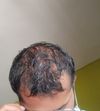
User discusses a promising topical Procyanidin B2 treatment for hair loss. Users share mixed experiences and mention effective treatments like finasteride, minoxidil, and LLLT.
Minoxidil use may worsen seborrheic dermatitis, causing itching and dandruff. Users consider stopping minoxidil or switching to foam to improve scalp condition.
The user has been using a topical solution of minoxidil 5% and finasteride 0.025% daily, along with dermastamping every two weeks and ketoconazole shampoo twice a week for four months. The treatment is for hair loss.
An 18-year-old using 5% minoxidil topically and derma rolling weekly for 1.5 months shows visible hair growth progress. The user also addresses vitamin D deficiency and thyroid imbalance with medication.
User started minoxidil, noticed forehead lines and dark circles, and asked for non-invasive skin aging prevention methods. Another user suggested using tretinoin and hyaluronic acid for long-term benefits.
The user convinced their trichologist to prescribe topical finasteride after using topical estradiol and progesterone for hair maintenance. They also discussed the potential impact of "nofap" on hair loss, noting that abstaining for about four months seemed to reduce shedding.
The conversation is about analyzing receded temple closeups for signs of fibrosis, scarring, or androgenetic alopecia (AGA). Specific treatments like Minoxidil, finasteride, or RU58841 are not mentioned in the conversation.
The user is seeking advice on a hair loss treatment called Ell Cranell, which contains Alfatradiol. Another user shared information from a study stating that Alfatradiol only slows down or stabilizes hair loss, but does not increase hair density or thickness.
The user has been using topical minoxidil and finasteride for four months, along with microneedling and Nizoral, noticing thicker lashes and eyebrows but not much scalp hair growth. They apply the treatment twice daily with a 5% minoxidil and 0.3% finasteride solution.
A user's 3-month progress with a combination of finasteride, minoxidil and dermarolling for hair loss; other users shared their experiences and advice.
A 28-year-old male is happy with his hair regrowth on the crown after using topical Minoxidil 5% and Finasteride 0.25% once daily, micro needling weekly, and Nizoral shampoo once a week. He has experienced no significant side effects, and his hair has become darker and thicker, with improvements in his hairline.
A 44-year-old is using dermarolling, topical minoxidil, and finasteride for hairline concerns, noticing fine hairs after 4 months. Others believe his hairline is already excellent for his age.
Unwanted hair growth from minoxidil use, with suggestions to reduce dosage or switch to finasteride. Users recommend hair removal methods like shaving, waxing, or electrolysis to manage excess facial hair.
Topical minoxidil with tretinoin is causing redness, stinging, and flaking on the scalp. Reducing application frequency and using anti-dandruff shampoo may help alleviate symptoms over time.
Hair looks thinner in sunlight, and users discuss using hair fibers, minoxidil, finasteride, and considering dutasteride for hair loss. Hair fibers like Toppik help conceal thinning, and some users suggest additional treatments like derma stamping and micro-needling.
The user has been using 5% minoxidil once daily and microneedling with a 1.5 mm dermaroller weekly for three months, considering increasing minoxidil usage but avoiding finasteride due to libido concerns. Another person suggests considering other treatments like RU58841, alfatradiol, topical finasteride, clascoterone, or saw palmetto since not using a DHT blocker could be less effective.
Oral minoxidil significantly increases hair growth, including facial hair, in a short period. Some users suggest combining it with finasteride for better long-term results, despite potential side effects.
A 23-year-old is experiencing hair that is thick at the ends but thin at the roots despite using minoxidil and finasteride for 10 months. They are concerned about whether this is normal or a sign of miniaturization and seek advice on reversing or improving the condition.
The user has been using finasteride, minoxidil, retinoid, and occasional microneedling for hair loss with good results. They recently added stemoxydine, which improved their hair further, and suggest trying it, especially in the EU where it's easily available.
The user is considering adding Stemoxydine to their hair loss regimen, as they already use topical finasteride with rosemary and cannot use Minoxidil. They are seeking feedback on Stemoxydine and Alphatradiol, and another user mentions 2-deoxy-d-ribose as a potential option.
The user experienced hair repigmentation and attributes improvements in hair and overall health to a carnivore diet, Boron, and Selenium supplementation. They stopped using finasteride after 20 years, noticed increased testosterone and libido, and observed hair regrowth with RU58841.
The user experienced hair regrowth and thickening using 1mg oral finasteride, 3mg oral minoxidil, biotin, vitamin D, red light therapy, and microneedling. Some shedding occurred around 4-6 weeks into the treatment.
User fought hair loss with Derminator microneedling, topical and oral minoxidil, and a 2000 FUE hair transplant. Derminator was a game changer, preventing further loss.
A 21-year-old male diagnosed with telogen effluvium and male pattern baldness started oral finasteride, which initially slowed hair loss and slightly thickened hair, but experienced increased shedding after surgery. The doctor recommended iron and vitamin D supplements, and the user is seeking additional advice.
The conversation discusses the theory that scalp fibrosis contributes to male pattern baldness (MPB) by increasing DHT concentration, and mentions treatments like Minoxidil. The user seeks opinions on the theory and the effectiveness of scalp massages.
A Swiss product called Redensyl, which is supposed to target hair follicle stem cells and has recently been marketed in Europe. The post inquires if anyone has had any experience with the product.
Hair loss treatments discussed include microneedling, minoxidil, tretinoin, finasteride, dutasteride, pumpkin seeds, saw palmetto, and scalp massage. The consensus is that finasteride or dutasteride is necessary for significant regrowth, while other methods may only slow hair loss.
An 18-year-old is using topical minoxidil 5% and derma rolling weekly for hair regrowth after shaving their head, while also addressing vitamin D deficiency and thyroid imbalance. They are questioning if the changes observed are signs of regrowth.