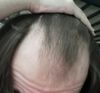
The reduction in scalp oiliness is likely due to finasteride reducing DHT levels and the use of ketoconazole shampoo. The combination of these treatments may have decreased sebum production.
A 26-year-old male shared progress pictures after 4 months of treating hair loss with finasteride (1.25 mg on Mondays, Wednesdays, and Fridays), topical minoxidil twice daily, ketoconazole shampoo twice weekly, and weekly microneedling at 1.5 mm. He is seeing hair growth improvement, especially in the front, and is considering hair grafts for the crown area if necessary for more density.
The user experienced sexual side effects after starting finasteride and later switched to dutasteride, noticing hormonal changes. They are considering using P5P and possibly aromatase inhibitors to manage high prolactin and estradiol levels.
OP experienced diffuse thinning for 11 years and used Minoxidil and Finasteride previously. They now use Pyrilutamide 0.5% and Alfatradiol 0.1%, resulting in significantly reduced hair loss.
Adipose-derived stem cell secretome showed significant improvement in hair density and growth, especially when combined with minoxidil, suggesting a synergistic effect. The study had limitations, including a small sample size and potential bias.
The conversation is about a 25-year-old male's one-year hair loss treatment progress using 0.25mg finasteride daily and 2% ketoconazole shampoo. The user shared progress pictures trying to maintain consistent lighting for comparison.
A user with diffuse thinning shares a tip for improving hair appearance by using a shea butter and coconut oil serum from Trader Joe's at night. They are on finasteride and considering adding minoxidil for better results.
A 19-year-old shared their one-year progress using finasteride for hair loss, despite inconsistent use and poor lifestyle habits. They plan to improve their routine and have noticed thicker beard growth.
Pelage Pharmaceuticals' PP405 aims to treat hair loss by reactivating dormant hair follicle stem cells, showing promising results in early trials. The company plans to present their findings at the American Academy of Dermatology Annual Meeting in 2026.
The user plans to test for DHT, total testosterone, free testosterone, E2, SHBG, and prolactin while supplementing with vitamin D and monitoring ferritin levels. They are experiencing hairline thinning and are seeking advice on whether their approach is excessive or lacking.
The user is experiencing hair fall and is using a nonsulfate Maui Hibiscus shampoo and conditioner, washing twice a week, and applying a warm mixture of castor and olive oil. They seek advice on a proper haircare regime and product recommendations for low porosity hair.
An 18-year-old has been using oral finasteride for 4.5 months to address hair thinning noticed since Fall 2022. They report the back of their head feels thicker, but are unsure if it's due to actual progress or placebo effect.
A user who has been using the "Big 3" hair loss treatments (ketoconazole, minoxidil and finasteride) for 2-3 months and is hoping to see positive results. The other user commented that they look like a hyper responder and asked if they were using oral or topical fin/min.
A female user has experienced severe hair shedding since stopping birth control in late 2022, diagnosed as telogen effluvium with no signs of androgenetic alopecia. Despite healthy living and optimal bloodwork, she continues to shed hair daily but also sees significant regrowth.
A user with diffuse hair loss for a decade tried various treatments, including LLLT Helmet, supplements, topicals, and hair transplants. They found relief from scalp inflammation and itching using a topical solution made from crushed Xeljanz pills mixed with ethyl alcohol.
A 33-year-old male is experiencing thinning at the temples and hairline, with increased shedding over the past year. The user suspects androgenetic alopecia (AGA) despite AI suggesting a maturing hairline.
The user's progress with hair loss treatments, including Fin 1mg daily, Minoxidil once a day and Keto 2% twice a week. Another user commented in response.
The user has been using finasteride for over four years with minimal side effects, successfully stopping hair thinning and achieving some regrowth. They shared progress photos, but some commenters requested clearer pictures of the crown to better assess the treatment's effectiveness.
The user has been using finasteride and minoxidil for nearly three years, maintaining and possibly regrowing hair despite noticing shedding and miniaturized hairs. They are considering adding another treatment due to concerns about ongoing hair loss.
The user experienced hair loss since 2019 and tried finasteride, dutasteride, RU58841, and ketoconazole shampoo without success. A scalp biopsy showed scarring and inflammation from folliculitis, indicating chronic inflammation was affecting treatment effectiveness.
User is experiencing severe hair loss despite using finasteride for 15 months, losing 500 hairs a day and 50% density since June. Minoxidil with needling was ineffective, and RU58841 is too expensive and hard to obtain.
A 20-year-old male has been experiencing hair loss for three years due to a vitamin D deficiency and has seen no improvement after 3.5 months of taking supplements. Another person suggested that if the hair loss follows a pattern, it might be regular baldness rather than due to the deficiency.
A 22.5-year-old male is frustrated with doctors for not taking his diffuse thinning seriously. He has been using finasteride for 2.5 years, avoids topical minoxidil due to dandruff, and is hesitant about oral minoxidil due to weight and injury concerns.
RU58841 worsened hair condition, causing thinning and unusual patterns. The user stopped using it two months ago but hasn't seen recovery, and there's speculation about androgen receptor upregulation.
A 26-year-old has been using finasteride for over two years, initially at 1.25mg daily and later at 5mg weekly, resulting in stable hair condition with some regrowth and minimal side effects. The user reports high libido and a protein and vegetable-heavy diet, with initial watery semen as the only side effect.
A 19-year-old male with hair loss and gynecomastia is considering starting finasteride after trying various treatments like Ketoconazole shampoo and consulting dermatologists. He has chronic telogen effluvium and seborrheic dermatitis, with normal testosterone and thyroid levels but low platelet count.
The user has been experiencing prolonged hair shedding despite using Dutasteride, Minoxidil, and topical Finasteride, with blood tests showing high free testosterone and low SHBG. Suggestions include adjusting Minoxidil dosage, considering topical anti-androgens like RU58841, and addressing metabolic factors to increase SHBG.
The user is experiencing significant hair shedding despite using 1.25mg oral minoxidil and 1mg finasteride daily for a year. They are advised to monitor health factors like vitamin levels and heart health, and consider increasing ferritin levels for optimal hair growth.
PP405, a potential hair loss treatment, is facing delays in releasing Phase 2 results, causing frustration among users who compare it to past failed treatments. Despite skepticism, some remain hopeful about PP405's future, while others discuss alternative treatments like Clascoterone and its expected market release.