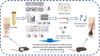
The conversation discusses using hair follicle dermal papilla exosomes for hair loss treatment. It inquires about purchasing options for this treatment.
PRP treatment for hair loss shows some evidence of effectiveness, with HT surgeons using it post-op to promote growth. Microneedling is mentioned as a cheaper alternative.
PP405 is a promising experimental topical treatment for alopecia that reactivates dormant hair follicles by targeting cellular energy, with large-scale trials planned for 2026. While it shows potential, it cannot regenerate permanently destroyed follicles, making hair transplants the only guaranteed solution for advanced baldness currently.
The conversation is about improving scalp appearance by regaining adipose tissue and making the skin look better using scalp massages and a moisturizer with hyaluronic acid, ceramides, and urea. The user is not trying to regrow hair but wants to improve the scalp's thickness and appearance.
A user successfully regrew hair using 1mg Finasteride daily, 5% topical Minoxidil 1-2 times a day, and weekly derma stamping, with no side effects. Others shared their hair loss struggles and interest in these treatments.
A user shared their 4-month progress using a serum with Minoxidil 10%, Progesterone, Azelaic acid, Retinoic acid, Latanoprost, and Hydrocortisone, along with PRP and Fotona laser treatments. They are pleased with the results and plan to continue with more PRP and laser sessions, without using Finasteride.
Japanese scientists discovered ABM cells, enabling successful human hair follicle cloning, potentially curing hair loss. The treatment may be available in Japan by 2028, but it will be expensive and require travel.
A user shares their experience with an FUE hair transplant performed by Dr. Mario Marzola, detailing the procedure, costs, and post-operation care. They report feeling slightly nauseous but satisfied with the results and plan to provide daily updates.
The user experienced significant hair regrowth over 10 months by using 1.5mg oral finasteride and minoxidil daily, along with weekly derma stamping, after a previous hair transplant and initial thinning. The conversation highlights the importance of using DHT blockers post-transplant to maintain results.
Amplifica's new injectable treatment for androgenetic alopecia shows a 15% increase in hair thickness and coarseness in 60 days. The treatment is in early human trials and offers a promising alternative to hormone-related hair loss treatments.
The user has been using finasteride for over a year, which improved their hairline but not the crown area. They are considering alternatives like hair fibers, derma stamping, or possibly minoxidil, while avoiding topicals due to their work environment.
The conversation discusses the potential of Replicel/Shiseido treatment for hair loss, questioning its effectiveness, whether it grows new follicles, and its market release timeline. It also compares Replicel to other competitors like Kyocera/RIKEN/Tsuji.
The conversation discusses potential future hair loss treatments, including SCUBE3, hair follicle cloning, and GT20029, with mentions of past disappointments like CosmeRNA and hopes for treatments like Verteporfin for infinite donor hair.
A 27-year-old male experienced rapid hair loss after dengue fever, which activated a balding gene. The doctor suggested platelet-rich plasma treatment for hair regrowth.
A user discussed their hair transplant progress and mentioned using 1mg Finasteride, 5% Topical Minoxidil, and recently starting 5% RU58841. They are seeking advice on whether to use RU58841 at month 4 post-transplant.
A user shared progress pictures of their FUT hair transplant in Korea, showing results one year post-op. The conversation highlights the density of the hair, the quality of Korean hair treatments, and mentions treatments like Minoxidil, finasteride, and Dutasteride.
A person dealing with hair loss is considering shaving their head, using scalp micropigmentation to cover a FUT scar, or trying a hair system. They are also contemplating treatments like minoxidil, finasteride, and dutasteride.
The conversation discusses patient updates on hair loss treatment with Verteporfin after five months, as reported by Dr. Blake Bloxham. Patients voluntarily sent their progress pictures to Dr. Bloxham.
A user shared progress pictures 7 months after a hair transplant of 4600 grafts at Medart Hair in Istanbul, costing $2850 USD. They are using finasteride, vitamins, Procapil spray, a derma roller, and plan to start minoxidil soon.
Transplanting mice skin to humans is not feasible due to immune rejection, but some suggest genetic modification or immune suppression could make it possible. Xenograft hair transplants are discouraged.
Hair transplants in Bangkok are praised for their natural appearance, with a zigzag hairline design being favored over straight lines. The clinic Hairtran and Dr. Patty receive positive feedback, though some users express skepticism about photo filters and the authenticity of results.
Hair loss treatments like finasteride, minoxidil, and hair transplants have side effects and limitations. There is hope for future advancements in stem cell therapy and hair follicle regeneration, though skepticism about their effectiveness and timeline persists.
The conversation is about the potential of the RCH-01/Replicel hair loss treatment and its lack of updates since 2013, with the user expressing hope for its success and considering using Minoxidil, finasteride, and dermarolling in the meantime. Other treatments mentioned as promising are Breezula and Tsuji.
A user shared their 1.5-year progress after a FUE crown transplant, using dutasteride and oral minoxidil, which improved their hairline and stabilized hair loss. They experienced dizziness from topical minoxidil but had no side effects from finasteride, dutasteride, or oral minoxidil.
Hair transplantation involves a detailed consultation, preparation, and a long-term recovery process with stages like initial shedding and gradual new hair growth over months. Setting realistic expectations is crucial for patient satisfaction.
A hair transplant significantly improved the user's appearance, making them look younger. They consistently use oral finasteride and minoxidil, which may have contributed to the results.
A user shared their experience with a second hair transplant by Dr. Gokhan Gur, focusing on the midscalp and crown with 1849 grafts. Their current treatment includes dutasteride, finasteride, oral and topical minoxidil, and Nizoral shampoo.
A user shared their positive experience with a hair transplant at Moart Clinic, involving approximately 10,000 grafts for a new hairline and crown. The procedure was smooth, with no pain, and the user is very satisfied with the results.
A user purchased an expensive hair loss treatment called Follicopeptide, which many others in the conversation believe to be a scam, suggesting instead the use of proven treatments like minoxidil and finasteride. Some users report positive effects from Follicopeptide, but skepticism remains high due to lack of transparency about its ingredients and the company's credibility.
Fucoidan may help regrow hair and reduce inflammation in androgenetic alopecia. It is unclear if simply mixing fucoidan powder into a serum for application is effective.