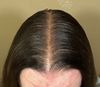
The conversation discusses using hair follicle dermal papilla exosomes for hair loss treatment. It inquires about purchasing options for this treatment.
A 29-year-old is using liposomal topical finasteride/minoxidil and low-level light therapy (LLLT) to improve hair growth, showing significant progress in crown recovery. The user prefers liposomal topicals to avoid side effects from oral finasteride and uses the iRestore Essential device for LLLT.
A user shared a 10-month update on their hair loss treatment, including a hair transplant of 2300 grafts and 7.5 months of using a topical minoxidil/finasteride solution and ketoconazole shampoo. They expressed regret for not starting the medications sooner and reported side effects like heart palpitations, which improved after cutting out caffeine.
A man's successful hair regrowth after using finasteride, minoxidil, microneedling, hair supplements, and scalp massages. He noticed significant improvements and is excited about future progress.
The user shared their three-year progress using finasteride and minoxidil for hair regrowth before undergoing a hair transplant procedure. They plan to continue the medication post-procedure due to its success and did not experience significant side effects.
The user regrets their hair transplant after 5 months due to patchy and thin hair, despite starting finasteride at the same time. Many recommend waiting 12-18 months for results and using finasteride and minoxidil before and after the transplant.
A 33-year-old male is thrilled with his hair transplant results one year post-procedure, having used 1 mg finasteride and 2.5 mg oral minoxidil daily, which significantly improved his hair density. The transplanted hair is expected to be permanent, but continued use of finasteride is recommended to maintain surrounding native hair.
The user tried minoxidil 5% for 3 years with little improvement, then switched to a 15% minoxidil with 0.1% finasteride solution once daily and started using pyrilutamide, resulting in significant hair regrowth over time. They are considering a hair transplant but are continuing with topical treatments to maximize hair growth first.
Transplanting mice skin to humans is not feasible due to immune rejection, but some suggest genetic modification or immune suppression could make it possible. Xenograft hair transplants are discouraged.
A user shared their positive experience and results 10 months after a hair transplant at Mercure Istanbul Clinics, using 3000 grafts. They expressed satisfaction with both the outcome and the clinic's service.
The user shared their 8-month hair transplant results from Cosmedica, involving around 3800 grafts and topical use of Minoxidil and Finasteride since the operation. They discussed the procedure details, cost, and the possibility of a second operation for crown and touch-ups.
Combining microneedling with Low Level Laser Therapy (LLLT) for hair growth, with discussions on device legitimacy and effectiveness. Alternatives like PEMF and the use of oral and topical treatments such as dutasteride, minoxidil, and finasteride are also considered.
Hair fibers are discussed as a temporary solution for hair loss, with users noting they work well if applied correctly but can be messy and time-consuming. Some users also use finasteride for long-term treatment.
A 27-year-old using minoxidil and dutasteride for hair loss has seen significant improvement but is considering a hair transplant for a more defined hairline. Most responses suggest the hair looks good, advise against a transplant, and recommend patience or trying microneedling or tretinoin.
The user is thrilled with their hair transplant results, which involved 4000 grafts and cost £2700 in London. They are using finasteride, minoxidil spray, and a volumizing shampoo, experiencing no side effects and planning to continue the regimen for ongoing hair maintenance.
A user shared their positive experience with a hair transplant at Moart Clinic, involving approximately 10,000 grafts for a new hairline and crown. The procedure was smooth, with no pain, and the user is very satisfied with the results.
Doctors are testing verteporfin topically for healing and potential regeneration after transplants. The user is asking how it is formulated for topical use, such as if it's mixed with a carrier gel.
The user applies Rogaine foam, Toppik hair fibers, and Tresemme mousse to improve hair appearance and has restarted finasteride after a year off. They are considering a hair transplant and are working on self-esteem related to hair loss.
PP405 may induce new hair growth but cannot revive completely dead follicles, and its effectiveness on hairlines is uncertain. It is expected to be available by mid-2028, but users are advised to manage expectations and consider using other treatments like minoxidil and finasteride.
User tried cheap hair fibers from Amazon, significantly improved appearance of thinning hair. Fixing spray recommended to prevent fibers from blowing off.
The user experienced improved self-confidence and hair regrowth using finasteride, minoxidil, and dermarolling. Visible results were noted after about three months, with microneedling done once a week.
A user purchased an expensive hair loss treatment called Follicopeptide, which many others in the conversation believe to be a scam, suggesting instead the use of proven treatments like minoxidil and finasteride. Some users report positive effects from Follicopeptide, but skepticism remains high due to lack of transparency about its ingredients and the company's credibility.
A user shared their positive hair transplant results after 19 months without using finasteride or minoxidil, only vitamins. Some responses suggest concern over future hair loss without prevention treatments, while others congratulate or express jealousy.
A 22-year-old has been using minoxidil and finasteride for four years with limited success and recently added microneedling to their regimen. They have seen some hair regrowth and are advised to continue using minoxidil alongside microneedling and consider lifestyle factors like diet and stress.
The post discusses a theory that hair regrowth after transplant is due to the angiogenesis process (new blood vessels forming), not because the transplanted hair is unaffected by DHT. The responses highlight the established belief in 'donor dominance' (the importance of the hair's origin in transplantation) and skepticism about the new theory.
Minoxidil may not be effective due to low sulfotransferase activity, and the user considers adding tretinoin to the regimen. They are unsure about the timing and combination with microneedling.
A 24-year-old male is considering the "Big 4" treatments (Finasteride, Minoxidil, Ketoconazole shampoo, and Microneedling) or a hair transplant for hair loss. Most users recommend starting with Finasteride and Minoxidil to stabilize hair loss before considering a transplant.