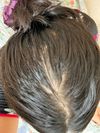
A 23-year-old male is experiencing diffuse hair loss and miniaturization, possibly due to high IGE levels after using tofacitinib. He seeks advice and has not yet consulted a dermatologist.
The conversation discusses hair loss and bloodwork results, focusing on zinc, vitamin D, and ferritin levels. The user is experiencing telogen effluvium after surgery and seeks advice on supplementation.
A 34-year-old woman has been using a topical solution of 5% Minoxidil and 0.1% Finasteride since January 2026 to address hair thinning caused by PCOS and poor nutrition. She reports ongoing hair shedding but has improved her diet with whole foods and supplements.
A 19-year-old is experiencing hair thinning and recession above the temples, causing stress and consideration of starting finasteride despite financial constraints. They are unsure whether to begin treatment immediately or wait to assess the situation further.
The user is taking 2.5 mg dutasteride and 5% minoxidil but is not seeing hair regrowth, and is considering adding RU58841. They are experiencing fatigue and low MCV/MCH, possibly related to dutasteride, and are advised to be patient, consider microneedling, and check for iron deficiency.
Alfatradiol (0.025%) is an effective and safe treatment for androgenetic alopecia in both men and women, increasing anagen hair rates with minimal side effects. Users discuss its cost-effectiveness and ease of use compared to other treatments like finasteride and RU58841, with some combining it with stemoxydine and Minoxidil.
A user shared a 3-month hair loss treatment progress using 0.5mg finasteride every other day, Naz shampoo twice weekly, and daily vitamin D and omega 3, without using minoxidil or dermarolling due to scalp sensitivity. Commenters noted the significant results from a low dose of finasteride and questioned the role of vitamins in the treatment.
The user stopped taking oral finasteride due to side effects like brain fog and worsened varicocele but continued using topical minoxidil. They are considering using a lower dose of oral finasteride or making a topical version to manage hair loss without severe side effects.
Finasteride is effective for DHT/AR-driven hair loss but not for chromosome 20-driven cases, where treatments like minoxidil, prostaglandin analogs, and low-level laser therapy may be more beneficial. Genetic testing can help determine the underlying cause of hair loss to tailor treatment effectively.
The user is experiencing sudden hair loss and is considering micro-needling, low-level light therapy, iron supplements, folihair, and Omega 3. They are hesitant to start finasteride, suspecting the hair loss might be due to telogen effluvium from a past COVID-19 infection.
A 29-year-old female is experiencing severe hair loss and bald patches, seeking advice on shampoos, conditioners, hair masks, or topical medications. A user suggests starting an oral supplement.
Scalp biopsies are crucial for diagnosing hair loss conditions like Diffuse Unpatterned Alopecia (DUPA) and retrograde hair loss, as treatments like finasteride and dutasteride may not be effective if other conditions are present. Combining PPAR-GAMMA agonists with retinoids could improve treatments for conditions like Lichen Planopilaris.
The user has been using oral finasteride for 15 months and oral minoxidil for 6 months, and developed alopecia areata, for which a dermatologist prescribed calcipotriol/betamethasone. The treatment is helping, but the user is experiencing another shedding phase and is concerned about the effects of the steroid cream and the cause of hair loss.
User is experiencing increased sebum, dandruff, and acne after taking a supplement containing biotin, iron, zinc, and calcium pantothenate along with finasteride. They are questioning if biotin is the cause and whether they should stop taking it.
A 21-year-old female shared her 4-month hair growth progress using Minoxidil 5%, finasteride 1mg, Theradome LLLT, Viviscal vitamins, and PRP treatments twice. Commenters praised her progress and discussed other treatments like microneedling, but she noted her dermatologist advised against it due to potential scalp damage.
N-Acetyl-Cysteine (NAC) was found to improve hair parameters in men with early-onset androgenetic alopecia, showing increased terminal hair count and decreased vellus hair count, with good tolerability. NAC, used alone or with minoxidil, may help due to its antioxidant properties, though its effectiveness can vary among individuals.
The user reported progress in hair regrowth after three months of using oral finasteride and minoxidil foam, despite initial doubts. They noted no side effects, a clean diet, regular weightlifting, and additional supplements.
A 25-year-old experiencing hair thinning all over the body and head, despite using minoxidil and having low vitamin D levels, is advised to seek a second opinion from a dermatologist specializing in hair loss. The likely diagnosis is diffuse alopecia areata, which may require treatment with a JAK inhibitor.
A 31-year-old has been using finasteride, dutasteride, and oral minoxidil for hair loss. They noticed a sudden triangular thinning patch on their scalp and are seeking advice, questioning if it could be medication-related.
Hair loss treatments include finasteride and spironolactone. Low vitamin D levels may contribute to hair loss, and normalizing levels could potentially help regrowth.
Minoxidil may not be effective due to low sulfotransferase activity, and the user considers adding tretinoin to the regimen. They are unsure about the timing and combination with microneedling.
The conversation discusses the potential benefits and risks of using Methionine and Glycine for hair loss, with concerns about cancer risk if not balanced properly. The user seeks opinions on these amino acids for hair health and overall benefits.
Hair loss due to low Vitamin D levels improved significantly after taking 4000UI Vitamin D capsules and vitamin B supplements. The user noticed a reduction in hair shedding within a week.
The user experienced significant hair shedding in the second month of using finasteride, leading them to buzz their hair. They plan to improve their diet, sleep, and stress levels, and start using Nizoral for scalp issues.
A 19-year-old was advised by their primary care provider to take biotin for hair loss instead of minoxidil or finasteride due to potential side effects and age concerns. The user is considering seeking a second opinion from a dermatologist.
A doctor recommended Follivera as a minoxidil alternative, but users are skeptical, suggesting minoxidil, finasteride, or dutasteride for hair loss. Some users mention adenosine and piroctone olamine as potentially helpful ingredients.
User experienced hair growth with finasteride and minoxidil, but after using tretinoin, faced aggressive thinning and hair loss. They plan to stop tretinoin for two months to see if the problem improves.
The conversation discusses using Minoxidil with Tretinoin and Fexofenadine for hair loss. Some users doubt its effectiveness, noting Fexofenadine's unproven results for androgenetic alopecia.