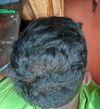
The user is concerned about patchy hair regrowth after 5.5 months of treatment. They are questioning if more hair growth can be expected in the upcoming months.
The user is experiencing sudden hair loss and is considering micro-needling, low-level light therapy, iron supplements, folihair, and Omega 3. They are hesitant to start finasteride, suspecting the hair loss might be due to telogen effluvium from a past COVID-19 infection.
The user experienced significant hair regrowth using topical Minoxidil and Finasteride, along with Saw Palmetto and volumizing shampoo. They are considering a hair transplant in the future if needed.
An 18-year-old experiencing diffuse hair thinning since 8th grade seeks advice. They are concerned about having less hair than their 52-year-old father and are looking for treatment options.
A 21-year-old with a family history of early balding is advised to see a dermatologist to confirm androgenetic alopecia (AGA) and consider treatments like finasteride or dutasteride to prevent further hair loss, and minoxidil, possibly with tretinoin, to regrow hair. Caution is advised with oral minoxidil, and a cardiologist should be consulted before use.
Hair loss was triggered by a testosterone and Masteron cycle, causing scalp tension and shedding. Topical finasteride, RU58841, and oral minoxidil were used to stop shedding and improve scalp condition.
A 20-year-old is concerned about hairline changes and wonders if it's maturing or male pattern baldness (MPB). Suggestions include consulting a specialist and considering treatments like finasteride or minoxidil.
The user is unhappy with the results of a FUT hair transplant from 2021, noting uneven hair texture and persistent thinning. They are considering a FUE procedure and have been using finasteride for a year, previously used minoxidil, and currently use Toppik for concealment.
How androgens, including testosterone, can cause hair follicles to miniaturize in people with sensitivity to androgens, and treatments such as finasteride, dutasteride, minoxidil, RU58841, or fluridil may be used in combination for long-term treatment.
CB-03-01 is a topical anti-androgen with low absorption, offering potential as a side-effect-free alternative to Finasteride/Dutasteride for hair loss. It's in stage 2 clinical trials for acne and showing promise for male pattern baldness.
The conversation discusses coping with hair loss and the emotional impact of balding, with some users finding peace in shaving their heads. Treatments mentioned include minoxidil, finasteride, and lifestyle changes like diet and exercise.
RepliCel has purchased Trichoscience, and they have a video about hair multiplication. The conversation also mentions treatments like Minoxidil, finasteride, and RU58841.
The conclusion of the conversation is that the user "Shakalakaplaka" shares their comprehensive hair loss regimen, which includes various treatments targeting different pathways such as DHT, inflammation, fibrosis, immune system, testosterone, gut problems, and scalp health. The effectiveness of the regimen is not confirmed, and some users express skepticism or request before and after pictures for credibility.
The conversation discusses using a multimodal approach to treat androgenic alopecia, including substances like gamma-linolenic acid, DHA, sulforaphane, melatonin, cetirizine, astaxanthin, fisetin, apigenin, curcumin, limonene, genistein, and berberine. Users also mention using ketoconazole, minoxidil, and low-level laser therapy (LLLT) as part of their hair loss treatment regimens.
The user regained hair using a routine including Nizoral shampoo, 0.5mg finasteride daily, topical minoxidil at night, and microneedling every two weeks. They switched from topical to oral finasteride to save money.
Some hair loss may be linked to chromosome 20, which isn't affected by DHT blockers like finasteride. Treatments like minoxidil, microneedling, and genetic testing are suggested, but their effectiveness for this type of hair loss is uncertain.
The conversation discusses hair loss treatments, including microneedling, Nizoral, LLLT, Minoxidil, and Finasteride. The user experienced initial shedding reduction with Nizoral and LLLT, but shedding resumed with Minoxidil and Finasteride, which is considered a normal part of the treatment process.
User noticed receding temples, used minoxidil and microneedling with positive results. Added saw palmetto and eucapil, experienced shedding and thinner hairline, but no side effects.
A 36-year-old is concerned about early hairline recession despite no family history of hair loss. They are considering treatments like finasteride, minoxidil, and ketoconazole shampoo but are worried about potential side effects and are seeking natural alternatives.
A user shared their 5-month hair loss treatment progress using 1mg finasteride, topical minoxidil, biotin, Nizoral shampoo, and weekly dermarolling. Replies noted the user's hair was already thick, and there was interest in trying topical minoxidil.
A 19-year-old experiencing early hair loss started using finasteride to address diffuse thinning, despite concerns about potential side effects. They also use T/Gel and OGX Thick and Full shampoo, and have a dermatologist appointment scheduled to explore possible allergies.
A 20-year-old is experiencing hair thinning and is considering Clascoterone and Minoxidil as treatments, avoiding finasteride due to concerns about fertility and hormones. A suggestion was made to use Clascoterone for local DHT targeting and combine it with Minoxidil for maintenance and regrowth while avoiding systemic side effects.
Body hair transplants can be a last resort for hair loss, using body hair to fill scalp gaps, though it may not match scalp hair in texture or length. Minoxidil and finasteride are discussed as treatments, with varying effectiveness and side effects.
The post and conversation are about the role of the enzyme 3alpha-hydroxysteroid reductase in hair loss and the potential of compounds like procyanidin B2 and sulforaphane to boost its activity for hair regrowth. Further research is needed to develop effective treatments based on this theory.
Dihydrotestosterone (DHT) impacts various skin conditions, including Androgenetic alopecia and seborrheic dermatitis, by causing overactivity in sebaceous glands. Topical medications Tacrolimus and Clobetasol can reduce these inflammatory conditions, and treatments like RU58841, Minoxidil, and Finasteride may also be beneficial.
A user shared their hair loss treatment routine, which includes oral and topical Minoxidil, dermarolling, Keto shampoo, multivitamins, Biotin, oils, protein intake, and water. Another user suggested adding finasteride and continuing the routine for 6-12 months.
Scalp Botox may help hair loss by relaxing muscles and increasing blood flow, potentially benefiting conditions other than androgenetic alopecia. DHT affects hair follicles differently, causing tension and hair loss in some areas but not others.
Despite using treatments like Dutasteride, Minoxidil, RU58841, and GHK-Cu injections, the individual continues to experience aggressive hair thinning and is seeking a specialist for further help. Suggestions include trying finasteride, dermarolling, or another hair transplant.
The conversation is about experimenting with topical exosomes for hair loss treatment, alongside microneedling, Happy Head's gel-like topical, and Ordinary's hair serum. The user also mentions the availability of treatments like latanoprost and Redensyl.